
Ghoriba Bahla Recipe: Traditional Moroccan Shortbread Cookies
Learn how to make Moroccan Ghoriba Bahla with sesame seeds, almonds and the delicate crackled tops that give these classic Moroccan shortbread cookies their distinctive character.
This Ghoriba Bahla Recipe shows you how to make traditional Moroccan shortbread-style cookies with a crumbly, delicate texture and distinctive cracks across the top.
Butter and vegetable oil create the short texture, while toasted sesame seeds, almonds and vanilla sugar give the cookies their characteristic nutty flavor.
The most important part of this Ghoriba Bahla Recipe is understanding the dough. It is intentionally drier and more crumbly than ordinary cookie dough and needs enough mixing or kneading to hold together when compressed.
The cracks are not a mistake. They are one of the defining visual characteristics of Moroccan Ghoriba Bahla. Getting the dough consistency right, shaping it carefully and following the baking method are what turn a simple shortbread mixture into recognizable Moroccan cookies.
The dough should be relatively dry and crumbly but still compress into a ball when squeezed. Long, gentle mixing helps the ingredients come together without turning the dough into an ordinary soft cookie dough.
Ghoriba Bahla Recipe: What Makes These Cookies Different?
Ghoriba is a name associated with several styles of Moroccan cookies. Ghoriba Bahla is the shortbread-like version recognized by its delicate, crumbly texture and characteristic cracked surface.
The cookies are shaped individually into small balls and then flattened into discs before baking. Sesame seeds and almonds give this version additional flavor and texture, while the rich dough provides the recognizable shortbread character.
Traditional preparation can use a specially shaped ghoriba baking pan. The molded pan helps create the characteristic underside of the cookie, although a regular baking sheet lined with parchment paper can also be used.
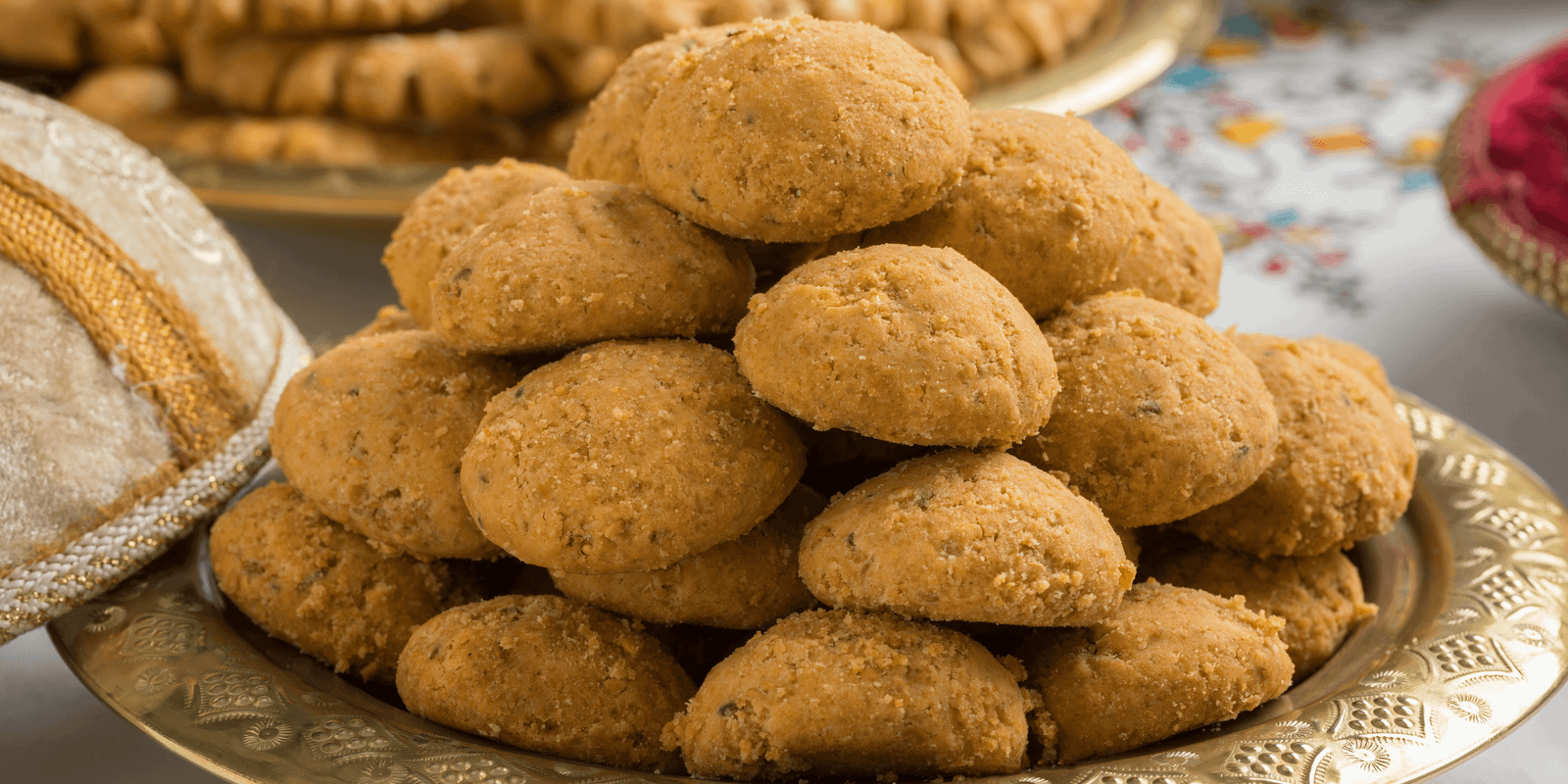
Moroccan Ghoriba Bahla are crumbly shortbread-style cookies traditionally associated with Morocco’s pastry and tea culture.
Why Does a Ghoriba Bahla Recipe Create Cracked Tops?
The crackled top is one of the most recognizable details of Ghoriba Bahla. Unlike a cookie where cracking might suggest a baking problem, here the fissures are part of the appearance you are trying to create.
The dough therefore needs a particular consistency. It should feel dry and crumbly, yet a portion should still hold together when compressed firmly in your hand.

The cracked surface is one of the characteristic features of properly prepared Ghoriba Bahla.
Ghoriba Bahla Recipe Ingredients
Measure the ingredients before beginning so you can concentrate on developing the correct dough consistency.
Ingredient Notes for This Ghoriba Bahla Recipe
Small details in ingredient preparation can make this Ghoriba Bahla Recipe easier to mix and help maintain the intended crumbly texture.
Toast the sesame seeds before mixing them into the dough and allow them to cool completely.
Blanch and fry the almonds first, then grind them coarsely rather than turning them into a fine almond flour.
Use softened unsalted butter so it combines evenly with the sugar and vegetable oil.
Add part of the flour first, then work in the remainder while watching the consistency of the dough.
Oil contributes to the short texture and can also be used in a small additional amount if the dough remains too dry to form a ball.
Mix it carefully through the flour so the leavening is distributed throughout the dough.
Prepare the Sesame Seeds and Almonds
Toast the Sesame Seeds
Spread the sesame seeds in a single layer and toast them in a 400°F / 200°C oven for about 10 minutes. Remove them from the oven and let them cool completely.
Prepare the Almonds
Blanch and fry the almonds, then allow them to cool before grinding them coarsely. The goal is to retain some nutty texture rather than creating a completely smooth powder.
How to Make Ghoriba Bahla Recipe Dough
The dough stage is where the Ghoriba Bahla Recipe differs most clearly from many conventional cookie recipes. Do not expect the mixture to become soft or sticky.
Mix the Sugar, Butter and Oil
Place the sugar, softened unsalted butter and vegetable oil in a large mixing bowl. Combine them until the mixture is evenly blended.
Add Sesame, Almonds and Vanilla Sugar
Stir in the cooled toasted sesame seeds, coarsely ground almonds and vanilla sugar. Make sure the additions are distributed evenly throughout the butter and oil mixture.
Add the Flour and Baking Powder
Add approximately half of the flour together with the baking powder. Once incorporated, gradually work in enough of the remaining flour to produce a dry, crumbly mixture.
Mix or Knead Thoroughly
With a stand mixer fitted with the paddle attachment, mix on the lowest speed for about 10 minutes. If working by hand, knead the mixture for approximately 20 minutes.
Is Your Dough Too Dry or Too Moist?
Add a small amount of flour and continue mixing until the dough returns to the intended dry, crumbly consistency.
Add one or two tablespoons of vegetable oil if the mixture cannot be compressed easily into a ball.
After an adjustment, allow enough mixing time for the new flour or oil to become fully distributed.
Squeeze a small portion. If it holds together while still feeling short and crumbly, you are close to the intended texture.
How to Shape Ghoriba Bahla
Take a Portion of Dough
Squeeze the dough firmly in your hand so the crumbs compress together and can be shaped.
Form a Small Ball
Shape the portion into a ball approximately 1 1/2 inches or 3.5 centimeters across.

Compress each portion firmly enough to hold together before gently shaping and flattening the cookie.
Flatten Into a Disc
Gently flatten the ball in your palm to create a smooth disc. Correct any major cracks around the outer edge before placing the cookie on the baking surface.
Place on the Pan
Gently press each cookie onto a traditional molded ghoriba pan, or arrange the discs on a regular baking sheet lined with parchment paper. Repeat with the remaining dough.
How to Bake This Ghoriba Bahla Recipe
The baking method is an important part of this Ghoriba Bahla Recipe. Preheat the oven to 338°F / 170°C. If you are using a regular baking sheet, line it with parchment paper. A traditional ghoriba mold does not need to be greased.
Start on the Lowest Rack
Place the oven rack in its lowest position and turn on the broiler. Bake the cookies for approximately 5 to 6 minutes.
Turn Off the Broiler
After the initial baking period, turn off the broiler and move the cookies to the upper third of the oven.
Continue Baking
Continue baking for approximately 15 minutes, or until the cookies are lightly colored and the tops have developed the characteristic cracked appearance.
Let the Cookies Cool Properly
Remove the Ghoriba Bahla from the oven and leave them on the pan for a few minutes before moving them.
Freshly baked shortbread-style cookies can be delicate, so allowing them to settle briefly helps prevent unnecessary breakage.
Transfer the cookies to a cooling rack and allow them to cool completely before placing them in a storage container.
Ghoriba Bahla Recipe Troubleshooting
If your first batch does not look exactly as expected, use this table to identify the most likely issue before changing the Ghoriba Bahla Recipe itself.
| Problem | What to Check | What to Do |
|---|---|---|
| Dough will not hold together | It may be excessively dry | Add 1–2 tablespoons of oil and mix thoroughly |
| Dough feels too soft | It may contain too much moisture | Add a little flour and continue mixing |
| Ingredients seem uneven | Dough may need more mixing | Continue kneading or mixing at low speed |
| Cookies break while moving | They may still be too hot | Let them rest on the baking pan for several minutes |
| No characteristic crackled top | Review dough texture and baking process | Avoid turning the dough into an overly soft mixture |
Do You Need a Special Ghoriba Pan?
No. You can prepare this recipe on a conventional baking sheet lined with parchment paper.
A traditional shaped ghoriba baking pan is associated with the characteristic concave underside of the cookies, but it is not necessary for making Ghoriba Bahla at home.
If using an ordinary pan, concentrate on dough texture, consistent shaping and careful baking rather than trying to reproduce the exact underside created by a specialized mold.
How to Store Ghoriba Bahla
Once your Ghoriba Bahla Recipe is completely baked, allow the cookies to cool fully before storing them.
Place them in an airtight container and separate layers with waxed paper or another suitable food-safe separator if necessary.
Avoid trapping heat inside the container. Packing shortbread cookies while they are still warm can affect their texture and create unwanted moisture.
Ghoriba in Moroccan Pastry Traditions
Moroccan cuisine includes a wide range of pastries and sweets served with tea and during family gatherings and celebrations. Ghoriba is one of the pastries associated with Moroccan food traditions.
For more background on Moroccan food and pastry traditions, visit the Moroccan National Tourist Office gastronomy guide →
If you enjoy this Ghoriba Bahla Recipe, continue with our Moroccan Cuisine Guide → to discover more of the country’s food traditions.
Continue Exploring Moroccan Desserts
Ghoriba Bahla Recipe: Frequently Asked Questions
What is Ghoriba Bahla?
Ghoriba Bahla is a Moroccan shortbread-style cookie known for its tender, crumbly texture and characteristic cracked surface. This recipe includes toasted sesame seeds and almonds.
Why does Ghoriba Bahla have cracks on top?
The crackled surface is a characteristic feature of Ghoriba Bahla rather than a defect. The dough texture and baking process help create its distinctive cracked appearance.
Should Ghoriba Bahla dough be crumbly?
Yes. The dough should be relatively dry and crumbly while still holding together when a portion is firmly compressed into a ball.
What should I do if Ghoriba Bahla dough is too dry?
If the dough is too dry to form a ball easily, add one or two tablespoons of vegetable oil and continue mixing until the oil is fully incorporated.
What should I do if the dough is too moist?
Add a small amount of flour and continue mixing until the dough returns to a dry, crumbly consistency that can still be compressed.
How long should I mix Ghoriba Bahla dough?
Mix the dough for about 10 minutes on the lowest speed with a stand mixer and paddle attachment, or knead it by hand for approximately 20 minutes.
Do I need a traditional Ghoriba baking pan?
No. A traditional molded Ghoriba pan can create the characteristic underside, but a regular baking sheet lined with parchment paper can also be used.
What temperature do you bake Ghoriba Bahla at?
This recipe uses an oven temperature of 338°F / 170°C and begins with a short broiler stage before the cookies are moved to the upper third of the oven to finish baking.
How large should Ghoriba Bahla cookies be?
Shape each portion into a ball approximately 1 1/2 inches or 3.5 centimeters across before gently flattening it into a disc.
How do I store Ghoriba Bahla?
Allow the cookies to cool completely and store them in an airtight container. Separate layers if needed to protect the delicate shortbread cookies.
Can I make Ghoriba Bahla with sesame seeds and almonds?
Yes. This Ghoriba Bahla Recipe uses both toasted sesame seeds and almonds, giving the cookies additional nutty flavor and texture.
Why should the almonds be ground coarsely?
Coarsely grinding the prepared almonds allows some nut texture to remain in the cookie instead of turning the almonds into a completely fine powder.
Master This Ghoriba Bahla Recipe at Home
The key to a successful Ghoriba Bahla Recipe is understanding that the dough behaves differently from a conventional soft cookie dough.
Give the ingredients enough mixing time, make small adjustments only when necessary, compress the dough carefully and watch the cookies closely as they bake.
When the tops emerge lightly colored and beautifully crackled, you have achieved the detail that makes this traditional Moroccan shortbread cookie immediately recognizable.
Discover Moroccan Food During Your Journey
Moroccan cuisine is best understood as part of the travel experience. Explore medinas, local food traditions and the places behind Morocco’s distinctive flavors on a private journey designed around your interests.
PLAN MY MOROCCO TRIP VIEW MOROCCO ITINERARIES