Morocco Travel for Women: 15 Essential Tips for 2027
Morocco Travel for Women can be colorful, rewarding and varied, from walking through historic medinas and staying in traditional riads to crossing the Atlas Mountains and experiencing the Sahara.
Women planning a first trip often have practical questions before they arrive: What should I wear? Do I need to cover my hair? Can I explore alone? How should I handle unwanted attention? Are taxis easy to use? What changes when walking through a medina after dark?
Morocco Travel for Women becomes much easier when you understand local customs, plan transportation in advance and know what to expect in busy medinas, hotels, taxis and rural areas.
This guide focuses specifically on women traveling in Morocco, including clothing, solo female travel, transportation, Marrakech, Fes, Chefchaouen, Sahara journeys, photography, shopping, accommodation and cultural etiquette.
Morocco Travel for Women is easier to plan when clothing, transportation, accommodation and cultural expectations are considered together rather than as separate concerns.
The most useful approach is to combine cultural awareness with normal travel habits: know where you are going, keep your belongings secure, choose transportation clearly, respect personal boundaries and adapt your clothing to the setting.
Morocco Travel for Women: What to Expect
Morocco combines modern cities, traditional neighborhoods, tourism centers, smaller towns, mountains and remote desert landscapes. A woman’s experience can therefore change considerably from one destination to another.
Instead of trying to follow one rigid set of rules everywhere, consider the context. Clothing that feels completely ordinary at a resort may attract more attention in a traditional village. A busy Marrakech square after dinner is different from an empty residential lane late at night.
Good planning for Morocco Travel for Women means recognizing these differences without allowing them to make the journey feel restrictive.
| Situation | What You May Encounter | Practical Approach |
|---|---|---|
| Busy Medinas | Crowds and frequent interaction | Know your route and keep valuables secure |
| Clothing | Different local norms | Choose comfortable, relatively modest clothes |
| Unwanted Comments | Occasional persistent attention | Keep moving and avoid prolonged engagement |
| Taxis | Fare or route uncertainty | Confirm the meter or fare first |
| Night Walking | Quiet or unfamiliar lanes | Stay on active, well-lit routes |
| Photography | Some people prefer privacy | Ask before taking portraits |
| Souks | Persistent sellers or unsolicited help | Be polite, clear and comfortable saying no |
| Sahara | Long distances and remote logistics | Arrange transport and accommodation ahead |
What Should Women Wear in Morocco?
Female tourists do not need to dress exactly like Moroccan women. The practical approach is to choose clothing that is comfortable for walking, suitable for the weather and reasonably respectful of the setting.
Lightweight trousers, longer skirts or dresses, loose shirts and breathable tops work well for many visitors. In hot weather, loose clothing can also feel more comfortable because it provides airflow and protection from strong sun.
Clothing expectations depend on context. A resort pool, Atlantic beach, Marrakech restaurant, rural village and religious site are not identical environments.
For Morocco Travel for Women, versatile clothing is usually more useful than packing according to one strict dress rule.
Do Women Need to Cover Their Hair in Morocco?
Female tourists generally do not need to cover their hair during ordinary sightseeing in Morocco.
A lightweight scarf is still useful. It can provide protection from sun, wind or dust, add warmth on a cool evening and provide additional coverage when you personally want it.
At religious or culturally significant locations, follow the specific rules at that site or guidance provided locally.
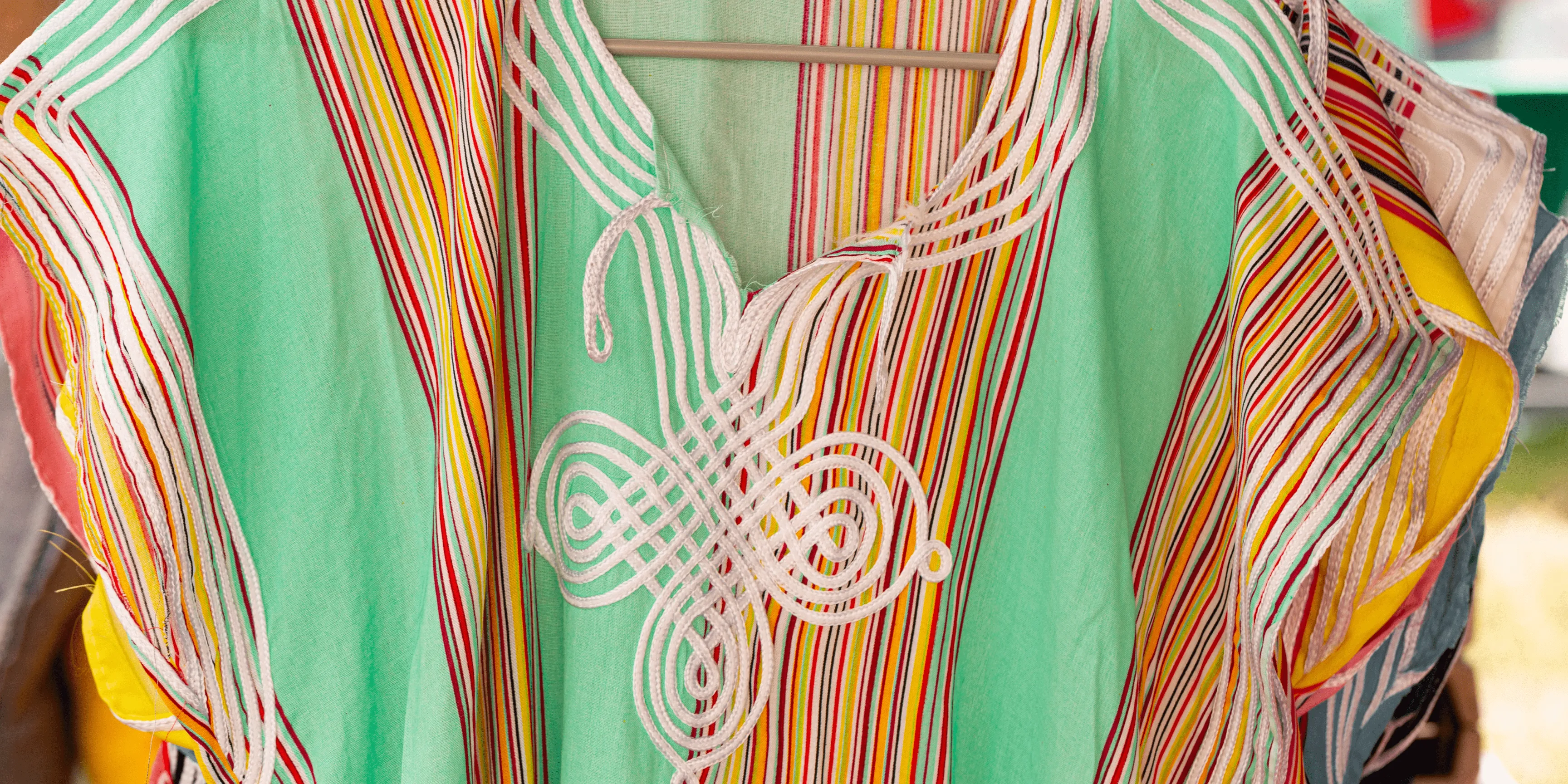
Dress expectations can change with the setting, so adapt to the location rather than following one rigid rule everywhere.
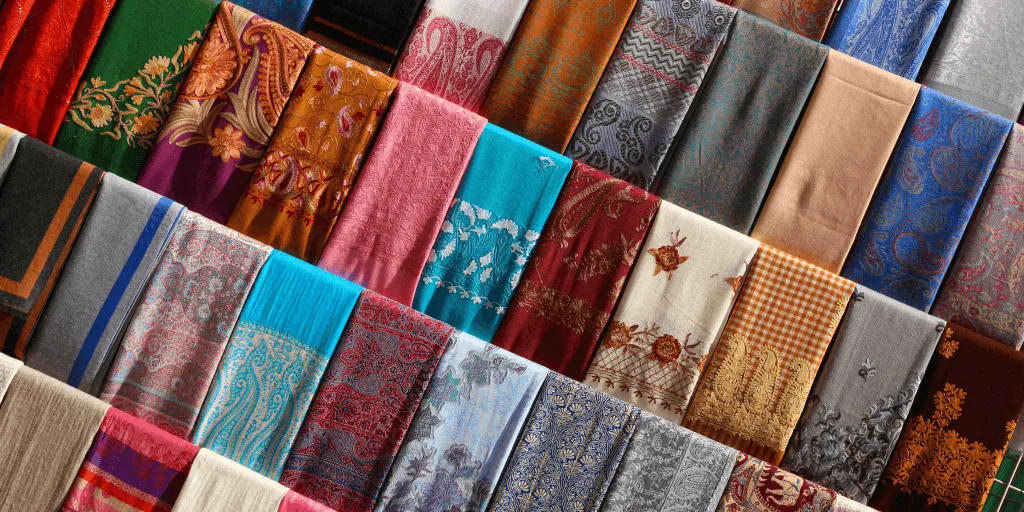
A scarf can be useful for sun, dust, wind, cool evenings and situations where you prefer additional coverage.
Handling Unwanted Attention
Some women travelers may experience comments, conversation attempts or persistent attention, particularly in busy visitor areas.
You are not required to answer personal questions, explain where you are staying or continue a conversation simply because someone approaches you.
A brief response—or no response—followed by continuing on your way is often enough. If an interaction becomes uncomfortable, move toward a café, hotel, restaurant, established shop or another populated place.
Looking as though you know where you are going can also reduce unnecessary interaction. Check the route before leaving your riad and save the destination on your phone.
Walking Around Morocco at Night
Sunset does not mean women need to return immediately to their accommodation. Moroccan cities can remain lively after dark, and evening is part of the travel experience in destinations such as Marrakech.
The useful distinction is between active evening areas and isolated streets. Restaurants, central squares and well-used pedestrian routes may remain crowded, while smaller residential lanes can become quiet quickly.
When traveling alone, choose active routes and arrange transportation if returning to your accommodation would require a long walk through an unfamiliar or very quiet area.
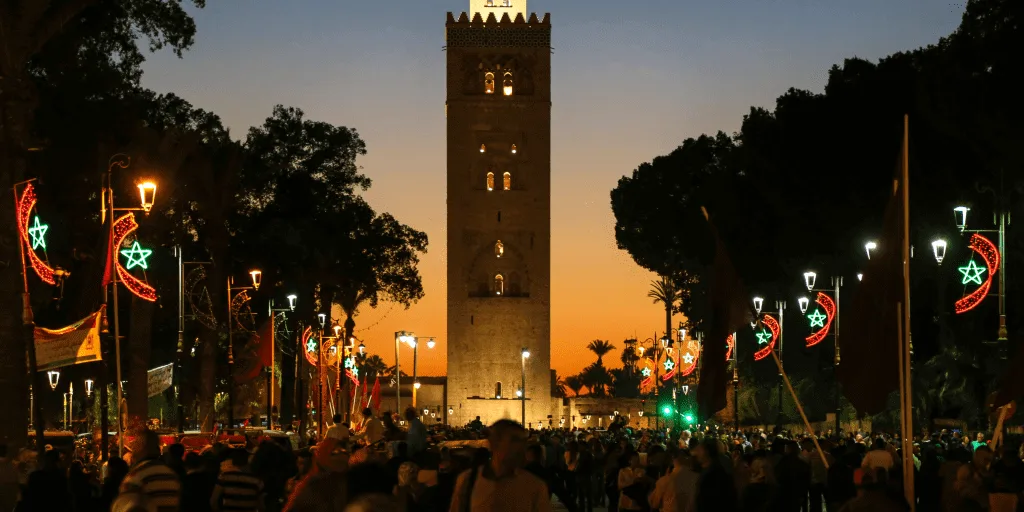
Evening can be one of the liveliest times in Moroccan cities; focus on the route and surroundings rather than avoiding nighttime completely.
Solo Female Travel Morocco: Planning With Confidence
Solo female travel in Morocco gives you complete control over your schedule, but navigation, transportation and everyday problem solving become your responsibility.
Save your accommodation address, maintain reliable phone access and download useful map areas before exploring.
If you become confused inside a medina, stop and orient yourself rather than automatically following the first person who offers assistance.
Asking for directions inside a riad, restaurant or established shop can be easier than responding to unsolicited street assistance.
For many first-time visitors, Morocco Travel for Women is less about following strict rules and more about good preparation, confident navigation and understanding the local setting.
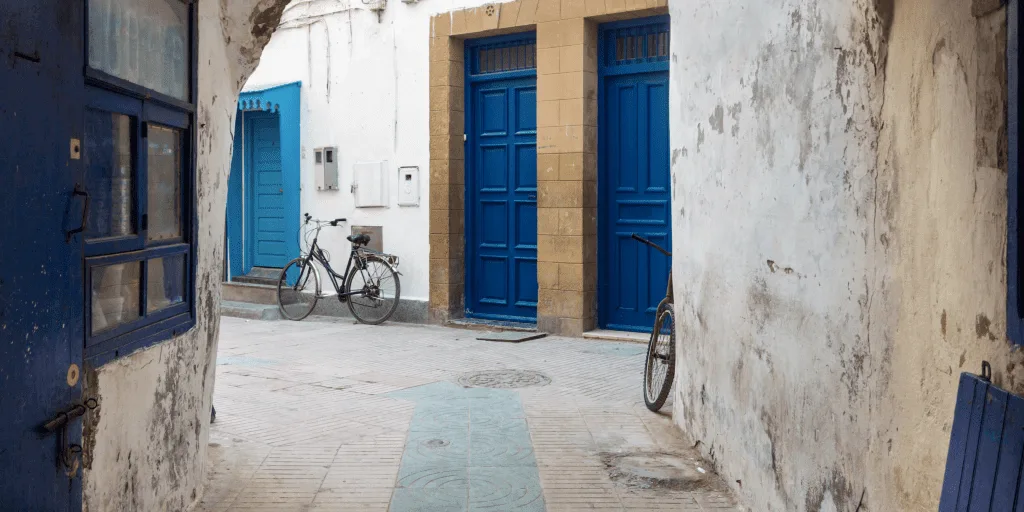
Save your accommodation location and identify an easy landmark near your riad before exploring a complicated medina.
Taxis, Trains & Transportation for Women
Transportation options in Morocco include local taxis, trams, trains, buses and private vehicles.
With taxis, establish how the fare will be handled at the beginning of the journey. When a meter is normally used, confirm it. Otherwise, clarify the expected fare before departure.
On trains and public transportation, keep your handbag, wallet and phone where you can control them, especially while boarding or moving through crowded stations.
Travelers visiting several cities may prefer pre-arranged transportation because it reduces the number of transfers and logistical decisions required along the route.
Transportation is an important part of Morocco Travel for Women, especially when an itinerary includes several cities and long-distance routes.
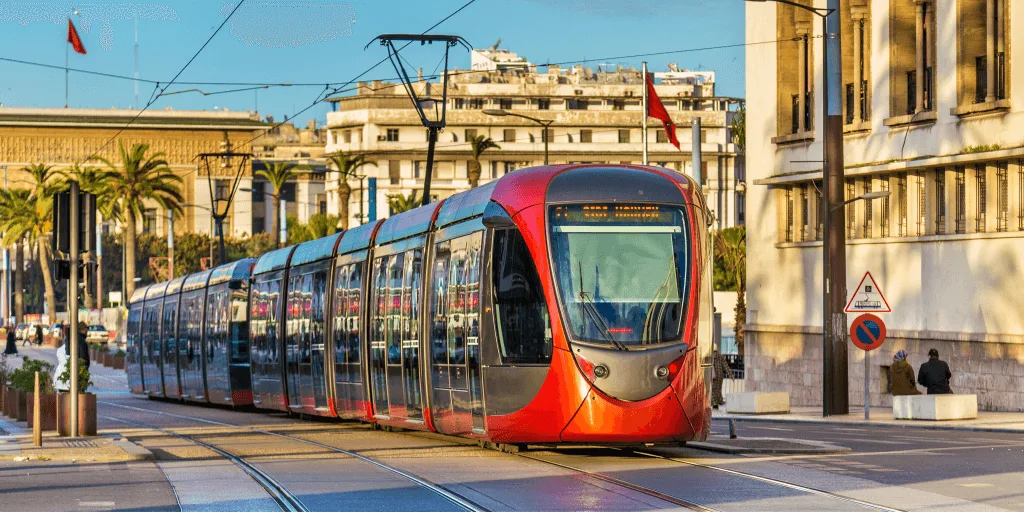
Choose transportation according to the city and distance rather than expecting one option to work for every part of Morocco.
Marrakech for Women Travelers
Marrakech can feel intense during a first visit because pedestrians, motorcycles, market stalls, sellers and visitors share the historic center.
The medina becomes easier once you learn several main routes and landmarks. If someone tells you that a road is closed or immediately offers to guide you, check your route independently before following.
Jemaa el-Fna changes throughout the day and becomes especially active in the evening. Keep small valuables secure while moving through dense crowds.
Continue with our Marrakech Travel Guide →
Fes for Women Travelers
Fes el-Bali is one of the places where a licensed guide can provide genuine value. Its dense network of historic lanes makes navigation more complicated than in many Moroccan destinations.
If exploring independently, save your accommodation location and the name of a major nearby gate or landmark.
Avoid letting unsolicited assistance automatically turn into an unofficial guided visit simply because you stop to check directions.
Chefchaouen for Women Travelers
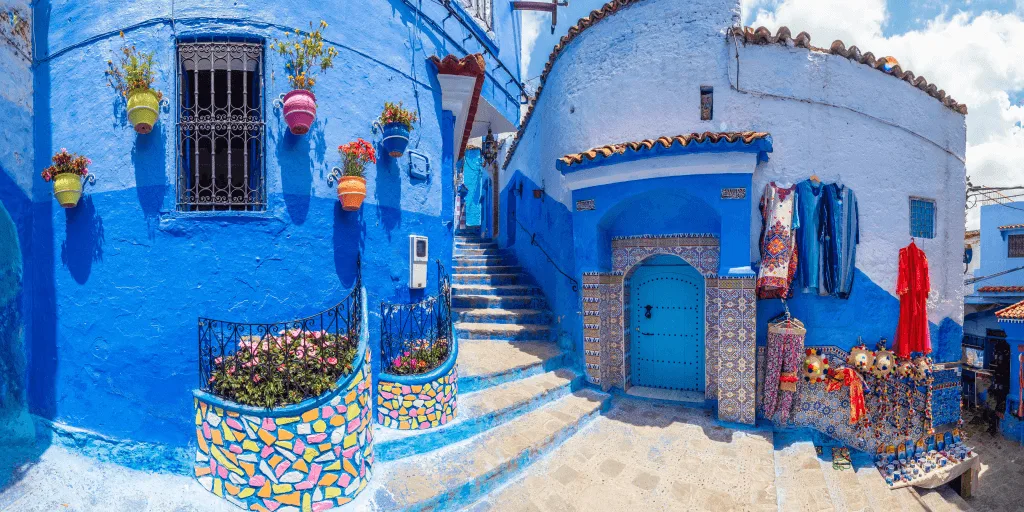
Chefchaouen generally feels easier to navigate than the larger medinas of Marrakech or Fes, although its streets can be steep and uneven.
Comfortable walking shoes matter. The blue streets are highly photogenic, but many of them are residential spaces, so avoid blocking doorways or turning private homes into photography sets.
Continue with our Chefchaouen Travel Guide →
Sahara Desert Travel for Women
Sahara travel requires different preparation from city sightseeing because distances are longer and accommodation can be remote.
Know who is responsible for transportation, where you will stay and how the desert portion of the journey connects with the rest of your route.
Practical clothing is more important than dressing only for photographs. Layers, comfortable footwear and a scarf can help with sun, wind, dust and temperature changes.
The Sahara can be an excellent part of Morocco Travel for Women when transportation and overnight arrangements are clearly planned before departure.
Read our complete Morocco Sahara Desert Travel Guide →
Photography & Personal Boundaries
Morocco offers extraordinary architecture, markets, mountain landscapes and street scenes, but photographing a person is different from photographing a building.
Ask before taking a recognizable portrait. If someone declines, respect the answer instead of continuing to photograph from another angle.
Women travelers may also find themselves being photographed by visitors or strangers. You have the same right to decline a photograph or move away from an interaction that makes you uncomfortable.
See our complete Photography in Morocco Guide →
Souks, Shopping & Unofficial Guides
Shopping in Morocco can be highly social. Sellers may invite you inside, show several products and spend considerable time explaining an item.
That interaction does not create an obligation to purchase. If interested, ask the price and decide what the item is worth to you. If not interested, a friendly but clear refusal is enough.
The same principle applies to unofficial guides. Someone who begins walking beside you and giving directions has not automatically become your guide.
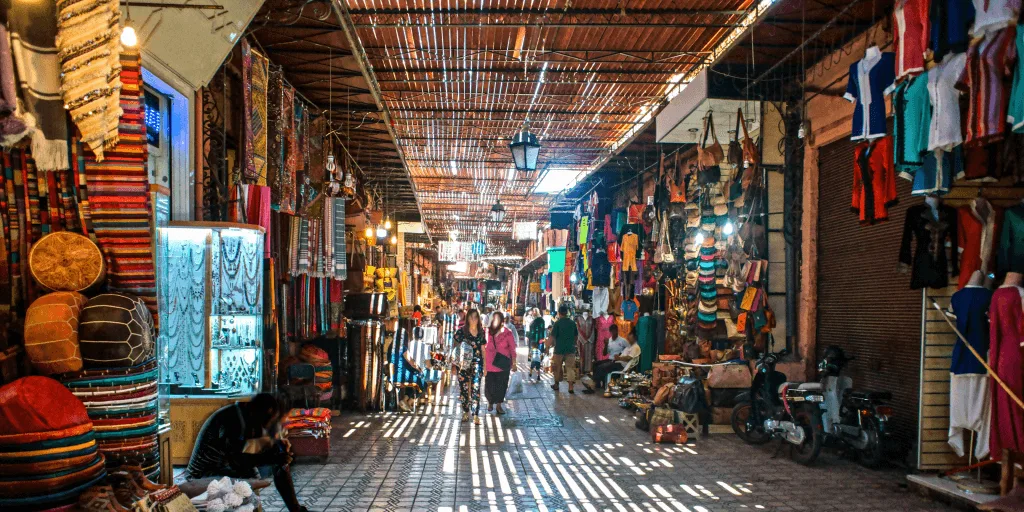
Enjoy the social side of Moroccan markets while remaining comfortable saying no, comparing prices and following your own route.
Phones, Maps & Useful Moroccan Phrases
A working phone is one of the most useful tools for women traveling independently in Morocco.
Save your accommodation address, screenshot important details and keep enough battery for maps, transportation and communication.
You do not need to speak Arabic or French to travel around Morocco, but a few simple words can make everyday interactions easier.
Hello / a common greeting.
Thank you.
No, thank you.
How much?
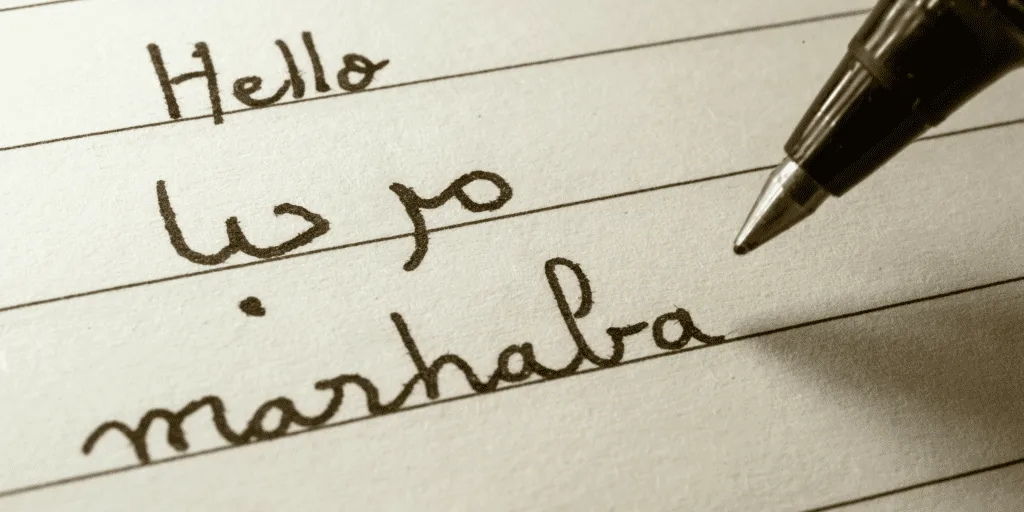
A few basic Moroccan Arabic expressions can make shopping, directions and everyday exchanges feel more natural.
Hotels, Riads & Choosing Accommodation
For women traveling alone, the location of a hotel or riad can matter as much as its appearance or room quality.
A beautiful riad deep inside a medina may require a walk from the nearest vehicle-access point. Before booking, understand how guests normally reach the property and what the route is like after dinner.
Save the accommodation’s phone number and map location before arriving.
If the property offers an arrival transfer, it can be convenient when reaching an unfamiliar medina for the first time, particularly after a long journey.
Accommodation location is an important consideration in Morocco Travel for Women, particularly for travelers who plan to return independently after evening meals.
Cultural Etiquette for Women Travelers
Cultural awareness does not require memorizing dozens of rules. Observe the setting, follow the lead of your host and ask questions when you are unsure.
Public displays of affection may attract more attention in traditional settings than in some Western destinations.
If invited into someone’s home, follow your host’s cues regarding shoes, seating, food and how the meal is shared.
During Ramadan, daily schedules and meal patterns can change. Businesses and restaurants may operate differently around sunset, so flexibility is useful.
The objective is not to behave exactly like a Moroccan woman. It is to understand enough about local customs that cultural differences become interesting rather than confusing.
For additional destination information and official Morocco tourism resources, visit the Moroccan National Tourist Office →
What Women Do NOT Need to Do in Morocco
Good advice about Morocco Travel for Women should help you prepare without making ordinary travel sound unnecessarily complicated.
Water, Heat & Long Sightseeing Days
Morocco itineraries can involve hours of walking through medinas, archaeological sites, gardens and outdoor landscapes.
Comfortable footwear, hydration, sun protection and realistic pacing can matter as much as the sightseeing plan itself.
Carry drinking water during long days outside, especially during warmer weather or desert travel.
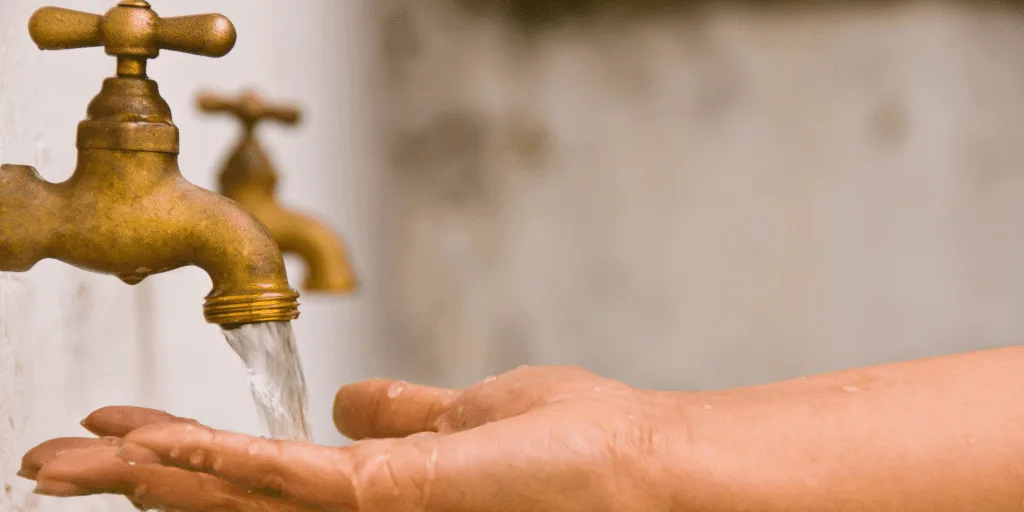
Water, sun protection, comfortable shoes and sensible pacing can make long sightseeing days more enjoyable.
What Women Should Pack for Morocco
Packing well for Morocco Travel for Women means choosing items that work across medinas, modern cities, desert landscapes and changing temperatures.
For a more detailed clothing and luggage guide, read Morocco Packing Tips →
Women Traveling in Morocco: What Changes by Destination?
One reason Morocco Travel for Women cannot be reduced to a single set of rules is that Marrakech, Fes, Chefchaouen, Casablanca and the Sahara offer very different environments.
| Destination | Main Consideration | Practical Tip |
|---|---|---|
| Marrakech | Busy markets and pedestrian traffic | Learn key landmarks and secure valuables |
| Fes | Complex medina navigation | Consider a licensed local guide |
| Chefchaouen | Steep residential streets | Wear good shoes and respect privacy |
| Casablanca | Large-city transportation | Plan movement between neighborhoods |
| Sahara | Remote travel logistics | Arrange transportation before departure |
Solo Female Travel Morocco: Independent vs Private Tour
Independent and private travel can both work well. The main difference is how much transportation, navigation and day-to-day coordination you want to manage yourself.
| Factor | Independent Travel | Private Tour |
|---|---|---|
| Transportation | You arrange each journey | Major transport is coordinated |
| Navigation | You manage routes yourself | Driver and local guides can assist |
| Flexibility | Maximum independence | Flexible within the planned route |
| Local Context | You research independently | Local professionals provide context |
| Logistics | You manage changes yourself | You have a local point of contact |
Neither style is automatically better for every woman. Some travelers value complete independence, while others prefer having transportation and major logistics arranged before arriving.
A private itinerary can make Morocco Travel for Women simpler when the journey includes several cities, long-distance transfers or a first visit to Morocco.
Learn more in our Private Morocco Tours Guide →
Practical Morocco Travel Checklist for Women
For a broader guide covering common travel situations, read Is Morocco Safe in 2027? →
Planning Morocco Travel for Women
Good preparation for Morocco Travel for Women should increase your freedom to explore rather than make the journey feel restrictive.
Learn the main cultural differences, organize the important transportation details and choose accommodation that suits the way you prefer to travel. Once those essentials are in place, there is room to enjoy the spontaneous experiences that often become the best part of Morocco.
Morocco Travel for Women: Frequently Asked Questions
Is Morocco suitable for women travelers?
Yes. Women travel throughout Morocco independently, with friends and on organized trips. Understanding local customs, planning transportation and using normal travel awareness can make Morocco Travel for Women easier and more comfortable.
Can women travel alone in Morocco?
Yes. Solo female travelers should plan routes, maintain phone access, save accommodation details and be selective about accepting unsolicited help in unfamiliar areas.
What should women wear in Morocco?
Comfortable, breathable and relatively modest clothing works well in many situations. Loose trousers, longer skirts or dresses and practical tops provide flexibility across cities, rural areas and cultural sites.
Do female tourists need to cover their hair in Morocco?
Female tourists generally do not need to cover their hair during ordinary sightseeing. A lightweight scarf can still be useful for sun, wind and settings with more conservative dress expectations.
Can women wear shorts in Morocco?
Shorts are worn by some visitors, particularly in tourism and resort settings. Longer or looser clothing can be more versatile when moving between different cultural environments.
How should women handle unwanted attention in Morocco?
A brief response or no response followed by continuing on your way is often effective. If an interaction becomes uncomfortable, move toward a busy café, hotel, restaurant or shop.
Is it okay for women to walk around Morocco at night?
Busy central areas can remain active after dark. When a route becomes isolated, poorly lit or unfamiliar, choose a busier route or arrange transportation.
Are taxis easy for women to use in Morocco?
Taxis are widely used. Confirm how the fare will be calculated at the beginning of the journey and know the name or location of your destination.
Is Marrakech good for solo female travelers?
Marrakech has extensive tourism infrastructure but can feel busy. Learning a few main medina landmarks and keeping valuables secure can make independent exploration easier.
Is Fes easy for women to explore alone?
Fes can be explored independently, but its historic medina is complex. A licensed guide can be useful for a first visit when you want both navigation and historical context.
Can women visit the Sahara Desert?
Yes. Advance logistical planning is important because Sahara journeys involve long driving distances and remote accommodation. Confirm transportation and overnight arrangements before departure.
Should women carry a scarf in Morocco?
A lightweight scarf is useful even when you do not need to cover your hair. It can provide sun protection, warmth and additional coverage when appropriate.
Can women take photos freely in Morocco?
Morocco offers many opportunities to photograph architecture and landscapes, but ask before taking recognizable portraits of people and respect anyone who does not want to be photographed.
Is a private tour useful for women traveling in Morocco?
A private tour can simplify transportation, route planning and local guiding. It may suit travelers who want fewer logistical decisions while maintaining flexibility within their itinerary.
Travel Morocco With the Level of Support That Suits You
Morocco Travel for Women can include independent exploration, private touring or a combination of both. The best approach is the one that matches your comfort level, travel experience and preferred pace.
Good preparation should give you more freedom to experience Morocco rather than make you worry about every interaction. Understand the environment, prepare the major logistics and leave room for the spontaneous moments that make travel memorable.
Plan a Morocco Journey That Feels Comfortable and Personal
Altni Tours can help turn your ideas into a private itinerary with carefully planned routes, coordinated transportation and local support. Morocco Travel for Women can be designed around your preferred pace, destinations and travel style.
PLAN MY MOROCCO TRIP VIEW MOROCCO ITINERARIES