Is Morocco Safe for tourists in 2027? For most travelers, the more useful question is not simply whether a country is “safe” or “unsafe,” but what situations require extra awareness and how to prepare for them.
Morocco welcomes travelers into busy medinas, historic cities, mountain regions, coastal towns and remote desert landscapes. Each environment presents different practical considerations. In a crowded souk, your main concern may be keeping track of your phone and wallet. In the Sahara, it may be distance, transportation and clear arrangements with your driver or operator.
This guide focuses on those everyday realities: solo travel, women travelers, families, city navigation, taxis, shopping pressure, unofficial guides, pickpocketing, food, photography, nighttime walking and emergency planning.
The practical issues visitors are more likely to think about include crowded medinas, persistent sellers, unofficial guides, fare misunderstandings, petty theft, navigation in old cities and the logistics of remote areas. Planning ahead usually makes these situations easier to manage.
Think in Situations, Not Labels
Morocco is geographically and culturally varied. The experience of walking through a busy Fes medina is very different from traveling through an open desert landscape or relaxing in a quieter coastal neighborhood.
Instead of trying to assign a single safety label to an entire country, it is more practical to understand where travelers commonly need extra awareness.
| Situation | What You May Encounter | Practical Approach |
|---|---|---|
| Busy Medinas | Crowds and narrow lanes | Keep valuables secure |
| Fes Medina | Unofficial guides | Use licensed guides |
| Souks | Persistent selling | Be polite and firm |
| Taxis | Fare disagreements | Confirm meter or fare first |
| Night Walking | Quieter streets | Stay on busy, lit routes |
| Sahara | Long distances | Use an established operator |
| Photography | Some people prefer privacy | Ask before portraits |
| Markets | Cash and change issues | Carry smaller notes |
Is Morocco Safe for Tourists?
Morocco receives travelers with very different travel styles: couples, families, solo visitors, photographers, food travelers and private groups. Most visitor experiences involve ordinary tourism rather than serious safety incidents.
The situations that deserve the most everyday attention are often familiar from other international destinations: crowded places, tourist pricing, confusing transportation, people offering unsolicited assistance and keeping control of valuables.
The difference is that Moroccan medinas can feel unfamiliar at first. Their narrow lanes, dense foot traffic, motorcycles, shops and changing directions can create sensory overload. Give yourself time to understand how the environment works instead of interpreting unfamiliarity as danger.

Busy tourist areas reward awareness more than anxiety: know where you are going and keep your belongings under control.
Is Morocco Safe for Americans?
American visitors generally face the same everyday travel considerations as visitors from Canada, Europe, Australia and elsewhere.
What may feel different is the cultural environment. Morocco is a North African and predominantly Muslim country with different social habits, shopping customs, language patterns and expectations around personal interaction.
Understanding those differences before arrival can reduce misunderstandings. Learn a few basic greetings, respect local customs, keep your itinerary information relatively private around strangers and know how you will contact your hotel, driver or tour company if needed.
Is Morocco Safe for Solo Travelers?
Solo travel in Morocco gives you freedom, but it also means you are responsible for every transport decision, navigation choice and interaction.
Keep reliable phone access, download maps where useful, save the address of your accommodation and tell someone where you are going when heading farther from the city.
In complicated medinas, avoid allowing every person who offers help to become an unofficial guide. If you are genuinely lost, ask a shop, riad, restaurant or clearly identifiable professional for directions.
Solo travelers may find a licensed guide especially useful on their first day in Fes or Marrakech. After learning the basic geography and local rhythm, independent exploration often becomes much easier.
Is Morocco Safe for Women Travelers?
Women travel throughout Morocco independently, with friends and on organized tours. At the same time, some women may experience persistent comments or unwanted attention, particularly in busy tourist areas.
A confident, brief response—or simply continuing to walk—can be more effective than prolonged engagement. When walking alone after dark, choose active streets and arrange transportation when an area becomes quiet or unfamiliar.
Clothing does not need to copy local dress, but relatively modest clothing can be practical and culturally respectful, particularly when visiting traditional neighborhoods or religious sites.
We have a separate guide with more detail: 10 Tips for Women Travelers in Morocco →
Is Morocco Safe for Families?
Families often appreciate Morocco because experiences can vary from city sightseeing and food to animals, desert landscapes, beaches and mountain scenery.
The practical challenge is usually pacing. Children can become tired in busy medinas or during long road journeys, so realistic schedules matter.
Keep children close in crowded souks, agree on a meeting point if older children become separated and carry snacks, water and any routine medicines you may need during long driving days.
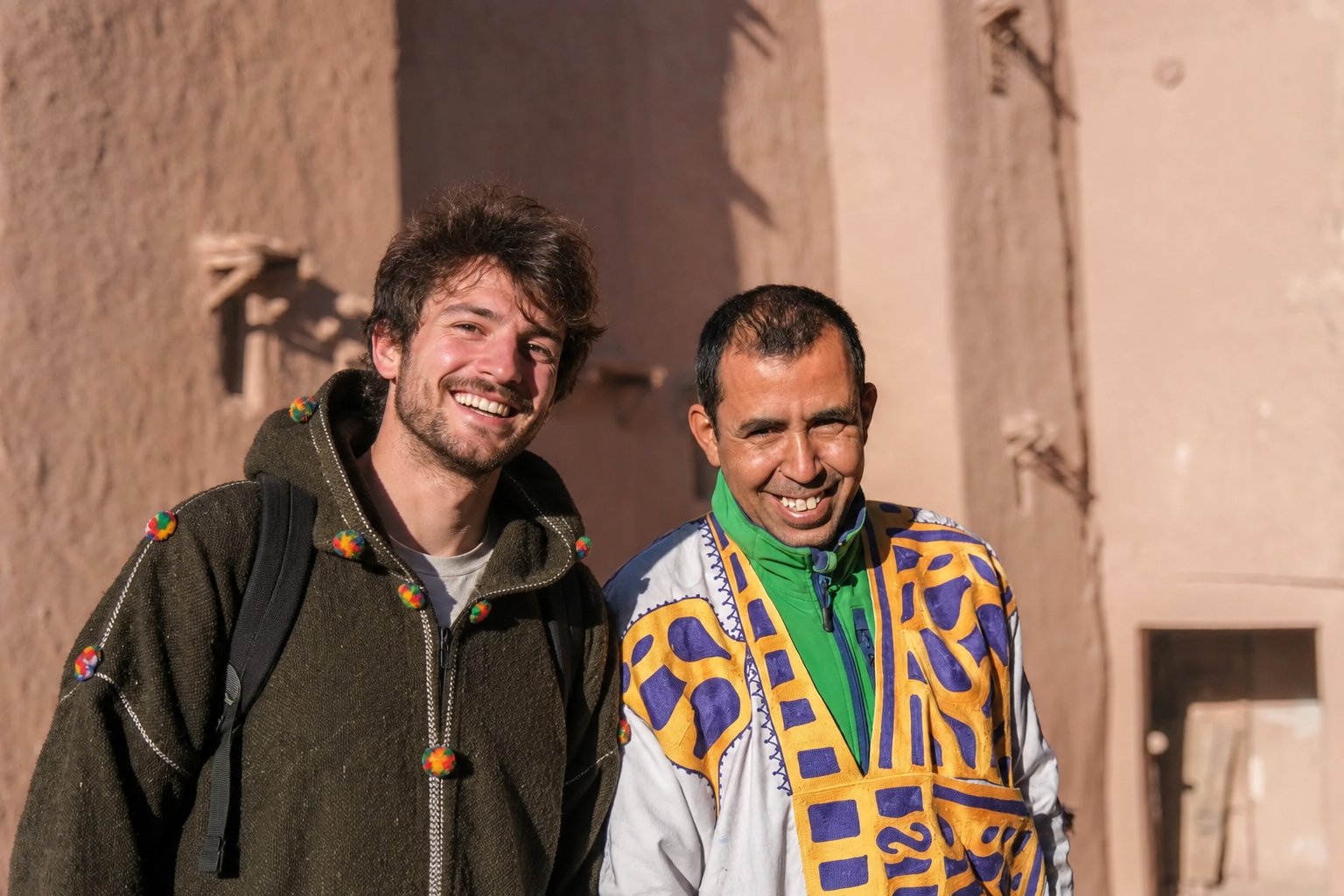
A well-paced itinerary can make city days, driving days and cultural experiences easier for couples and families.
Is Marrakech Safe?
Marrakech is one of Morocco’s busiest visitor destinations. Its popularity means you will encounter crowds, active sellers, taxis, guides and intense pedestrian traffic, particularly around the medina and Jemaa el-Fna.
The key is to stay aware of your belongings, know roughly where you are heading and avoid following someone simply because they insist that a road is closed or that your destination is somewhere else.
In souks, a friendly greeting from a seller does not obligate you to enter a shop or buy anything. If you are not interested, a polite but clear refusal is enough.
For sightseeing ideas, see our Marrakech Travel Guide →
Is Fes Safe?
Fes el-Bali can be one of the most rewarding—and initially confusing—urban environments in Morocco.
Its network of narrow lanes is part of the experience, but it also makes visitors more dependent on directions. This creates an opening for unofficial guides who may offer to “help” and then expect payment or lead travelers toward particular shops.
A licensed local guide can be valuable on your first exploration of the medina, especially if you want historical context rather than simply navigation.
Is Chefchaouen Safe?
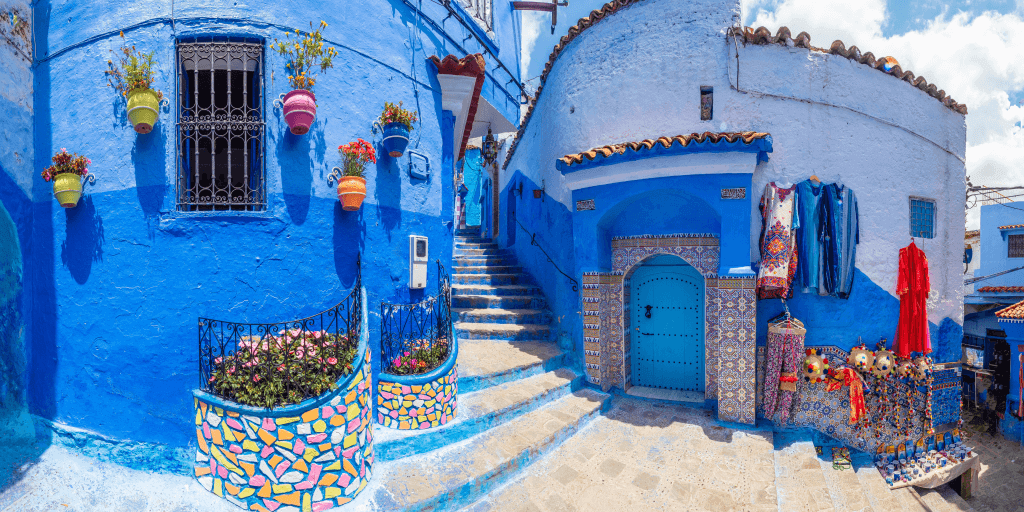
Chefchaouen generally feels slower and easier to navigate than larger cities such as Marrakech or Fes, but normal travel awareness still matters.
The steep blue lanes can be slippery or uneven in places, so practical footwear is important. When photographing residential streets, remember that the beautiful blue alleys are also people’s homes.
Avoid blocking entrances or photographing residents closely without permission.
Continue with our Chefchaouen Travel Guide →
Is Casablanca Safe?
Casablanca is a large working city rather than a compact tourism-focused medina. Its scale means the experience can feel more like navigating another major international city.
Plan transportation between neighborhoods instead of assuming everything is walkable. Keep phones and wallets secure in crowded locations and use straightforward transportation arrangements.

Casablanca combines major landmarks such as Hassan II Mosque with the rhythm of a large modern city.
Is the Sahara Desert Safe?
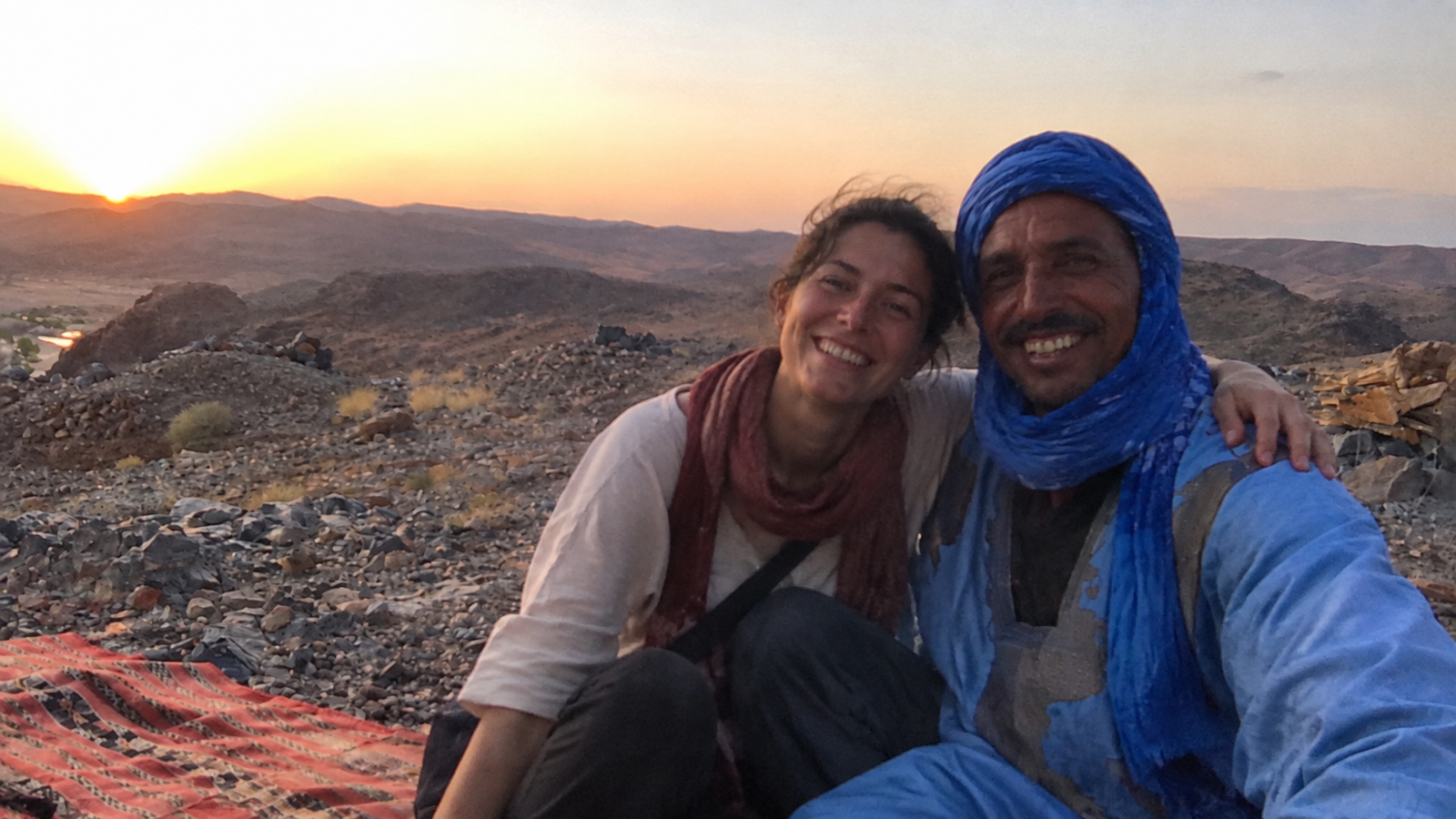
A Sahara journey involves a different type of planning from city tourism. The issue is less about crowded streets and more about distance, road time, remote accommodation and knowing who is responsible for your transportation and desert arrangements.
Confirm your route, meeting points, accommodation and included activities before departure. Use an established operator for remote journeys rather than improvising transportation after reaching a distant area.

Remote landscapes are easier to enjoy when transportation, timing and overnight arrangements are organized in advance.
Read our complete Morocco Sahara Desert Travel Guide →
Pickpocketing & Petty Theft
Crowded visitor areas are where travelers should pay the most attention to phones, wallets and bags.
A wallet in an open back pocket or a phone sitting on the edge of a café table is easier to lose than an item secured in a zipped bag kept close to your body.
You do not need to walk around suspicious of everyone. Use simple habits: carry only what you need that day, divide cash when practical and check that bags are closed before entering dense crowds.
Fake Guides & Common Tourist Scams
Most interactions with people you meet will simply be normal human interactions. However, tourist areas also create opportunities for people trying to earn money through commissions, unwanted services or exaggerated prices.
Recognizing a few common patterns can make these encounters easier to handle without letting them dominate your trip.
Someone insists your route is blocked and offers an alternative. Check your map or ask a business before changing direction.
A stranger begins walking with you, explaining directions or sights, and later expects payment.
An item or service may initially sound free and then become a request for payment. Decline clearly if you do not want it.
Avoid uncertainty by confirming the meter or expected fare before the journey begins.
Ask the price before agreeing to a service and compare prices when a purchase is important or expensive.
An unofficial helper may redirect you to a shop where they receive a commission. You are free to stay with your original plan.
Shopping, Prices & Unwanted Pressure
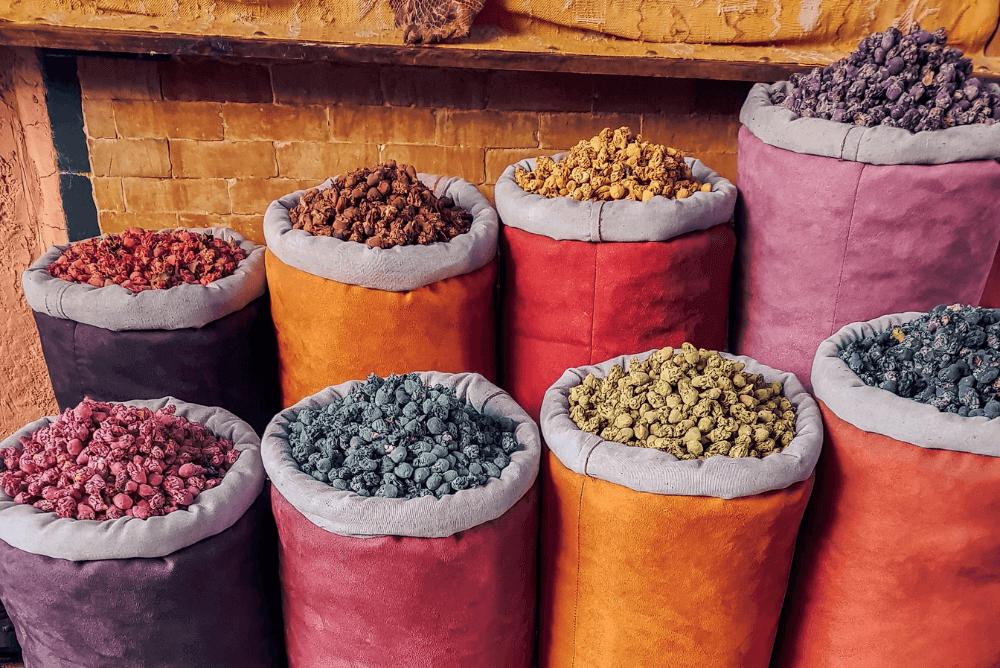
Moroccan souks are part shopping area, part social space and part sightseeing experience. Bargaining may be expected in some traditional markets, but that does not mean you need to purchase something simply because you asked a price.
Decide what an item is worth to you, stay friendly and walk away when the purchase stops being enjoyable.
For higher-value purchases, avoid making an immediate decision based only on claims that an item is rare, antique or available “today only.”

Enjoy the interaction, but keep control of the decision: asking a price does not require you to buy.
Taxi & Transportation Safety
Transportation becomes much easier when expectations are clear before the vehicle moves.
With local taxis, confirm how the fare will be determined. If you are unfamiliar with the route, following your general direction on your phone can help you understand the journey without needing to constantly question the driver.
On buses, trains and in transport stations, apply the same crowded-place habits you would use elsewhere: keep small valuables secure and avoid leaving bags unattended.
Walking Around at Night
Nighttime can be one of the most enjoyable times to experience Moroccan cities. Marrakech, in particular, has a completely different atmosphere after sunset.
The useful distinction is between active evening areas and isolated streets. Restaurants, squares and well-used pedestrian areas can remain busy, while quieter lanes may empty quickly.
If you are unsure about the route back to your accommodation, ask the property which entrance or landmark is easiest to use at night, or arrange a taxi for the part of the journey where vehicle access is available.
Food, Water & Staying Healthy
A change of climate, schedule and food can affect travelers even when nothing is “wrong” with a meal.
Choose places with good turnover, favor food that is freshly prepared and served hot, wash or sanitize your hands before eating and stay hydrated during long sightseeing or driving days.
Travelers with sensitive stomachs may prefer sealed bottled or appropriately filtered water when uncertain about a local water source.
Bring enough of your regular medications for the trip and keep essential medicines in your hand luggage rather than placing everything in checked baggage.
Photography & Personal Boundaries
Morocco is highly photogenic, but a visually interesting person is still a person rather than a sightseeing attraction.
Ask before taking recognizable portraits. If the answer is no, respect it immediately. Be particularly careful when photographing children, people working and private residential spaces.
In shops or artisan workshops, ask before spending several minutes photographing products or workers.

Good travel photography combines curiosity with respect for people’s privacy and personal space.
See our Photography in Morocco Guide →
What to Do if You Get Lost in a Medina
Getting temporarily disoriented in an old medina is common and is not automatically an emergency.
Stop moving for a moment instead of making repeated random turns. Check your map, identify a main landmark and ask someone working in a shop, restaurant, hotel or riad for directions.
Save your accommodation’s name and phone number. A screenshot of its location can also be useful if mobile data becomes unreliable.
If someone insists on personally walking you somewhere when you only asked for directions, you are free to decline.
Emergency Planning Before Your Trip
Good emergency planning is mostly simple preparation done before anything goes wrong.
If you have an itinerary with a tour company, save your local contact before arriving rather than searching for it when you need help.
How a Private Morocco Tour Can Make Travel Easier
A private tour does not remove every travel variable, but it can reduce the amount of logistics you need to solve on your own.
You know who is taking you between cities instead of arranging each long-distance transfer separately.
Your itinerary connects hotels, cities and driving days as one journey rather than separate bookings.
Drivers and licensed city guides can help explain local customs, navigation and practical situations.
You have someone connected to the trip to contact when plans need clarification or coordination.
Read our Private Morocco Tours Guide →
Morocco Is Larger and More Varied Than It Looks on a Map
City safety and travel logistics are connected to geography. Casablanca, Fes, Marrakech, Chefchaouen and the Sahara are not neighboring stops, and long-distance travel requires realistic timing.

Build your itinerary around realistic distances instead of trying to fit every major destination into a short trip.
Start with our Planning a Trip to Morocco Guide →
Common Scams — Quick Guide
| Situation | What to Do |
|---|---|
| “Road Is Closed” | Verify independently before changing direction |
| Unrequested Guide | Decline clearly if you did not ask for a guide |
| Free Gift / Henna | Do not accept a service you do not want |
| Taxi Fare Disagreement | Confirm meter or price before departure |
| Inflated Price | Compare before making an important purchase |
| Shop Detour | Stay with your intended route unless you want to visit |
Independent Travel vs Private Tour
| Factor | Independent Travel | Private Tour |
|---|---|---|
| Transport | You arrange each connection | Pre-arranged vehicle and route |
| Navigation | You manage it yourself | Driver and guides can assist |
| Schedule | Maximum independence | Flexible within planned route |
| Local Context | You research independently | Local professionals available |
| Problem Solving | You handle arrangements | Tour contact can help coordinate |
| Best For | Confident independent travelers | Travelers wanting easier logistics |
Practical Morocco Safety Checklist
For an even more practical checklist, read Safe Travel to Morocco: Essential Safety Tips →
Is Morocco Safe? FAQ
Is Morocco safe for tourists in 2027?
Many travelers visit Morocco successfully each year. Practical awareness is most useful in busy tourist areas, transportation situations, souks, unfamiliar medinas and remote destinations.
Is Morocco safe for Americans?
American travelers generally follow the same practical precautions as other international visitors: protect valuables, understand local customs, arrange transportation clearly and keep useful contact information available.
Is Morocco safe for solo travelers?
Solo travel is possible, but travelers should take responsibility for navigation, transportation and communication. Reliable phone access, accommodation details and advance planning are especially useful.
Is Morocco safe for women traveling alone?
Women travel independently in Morocco, although some may encounter unwanted attention. Staying aware, choosing active routes at night and understanding local social customs can make the experience easier.
Are Marrakech and Fes safe to visit?
Both are major tourist destinations. The most practical concerns involve crowded areas, belongings, unofficial guides, navigation and persistent selling rather than the attractions themselves.
Is Chefchaouen safe?
Chefchaouen is generally easier to navigate than Morocco’s largest cities, but visitors should still use normal travel awareness and respect residential areas when exploring and taking photographs.
Is the Sahara Desert safe for tourists?
Desert travel is best approached as a logistics question. Arrange reliable transport, accommodation and desert activities in advance and know who is responsible for each part of the journey.
Are pickpockets common in Morocco?
Pickpocketing can occur in crowded tourist areas and transportation environments. Keep wallets, phones and bags secure when moving through dense crowds.
What are common tourist scams in Morocco?
Travelers may encounter unofficial guides, claims that a road is closed, unwanted services, taxi fare disagreements, inflated tourist prices or detours to commission-based shops.
Are taxis safe in Morocco?
Taxis are widely used. Clarify how the fare will be determined before beginning the journey and keep a general idea of your destination and route.
Is it safe to walk around Morocco at night?
Busy restaurant districts, squares and tourist areas can remain active after dark. When streets become isolated or unfamiliar, use a busier route or arrange transportation.
Do I need a guide in Morocco?
A guide is not required everywhere, but a licensed local guide can be especially useful in complex historic medinas such as Fes and Marrakech.
Plan the Journey Before You Worry About the Journey
Tell Altni Tours your travel dates, group size, preferred pace and the places you want to experience. We can help shape those ideas into a private Morocco itinerary with organized transportation, realistic routing and local support.
PLAN MY MOROCCO TRIP VIEW MOROCCO ITINERARIES