Planning a Trip to Morocco in 2027 starts with a few important decisions: when to travel, how many days to allow, which regions matter most to you, and how fast you want to move. Morocco combines imperial cities, centuries-old medinas, Atlantic coastline, the Atlas Mountains, traditional riads and the Sahara Desert, but a memorable trip depends on connecting those experiences in a realistic route.
This guide is designed to help you move from inspiration to an actual travel plan. Instead of trying to see everything, you will learn how to choose the right season, trip length, destinations, accommodation and transportation for the kind of Morocco journey you want to experience.
Planning a Trip to Morocco: Quick Planning Snapshot
Best Time to Visit Morocco in 2027
When Planning a Trip to Morocco, your travel month matters because the country includes Atlantic and Mediterranean coasts, mountains, inland cities and desert regions. The same week can feel very different in Marrakech, the Atlas Mountains and the Sahara.
For a broad itinerary combining cities, cultural sites and the desert, spring and autumn offer a particularly useful balance. Morocco’s official tourism office identifies spring and autumn as especially suitable seasons for Sahara travel. These periods are also popular, so travelers with specific riads or room categories in mind benefit from planning ahead.
Winter can be excellent for cultural sightseeing, but nights can become cold in the mountains and desert. Summer brings significant heat to inland and southern areas, while coastal destinations can provide a cooler contrast. There is no single perfect month for every traveler—the best season depends on your route.
OFFICIAL MOROCCO CLIMATE INFORMATION →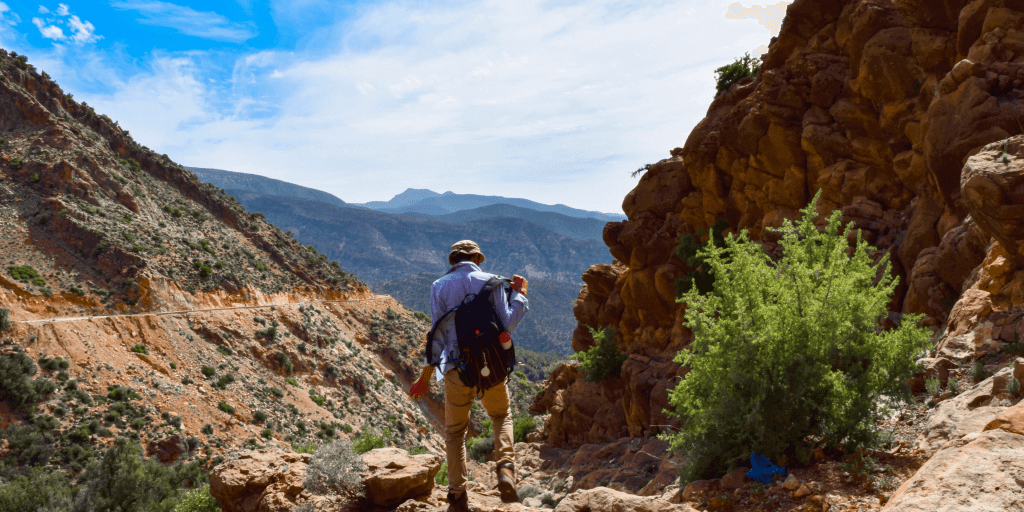
Cooler sightseeing conditions and crisp evenings. Pack additional layers for mountain and desert nights.
A strong period for multi-city travel, walking tours and combining cities with the south.
Hot inland conditions. Balance early sightseeing with slower afternoons or coastal destinations.
Excellent conditions for routes combining imperial cities, mountains and the Sahara.
Comfortable cultural touring with cooler evenings and fewer hours of daylight.
How Many Days Do You Need in Morocco?
One of the most important decisions when Planning a Trip to Morocco is how much territory to cover. Morocco is larger than many first-time visitors expect, and the famous destinations are not all close together. A journey feels very different when travel days are treated as part of the experience rather than something to squeeze between sightseeing stops.
Days — A Focused Introduction
Eight days works well when you keep the itinerary focused. It is enough for a carefully designed cultural route through several major cities, but trying to combine the north, Sahara and Atlantic coast can make the trip unnecessarily rushed.
EXPLORE OUR 8-DAY TOUR →Days — The Classic Balance
Around eleven days gives a first-time visitor much more flexibility. You can combine imperial cities, changing landscapes and a Sahara experience while still allowing meaningful time in places such as Fes and Marrakech.
EXPLORE OUR 11-DAY TOUR →Days — Morocco in Greater Depth
Two weeks gives you space to experience Morocco rather than simply cross it. Additional days make destinations such as Chefchaouen and Essaouira easier to include and give the itinerary room for slower mornings and longer cultural visits.
EXPLORE OUR 14-DAY TOUR →Where Should You Go on Your First Morocco Trip?
Your ideal route depends on what you want Morocco to feel like. Imperial cities bring history and architecture; the Sahara brings silence and open landscapes; the coast changes the rhythm entirely. A strong itinerary combines destinations that complement one another.
Marrakech
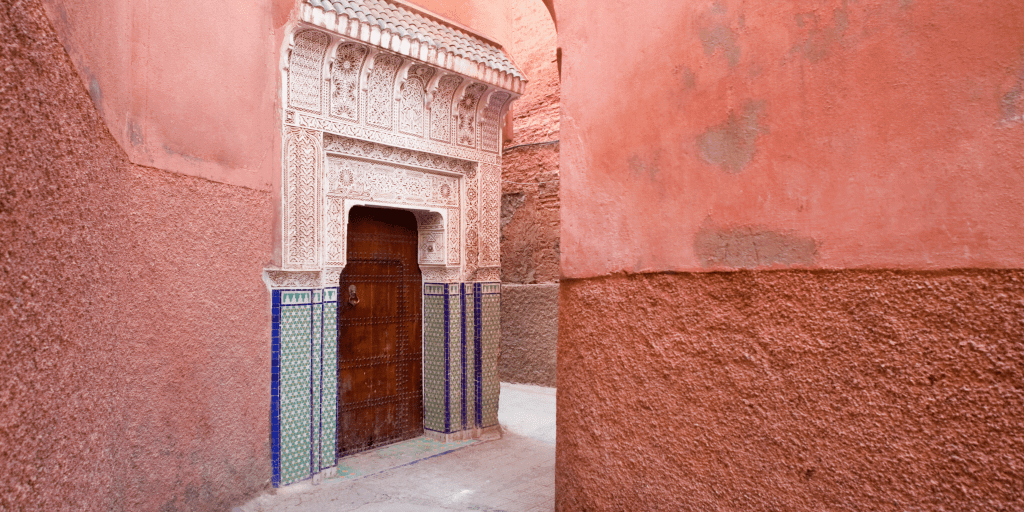
Marrakech combines historic palaces, gardens, markets, riads and one of the country’s most energetic medinas. Two or three nights gives first-time visitors time to explore without reducing the city to a quick stop.
Fes
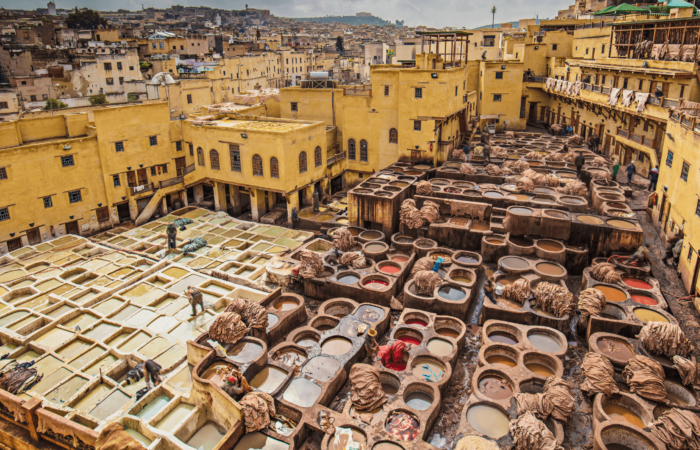
Fes offers one of Morocco’s richest traditional urban experiences. Its vast medina, artisan workshops and historic architecture reward a full day with a knowledgeable local guide and enough time to explore slowly.
Rabat & Meknes
Rabat offers a calmer coastal capital atmosphere while Meknes fits naturally with Fes and nearby Volubilis. Together they add historical context to a longer Morocco itinerary.
Chefchaouen
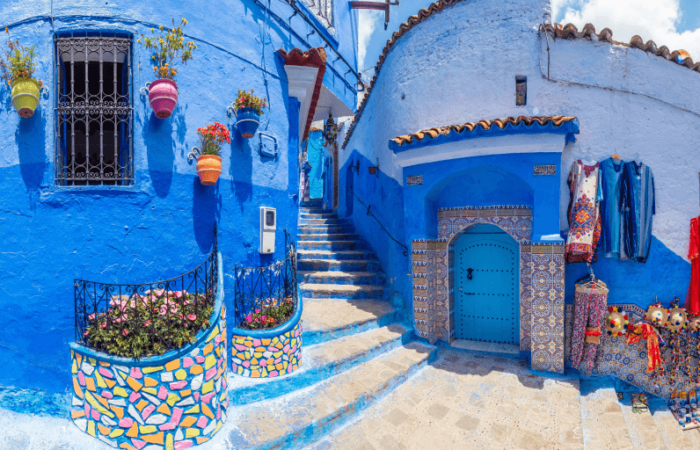
Chefchaouen’s blue streets and mountain setting create a slower, more intimate experience. Because it is in northern Morocco, it works most comfortably when you have enough days to avoid rushing south immediately afterward.
Sahara Desert
For many travelers the Sahara becomes the emotional centerpiece of the trip. The experience is not only the dunes: the changing landscapes on the journey south are part of what makes arriving in the desert feel extraordinary.
Essaouira
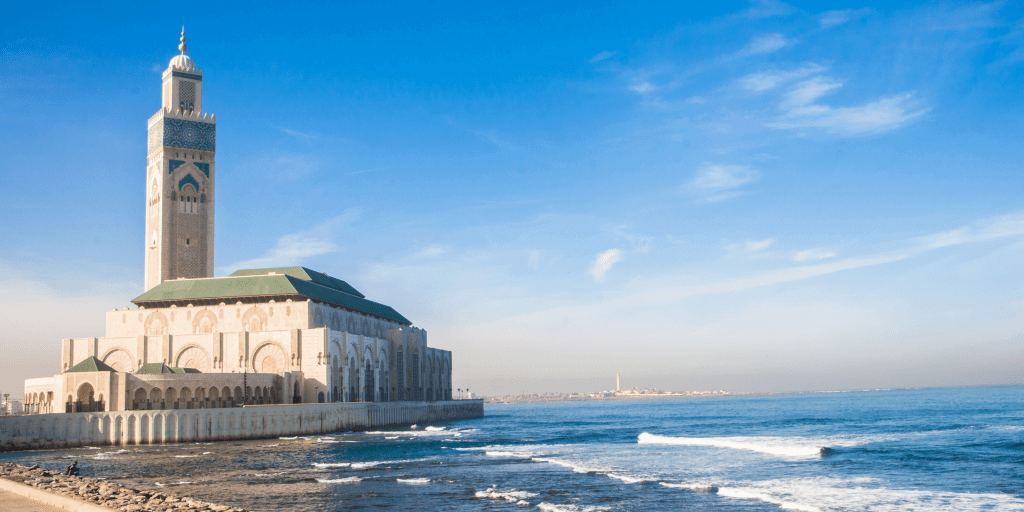
Essaouira is an excellent contrast after Morocco’s inland cities. Its harbor, oceanfront setting, art scene and walkable medina create a relaxed ending to a journey that may have included several long travel days.

What Do You Actually Want to Experience?
Planning a route only around famous city names can produce a technically good itinerary that still does not feel personal. Think instead about the moments you want to remember after returning home.
- Walk through historic medinas with time to notice the details instead of racing between landmarks.
- Experience the Sahara at sunset, travel by camel and spend a night in a desert camp.
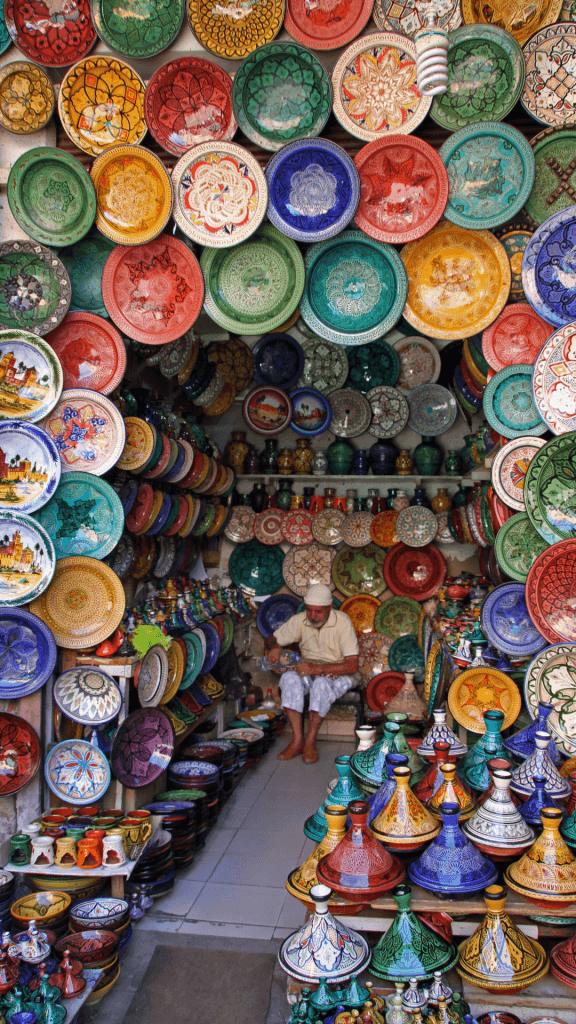
- Explore traditional crafts, ceramics, leatherwork, carpets and local markets.
- Make Moroccan food part of the journey through markets, restaurants and regional specialties.
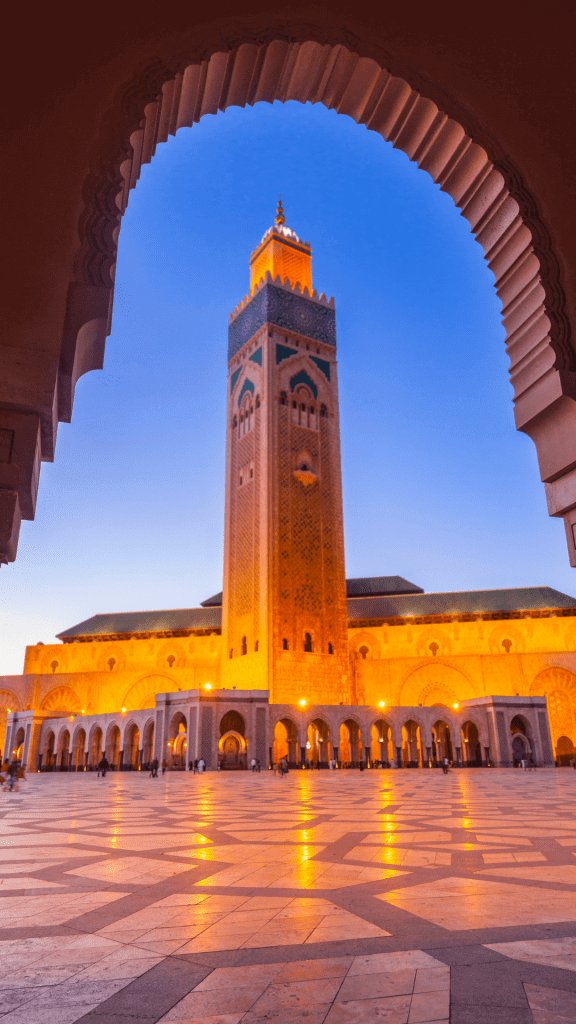
- Include architecture, photography, mountain scenery or coastal time according to your own interests.
When you communicate those priorities before the itinerary is finalized, it becomes much easier to decide what belongs in your route—and what does not.
Three Ways to Build Your First Morocco Journey
Use sample itineraries as foundations rather than rigid schedules. A private journey should be adjustable around your arrival city, interests, accommodation preferences and preferred pace.
Imperial Cities & Culture
A focused option for travelers who place history, architecture, medinas and Morocco’s imperial heritage above covering the greatest possible distance.
This type of trip keeps the route tighter and allows more time inside the destinations rather than constantly moving between them.
VIEW THE ITINERARY →Classic Morocco
Eleven days creates room for a broader journey combining culture, landscapes and southern Morocco without turning every morning into another departure.
For many first-time visitors, this length offers an excellent balance between variety and a comfortable travel rhythm.
VIEW THE ITINERARY →Morocco in Depth
Two weeks can include Casablanca, Rabat, Chefchaouen, Fes, the Sahara, Marrakech and Essaouira while giving individual destinations more breathing room.
It is particularly suitable for travelers who do not want their first visit to feel like a checklist.
VIEW THE ITINERARY →Riads vs Hotels: Which Is Better?
Accommodation is part of the Morocco experience, not simply where you sleep. For many travelers the best answer is not choosing between riads and hotels—it is knowing when each style works best.
Traditional Riads
Riads are traditional Moroccan houses generally organized around an interior courtyard. They often have relatively few rooms and can place you directly inside the atmosphere of a historic medina.
- Traditional Moroccan architecture
- More intimate atmosphere
- Excellent choice in Marrakech and Fes
- Often located inside historic districts
Hotels
Hotels may provide easier vehicle access, larger public spaces and a wider range of facilities. They can be particularly practical for certain arrival, departure or road-trip stages.
- Often easier for vehicles and luggage
- More familiar hotel format
- Larger range of facilities
- Useful for specific stages of the itinerary
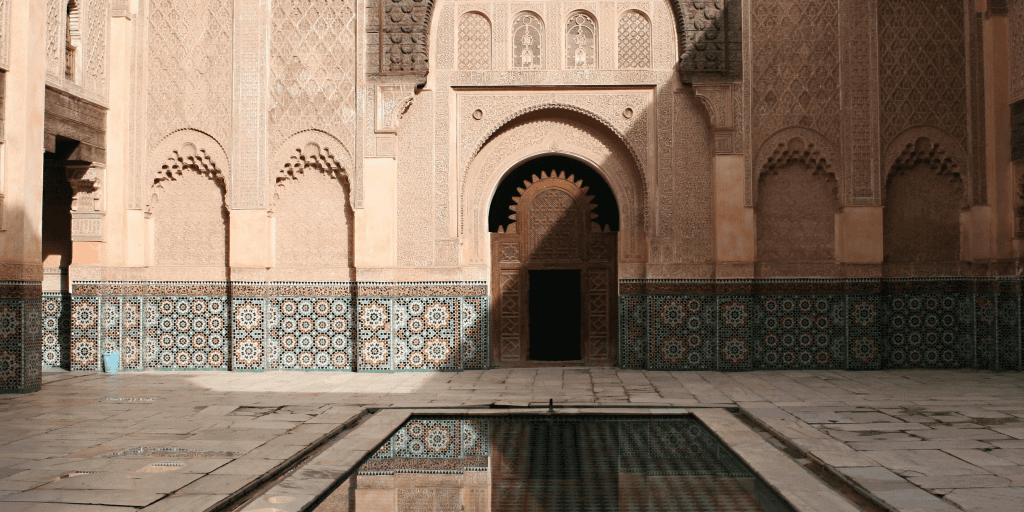
A thoughtful Morocco itinerary can combine both. You might choose a small riad inside a historic medina for atmosphere, then use a hotel elsewhere when location, parking or particular facilities matter more.
Getting Around Morocco: Trains, Drivers & Local Guides
Morocco offers several ways to travel, including conventional trains, high-speed rail, coaches, taxis and rental cars. The official tourism office currently lists the high-speed line serving Tangier, Kenitra, Rabat and Casablanca.
Use Rail Where It Fits the Route
Rail can be very useful between major cities on the network. It works particularly well when your itinerary is simple and centered on destinations connected by train.
Use a Private Driver for Complex Routes
Once the journey involves the Sahara, mountain roads, kasbahs, valleys and multiple smaller stops, private transportation becomes much more convenient. It also allows scenic stops that would be difficult to coordinate independently.
Add Local Guides in Historic Cities
A driver and a licensed local guide have different roles. The driver provides continuity between destinations, while local guides can bring historical and cultural depth to complex medinas such as Fes and Marrakech.
Protect Your Travel Days
Do not automatically schedule a full sightseeing program after every long drive. Leaving time to arrive, check in and settle into the destination can make the entire journey feel more relaxed.
Cash, Cards and Moroccan Dirhams
The official currency is the Moroccan dirham, abbreviated MAD. Morocco’s National Tourist Office states that travelers can pay by cash or credit card, while international Visa and Mastercard cards are accepted by most hotels and some restaurants, shops and petrol stations.
Carry Some Cash
Cash remains useful for markets, small businesses, tips and places where card payments are not offered.
Bring More Than One Card
Traveling with a backup payment method gives you more flexibility if one card is declined or temporarily unavailable.
Exchange Currency Properly
Official tourism information lists exchange offices in cities, airports, banks and some hotels as places where foreign currency can be exchanged.
What to Pack and What to Wear in Morocco
Pack for your itinerary rather than simply for the season printed on the calendar. A journey that includes Casablanca, Fes, the Atlas Mountains and the Sahara can involve very different conditions within the same trip.
Comfortable walking shoes are essential because medinas involve considerable time on foot, often over uneven surfaces. Lightweight layers are useful because day and night temperatures can change significantly, particularly in mountain and desert areas.
- Comfortable shoes for medinas and sightseeing
- Lightweight layers for changing temperatures
- Sunscreen, sunglasses and a hat
- A lightweight scarf for sun, wind or cooler evenings
- Personal medication and copies of important documents
- Charging equipment and the correct travel adapters
- A warmer layer if the route includes desert or mountain nights
Food and Dietary Needs
Food should be treated as part of the itinerary rather than something squeezed between attractions. Tagines, couscous, breads, salads, grilled dishes, pastries and mint tea vary by region and provide another way to understand the places you visit.
Travelers who care deeply about food can include market visits, carefully chosen restaurants or cooking experiences. Someone more interested in history may prefer a quicker lunch so that additional time can be spent inside a medina or at an archaeological site. Neither approach is wrong—the itinerary should reflect the traveler.
If you have allergies, vegetarian or vegan preferences, or another dietary requirement, communicate it before your arrival. Repeating important requirements locally is also helpful. A private itinerary can make this easier because the travel team already knows your needs before the trip begins.
Traveling in Morocco During Ramadan 2027
Ramadan in Morocco is currently expected to begin around February 8, 2027, with Eid al-Fitr tentatively falling around March 10. Islamic calendar dates can shift because the beginning and end of Ramadan are tied to lunar observation, so travelers should treat these dates as provisional until officially confirmed.
Travel during Ramadan is completely possible and can provide an especially interesting cultural perspective. The rhythm of the day changes: some businesses may adjust hours, while evenings become more active as families and communities break the fast.
Visitors are not expected to fast. The practical approach is simply to plan sightseeing, meals and driving with local schedules in mind and to be considerate of the people around you.
Practical Travel Essentials
A few small decisions made before departure can remove a surprising amount of friction from the journey.
Passport & Entry Rules
Entry requirements depend on nationality. Confirm the requirements that apply to your passport before buying non-refundable arrangements.
Phone & Navigation
Keep essential confirmations available offline and download maps before longer road journeys in case connectivity becomes limited.
Arrival Day
Avoid building an ambitious sightseeing schedule immediately after a long international flight. Give yourself time to settle in.
Photography
Morocco is extraordinarily photogenic, but ask permission before photographing people closely and respect local instructions at specific sites.
Sun Protection
Sunscreen, sunglasses and a hat are useful throughout much of the year, particularly on exposed sightseeing and desert days.
Leave Some Flexibility
Not every memorable moment needs to be scheduled. Leave room for tea, a market, a scenic stop or an unexpected recommendation.
How Altni Tours Plans Your Morocco Journey
You do not need to design the entire trip before contacting us. The most useful starting point is simply knowing your approximate dates, available days, number of travelers and the experiences that interest you.
Tell Us Your Ideas
Share your dates, available time, travel party and the experiences you care about most.
We Build the Itinerary
The route is shaped around geography, realistic travel times and your personal priorities.
Refine It Together
Review the proposal and adjust accommodations, pacing or destinations until the trip feels right.
Travel Morocco Your Way
Once the details are confirmed, you can focus on the experience rather than coordinating each piece yourself.
What to Decide Before Requesting Your Trip
Do not worry if you cannot answer everything. These questions simply make it easier to turn an idea into a useful first itinerary.
Even something as simple as “11 days, first visit, interested in history, food and the Sahara” is enough to begin building a thoughtful route.
More Morocco Travel Guides
Continue planning your Morocco journey with practical guides, destination ideas and private-tour inspiration from Altni Tours.
Planning a Trip to Morocco FAQ
How many days are enough for a first trip to Morocco?
Eight days can work for a focused itinerary. Around 10–11 days gives you more flexibility to combine major cities with the Sahara, while fourteen days provides a broader and more relaxed first experience.
What is the best time of year to visit Morocco?
For a broad itinerary, spring and autumn are particularly useful because they offer favorable conditions for sightseeing and desert travel. The ideal time still depends on the exact regions you want to visit.
Is seven days enough for Morocco?
Yes, but the route should remain focused. Seven days is not ideal for combining northern Morocco, the Sahara and multiple Atlantic destinations without significant travel time.
Should I stay in riads or hotels?
Both can be excellent. Riads offer traditional atmosphere and historic character, while hotels may provide easier access and larger facilities. Many travelers enjoy combining both.
Do I need cash in Morocco?
Yes. Cards are accepted in many hotels and other businesses, but Moroccan dirhams remain useful for markets, tips, smaller shops and establishments that do not accept cards.
Do I need a guide in Morocco?
Independent travel is possible, but a knowledgeable local guide can add considerable value inside historic medinas such as Fes and Marrakech by helping with navigation and providing historical context.
Can I travel to Morocco during Ramadan?
Yes. Tourism continues during Ramadan. Some business and meal schedules can change, so the itinerary should simply be planned around the local daily rhythm.
What should I pack for Morocco?
Comfortable walking shoes, seasonal layers, sun protection, a lightweight scarf, personal medication and travel documents are useful basics. Add warmer layers when your route includes desert or mountain nights.
Is a private Morocco tour useful for a first visit?
A private journey can be particularly convenient when your itinerary includes many regions because transportation, accommodations and local guiding can be coordinated while the route remains adjustable to your interests and pace.
How far in advance should I start planning?
If you are traveling during popular spring or autumn periods, beginning several months ahead generally provides a wider choice of preferred accommodations. Travelers with larger groups or specific riads may benefit from starting even earlier.
Turn Your Morocco Ideas Into a Personalized Itinerary
Planning a Trip to Morocco does not need to become a second job. Tell us when you want to travel, how many days you have and what you most want to experience. We can use those details to create a private Morocco journey around your interests and travel style.
REQUEST MY MOROCCO ITINERARY