Adventure Travel Tips for Morocco begin with one important idea: Morocco is not a single type of adventure destination. It is a country where a traveler can hike through the High Atlas, cross desert dunes near Merzouga, climb dramatic canyon walls, surf the Atlantic coast, ride through mountain roads and still spend the evening in a comfortable riad.
That variety is what makes adventure travel in Morocco so interesting. You do not need to be a technical climber or an endurance athlete to participate. Some experiences are accessible to active first-time travelers, while others demand stronger fitness, specialist equipment or professional guiding.
The smartest approach is to choose experiences that match your ability, season, itinerary and comfort level. A sunrise camel ride in the Sahara and an ascent of Mount Toubkal are both adventures, but they are very different commitments.
This updated field guide brings together 12 adventure experiences in Morocco, with practical information about difficulty, location, timing, preparation and who each activity suits best. It also includes an Atlas-versus-Sahara comparison, seasonal planning, packing advice and sample adventure routes for travelers who want more than a conventional sightseeing trip.
Camel rides, desert camp stays, village walks, scenic drives and beginner-friendly outdoor experiences.
Day hikes, surfing lessons, mountain biking, canyon walks and longer routes requiring reasonable fitness.
Toubkal ascents, technical climbing and activities where weather, terrain or specialist skills become more important.
Which Morocco Adventure Fits You?
Start with the experience you want rather than trying to fit every possible activity into one itinerary.
12 Epic Adventure Travel Tips for Morocco
The best adventure is not always the hardest one. A well-designed Morocco itinerary mixes movement with recovery, scenery with culture, and major experiences with enough free time to actually enjoy where you are.
Atlas Mountains Trekking
The Atlas Mountains are one of the natural foundations of Morocco adventure travel. They offer everything from gentle valley walks to multi-day routes through high passes, villages and remote landscapes.
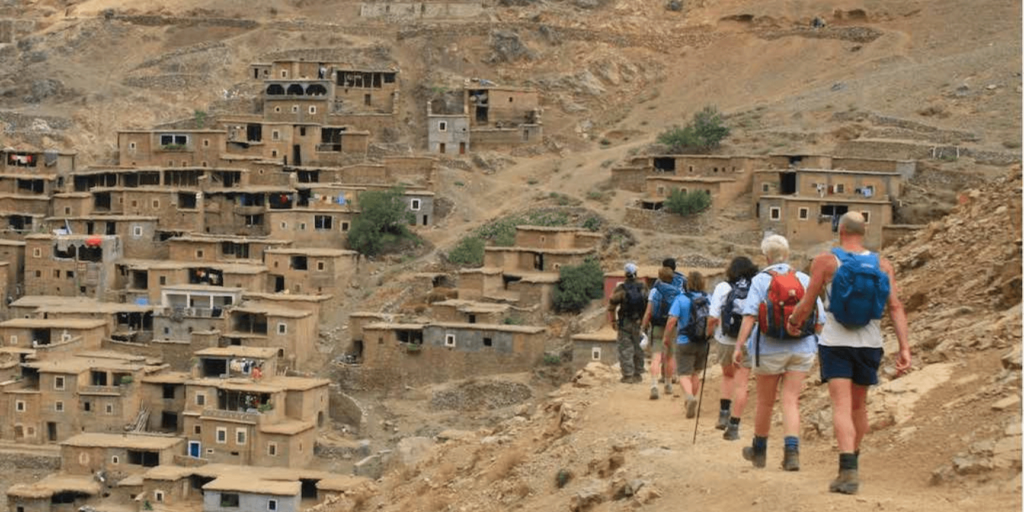
For many travelers, an Atlas trek is most rewarding when it is not treated purely as exercise. The trails connect communities, farms, valleys and traditional settlements. Walking gives you time to notice how villages are positioned against the mountains, how agriculture adapts to altitude and how dramatically the landscape changes over relatively short distances.
You do not need to begin with a major summit. A day hike from a mountain base can provide a strong outdoor experience without committing several days of your itinerary. Travelers with more time can build a longer route with overnight stays and a local guide.
The most important planning decision is matching the hike to the group. Distance alone does not tell the whole story. Elevation gain, heat, altitude, trail surface and the amount of time spent walking all affect difficulty.
Mount Toubkal — Morocco’s Signature Summit
Mount Toubkal is the most recognizable high-mountain objective in Morocco. For travelers who enjoy trekking and want a clear physical goal, reaching the summit can become the centerpiece of an Atlas itinerary.
But Toubkal should not be presented as a casual sightseeing walk. Even on a non-technical route, altitude, long walking hours, changing mountain weather and steep terrain make preparation important. Your general fitness, previous hiking experience and the season should all influence how you plan it.
Morocco’s official tourism information describes the Toubkal ascent as a multi-day trekking experience. A slower itinerary can also be more enjoyable because it gives the body more time to adjust while allowing travelers to experience the mountain environment rather than treating the trip as a race to the top.
In colder conditions, snow and ice can change the nature of the ascent considerably. Equipment and guiding needs should therefore be based on current conditions rather than on a generic packing list written months earlier.
Sahara Camel Trekking
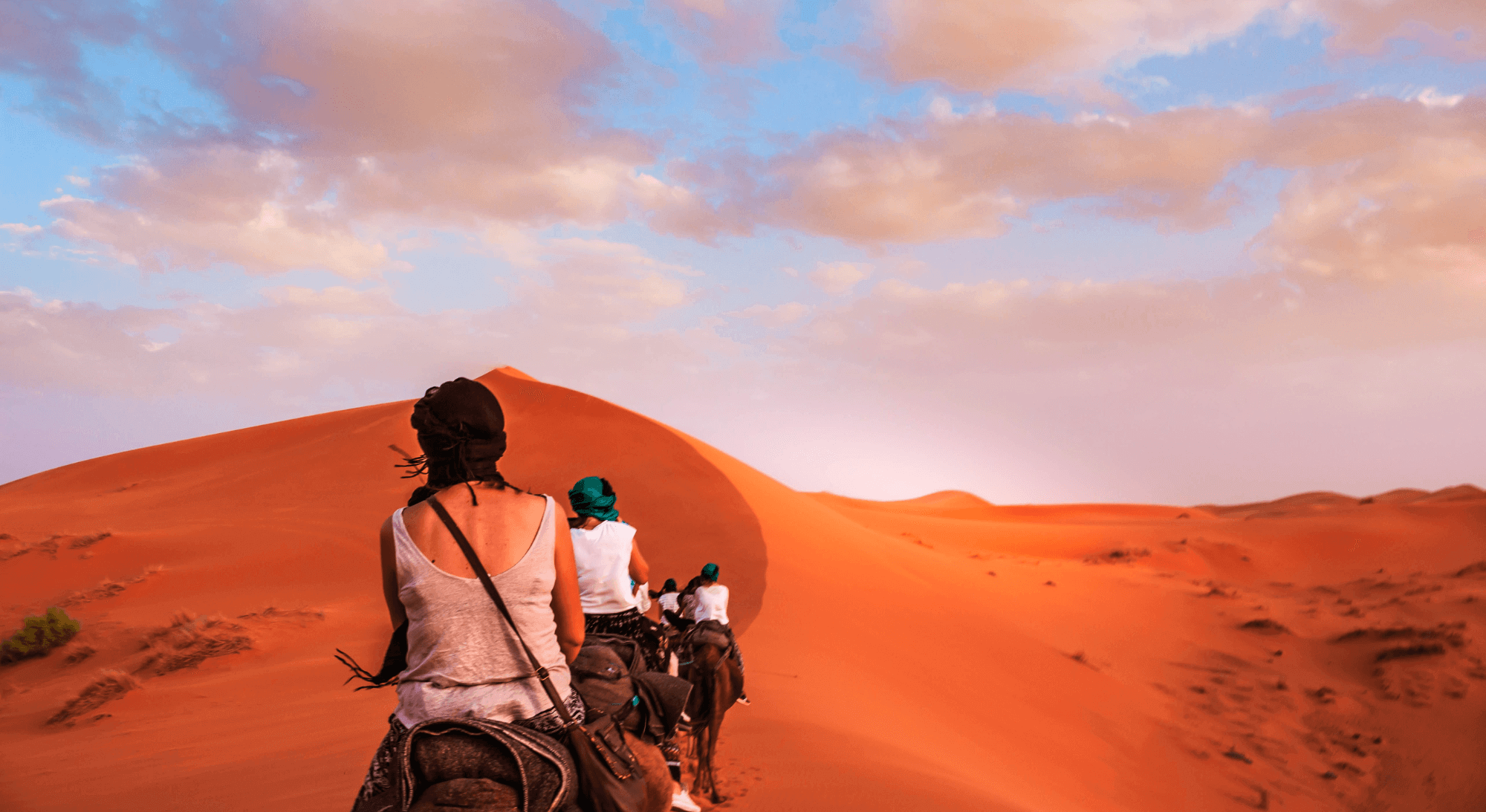
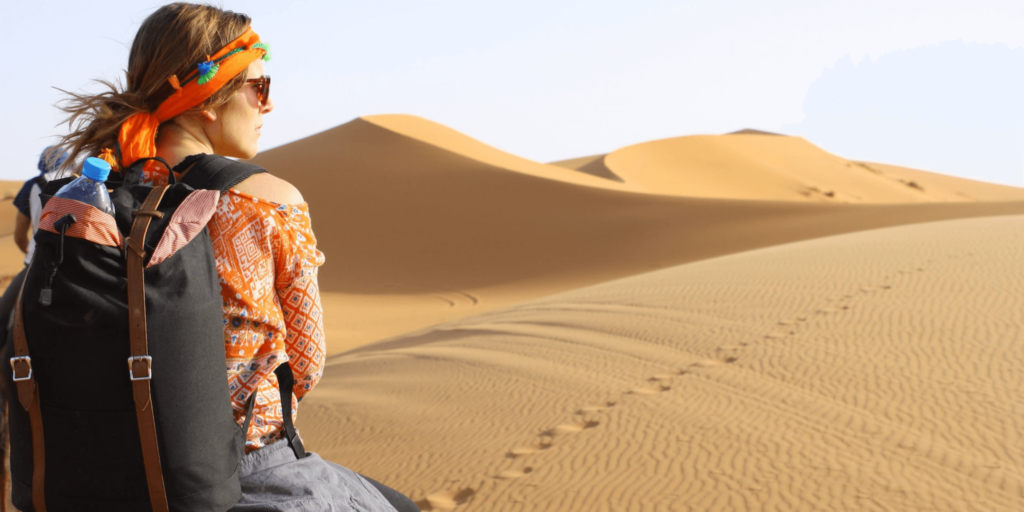
Camel trekking is one of the most approachable ways to add adventure to a first Morocco trip. It requires far less technical preparation than a mountain ascent, yet the sense of leaving paved roads behind and entering a dune landscape can feel dramatic.
Merzouga and the Erg Chebbi area are particularly well known for camel excursions. A common experience combines an afternoon or sunset ride with a desert camp, followed by sunrise the next morning.
Do not assume that longer automatically means better. Riding a camel uses the body differently from walking, and first-time riders may find a shorter journey more comfortable. If mobility, back or joint issues are a concern, discuss alternatives with your operator before the excursion.
Camel trekking also works best when it is viewed as part of a wider desert experience rather than merely transportation. Silence, changing light, dune shapes, the night sky and the slower pace are what make the Sahara memorable.
Desert Camp, Sunset and Sunrise
A desert camp is less physically demanding than trekking, but it can still be one of the strongest adventure experiences in Morocco. The adventure comes from the setting: reaching the dunes, leaving urban noise behind, watching sunset and spending the night in a landscape that feels entirely different from the imperial cities.
Comfort levels vary widely between camps. Some are relatively simple, while others offer private facilities and a much more polished experience. Decide whether you want rustic atmosphere, additional comfort or a balance between the two before booking.
Temperature changes deserve attention. Desert days can feel warm while nights can become surprisingly cool, particularly outside summer. Pack layers rather than assuming desert automatically means hot at every hour.
A desert night also pairs naturally with camel trekking, 4×4 exploration or sandboarding, which means travelers can create an active desert section without turning every hour into a strenuous activity.
Todra Gorge Hiking & Rock Climbing
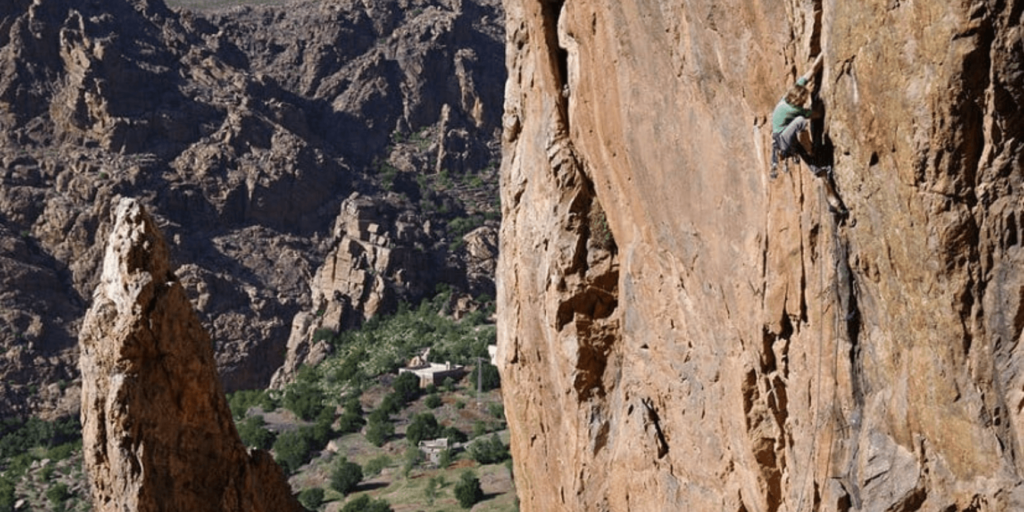
Todra Gorge offers a completely different type of landscape from the dunes and high mountain valleys. Sheer rock walls narrow around the road and riverbed, creating a natural setting that works both for sightseeing walks and serious climbing.
Experience It Tours also highlights Todra as one of Morocco’s important climbing areas, with routes at different levels. That range is useful because the destination can work for a traveler who simply wants to walk through the gorge as well as for a climber planning dedicated time on the rock.
If climbing is the goal, use an established climbing provider and suitable guide rather than treating technical climbing as an improvised activity. Route selection, equipment and conditions matter far more than they do on a casual canyon walk.
For a mixed group, Todra is especially convenient: some travelers can hike or explore the gorge while experienced climbers spend more focused time on the walls.
Mountain Biking Through Morocco’s Varied Terrain
Mountain biking belongs in a modern guide to Adventure Travel Tips for Morocco because the country’s landscapes change so quickly. Dirt tracks, mountain valleys, rural routes and desert-edge terrain can all create very different riding experiences.
A guided cycling day can be a good middle ground for travelers who want activity without planning an entire cycling holiday. More serious riders can build multi-day routes, but that requires greater attention to equipment, support vehicles, repair supplies, hydration and daily elevation.
The best route is not necessarily the roughest one. Scenic valley tracks with manageable gradients can provide just as much enjoyment as highly technical terrain, particularly when cycling is only one part of a larger Morocco itinerary.
Tell your operator honestly about your riding experience. “I ride a bike” can mean a relaxed city cycle for one person and technical mountain trails every weekend for another.
4×4 Desert Routes
A 4×4 excursion opens parts of southern Morocco that are difficult to appreciate from a standard paved transfer alone. Tracks through desert-edge landscapes, rocky plateaus and remote areas create a sense of exploration without requiring the fitness of a long trek.
The Moroccan National Tourist Office specifically promotes 4×4 experiences in desert regions such as Zagora and Agafay. For travelers who enjoy landscape photography, the value often comes from the route and stops rather than speed or extreme driving.
Use an experienced local driver who knows the terrain. Remote tracks can change with weather and conditions, and navigation in open desert landscapes should not be treated like an ordinary self-drive road.
Surfing in Taghazout & Along the Atlantic Coast
Morocco adventure travel does not end where the desert begins. The Atlantic coast offers an entirely different set of experiences, and surfing is one of the most established.
Taghazout is particularly associated with surfing, while Essaouira, Dakhla, Safi and other coastal locations also support different water-sport experiences. Morocco’s official tourism site promotes surfing and related activities along these coastal regions.
Beginners can arrange lessons with local surf schools rather than trying to interpret unfamiliar waves alone. More experienced surfers will care much more about swell, wind, break conditions and board choice.
Surfing also combines well with a slower travel rhythm. After several days crossing cities and mountains, a coastal stay can provide both activity and recovery before the next part of the route.
Village Walks & Rural Hiking
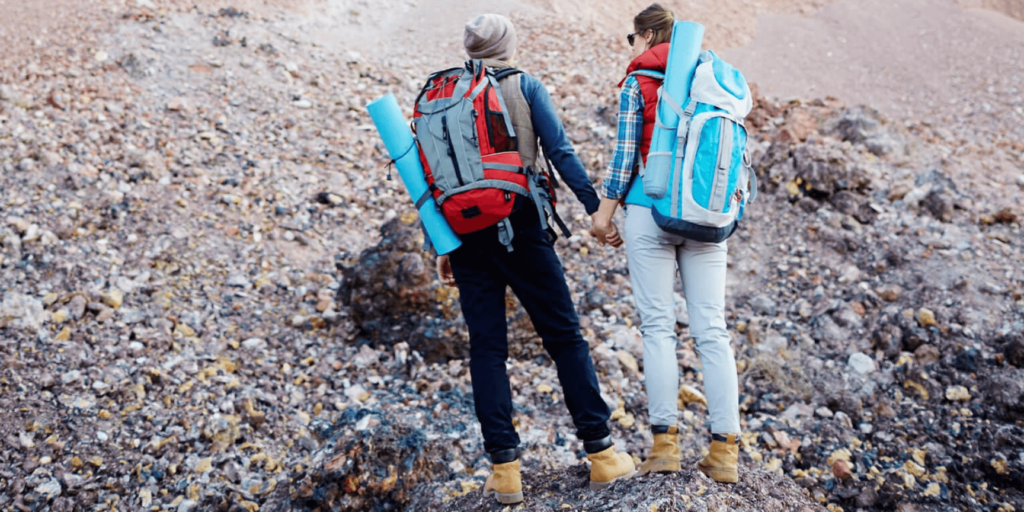
Not every walking adventure needs to end at a summit. Some of Morocco’s most rewarding outdoor experiences are slower routes connecting villages, agricultural terraces, valleys and traditional communities.
This type of hiking works particularly well for travelers who want culture and movement in equal measure. Instead of spending the entire day inside a vehicle, you experience the landscape at walking speed and have more opportunities to notice local architecture, farming and everyday life.
Village walks also make adventure travel accessible to a broader range of travelers. Routes can be adjusted for duration and difficulty, making them suitable for families, mixed-fitness groups or travelers who enjoy hiking but do not want a high-altitude challenge.
Respect matters. Rural communities are homes, not outdoor museums. Dress appropriately for the setting, ask permission before close-up photography and follow your guide’s advice when visiting villages.
Scenic Road & Motorcycle Adventures
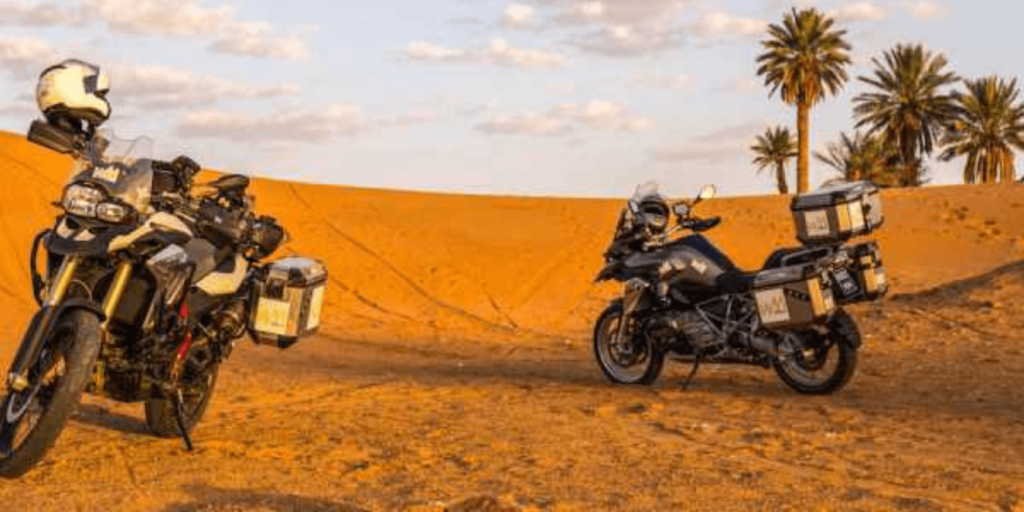
Some travelers prefer to experience Morocco through the journey between destinations. Mountain passes, oasis roads, desert approaches and coastal stretches can turn transportation into part of the adventure itself.
Motorcycle travel appeals to experienced riders because it creates a direct connection with the road and landscape. But it also requires much more planning than sitting in a private vehicle: licensing, insurance, equipment, road conditions, weather, fatigue and riding experience all matter.
You do not need a motorcycle to enjoy the same principle. A well-planned private road journey can include scenic stops, short walks and smaller routes between major destinations while allowing someone else to manage the driving.
For most visitors, the best road adventure is one where the schedule leaves enough time to stop. Morocco rewards travelers who can pull over for a viewpoint, village, café or unexpected landscape rather than racing from hotel to hotel.
Seasonal Rafting & Paddling Adventures
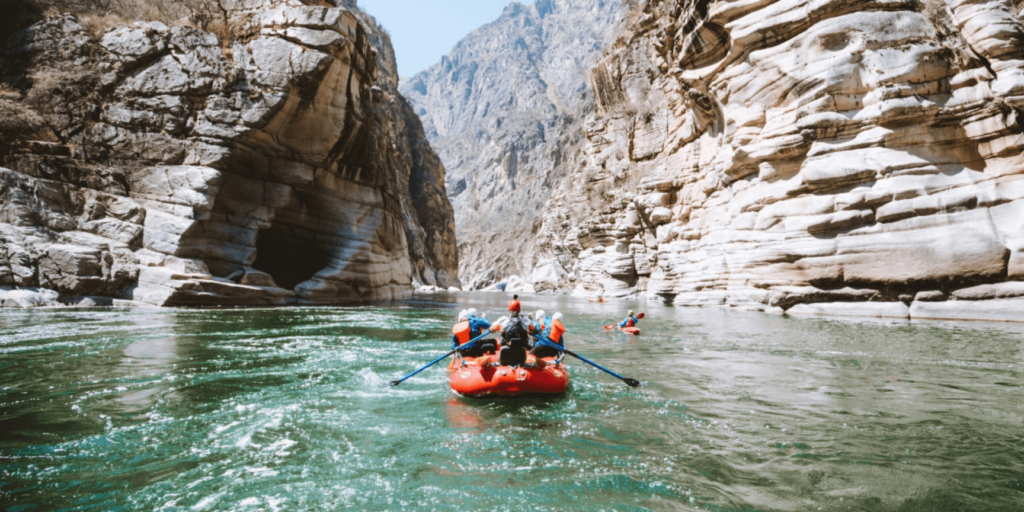
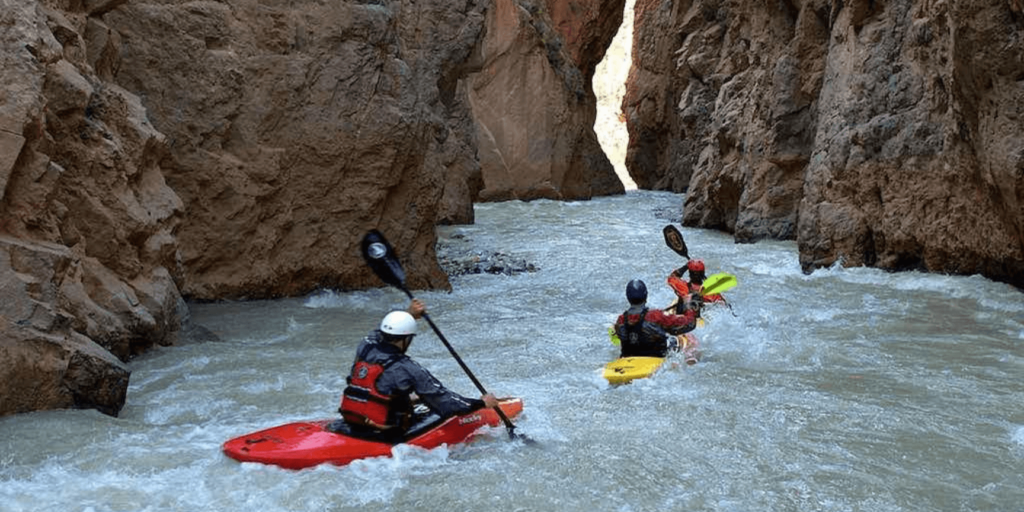
The older version of this article gave kayaking and rafting a very large role. They deserve to remain in the guide, but with better context: river activities in Morocco are more specialized and condition-dependent than hiking, surfing or desert experiences.
Water level, weather, operator schedules and the specific river section all affect availability. That means rafting or paddling should usually be confirmed with a specialist provider rather than treated as a guaranteed activity on every Morocco itinerary.
When conditions are suitable, river experiences can reveal mountain landscapes from a completely different perspective. Beginners should choose an appropriate professionally guided outing rather than assuming a calm-looking section is automatically simple.
If water sports are a major purpose of your trip, plan around the activity first and build the rest of the itinerary around confirmed local conditions.
Why Guided Water Activities Make Sense
Moving water changes constantly. Local operators understand access points, seasonal flow, equipment needs and which sections suit a particular skill level. For travelers without strong paddling experience, that local knowledge matters more than trying to create an independent river route from online descriptions.
Sandboarding & Dune Adventures
If camel trekking is the classic desert experience, sandboarding adds a more playful side. Morocco’s tourism authorities specifically mention sandboarding among activities available around Merzouga.
It is easy to understand the appeal: climb a dune, take in the view and descend on a board. The challenge is often the walk back up rather than the ride down.
Sandboarding works well as an optional activity around a desert camp because travelers can try it without restructuring the entire itinerary. It also suits mixed groups: some people can participate while others simply enjoy the dunes and photography.
As with any desert activity, heat and sun exposure matter. Time the activity sensibly, carry water and follow local advice about conditions.
Morocco Adventure Travel at a Glance
| Adventure | Best For | Difficulty | Best Area | Typical Time |
|---|---|---|---|---|
| Atlas Trekking | Nature + culture | Easy–Challenging | High Atlas | Half day–Multi-day |
| Mount Toubkal | Strong hikers | Challenging | High Atlas | Multi-day |
| Camel Trek | First-time adventurers | Easy | Merzouga | 1–3 hours+ |
| Desert Camp | Almost everyone | Easy | Sahara | Overnight |
| Todra Gorge | Hikers / climbers | Varies | Tinghir | Half day+ |
| Mountain Biking | Active travelers | Moderate+ | Atlas / South | Half day–Multi-day |
| 4×4 Desert Route | Scenery + exploration | Easy physically | South / Sahara | Half–Full day |
| Surfing | Coast lovers | Beginner–Advanced | Taghazout / Atlantic | 2 hours+ |
| Village Walking | Culture + hiking | Easy–Moderate | Atlas valleys | Half–Full day |
| Road Adventure | Scenic travelers | Varies | Atlas / South | Full day+ |
| Rafting / Paddling | Water-sport travelers | Condition dependent | Selected rivers | Seasonal |
| Sandboarding | Fun + desert | Easy–Moderate | Merzouga | Short session |
Atlas Mountains vs Sahara: Which Adventure Fits You?
Two of the most iconic Morocco adventure travel environments are the Atlas Mountains and the Sahara, but they create very different experiences.
The Atlas works best for hiking, trekking, biking, village walks and summit objectives. Your legs do more of the work, and the experience often combines physical activity with village and valley culture.
The Sahara focuses more on landscape, silence, camel rides, camps, dunes, 4×4 routes and sandboarding. You can make it active, but you do not need strong hiking fitness to enjoy the setting.
For many first-time visitors, the strongest itinerary includes both: a manageable Atlas experience followed by the desert. The contrast between mountain villages and open dunes is one of the reasons Morocco works so well for an adventure-focused journey.
Best Seasons for Adventure Travel in Morocco
There is no single best month for every activity. Morocco’s coast, mountains and desert have different climates, so choose the season according to the adventure you care about most.
Popular for trekking, road travel and combining cities, mountains and desert before peak summer heat.
Coastal activities and some mountain routes can work well, while desert and inland heat may require major itinerary adjustments.
Often comfortable for desert trips, hiking and multi-region itineraries after the hottest summer period.
Desert days can be appealing, but nights are cold. High mountain routes may involve snow and winter equipment.
What to Pack for a Morocco Adventure Trip
Packing should follow the itinerary. Someone doing an Atlas trek needs different equipment from a traveler taking a camel ride and staying in a comfortable desert camp.
Use footwear that you have already worn rather than testing brand-new boots on a mountain trail.
Temperatures can change between cities, mountains, desert days and evenings.
Hat, sunglasses and suitable sun protection are particularly useful in exposed mountain and desert environments.
Carry enough water for the planned activity and follow the advice of your local guide regarding refilling.
Keep water, layers, snacks, phone, power bank and small personal items accessible.
Save accommodation details, emergency contacts and useful maps before heading into remote areas.
For technology and packing accessories, see our Travel Gadgets for Morocco guide .
Guided vs Independent Adventure Travel
The answer depends on the activity. A casual town walk is very different from high-mountain trekking, technical climbing or a remote desert route.
7, 10 & 14-Day Morocco Adventure Ideas
Adventure does not need to dominate every day. The most enjoyable routes usually alternate physical experiences with cultural sightseeing, scenic drives and recovery time.
Marrakech, Atlas village hiking, scenic mountain roads and a slower final day. Best for travelers with limited time who want movement without long desert transfers.
Marrakech, Atlas activity, southern valleys, Todra region, Merzouga camel trek, desert camp and return through scenic southern Morocco.
Combine imperial-city culture with Atlas trekking, Todra, Sahara experiences and several slower days or an Atlantic coastal extension.
Browse our Morocco itineraries for routes that can be adapted around your preferred level of activity.
Practical Adventure Travel Tips for Morocco
The goal of preparation is not to remove adventure; it is to remove avoidable problems. Outdoor travel becomes much more enjoyable when your itinerary reflects the conditions and your ability.
Do not wait until you feel exhausted before drinking, particularly during warm-weather hiking or desert excursions.
Sun, wind, cold and altitude can all matter depending on the region and season.
Long driving days plus strenuous activity can make an otherwise excellent trip unnecessarily tiring.
If an operator needs to adjust a hike or activity, it is better for them to know before the activity begins.
Specialist activities require providers who understand the area, equipment and current conditions.
Weather and outdoor conditions may require route changes. A good adventure itinerary has room for that.
For broader practical planning, read our Safe Travel to Morocco guide .
Moroccan National Tourist Office — Trekking & Hiking →
Related Morocco Travel Guides
Adventure Travel Tips for Morocco FAQ
What are the best adventure activities in Morocco?
Popular Morocco adventure experiences include Atlas Mountains trekking, Mount Toubkal hiking, Sahara camel trekking, desert camping, Todra Gorge hiking and climbing, mountain biking, 4×4 desert routes, surfing and sandboarding.
Is Morocco good for adventure travel?
Yes. Morocco combines mountains, desert, coastline, gorges and rural landscapes in one country, allowing travelers to combine several types of outdoor activity within one itinerary.
Do I need to be very fit for adventure travel in Morocco?
Not necessarily. Morocco offers activities ranging from easy camel rides, scenic walks and 4×4 outings to demanding mountain ascents and technical climbing. Choose activities that match your actual fitness and experience.
How difficult is Mount Toubkal?
Mount Toubkal is a physically demanding mountain trek rather than a casual sightseeing walk. Difficulty changes with fitness, altitude, weather and seasonal conditions, so preparation and appropriate local guidance are important.
Where is the best place for camel trekking in Morocco?
Merzouga and the Erg Chebbi dune area are among Morocco’s best-known locations for camel trekking, often combined with sunset, sunrise and an overnight desert camp.
Can beginners try rock climbing in Morocco?
Some climbing areas offer routes suitable for different levels, but beginners should use a qualified climbing provider who can select an appropriate route and provide the necessary equipment and instruction.
Where can I surf in Morocco?
Taghazout is one of Morocco’s best-known surfing destinations. Essaouira, Safi, Dakhla and other Atlantic locations also offer surfing and related water-sport opportunities.
What is the best season for Morocco adventure travel?
It depends on the activity and region. Spring and autumn are popular for multi-region trips and hiking. Coastal activities can work through much of the year, while high mountains and the Sahara require more seasonal planning.
Is the Sahara suitable for first-time adventure travelers?
Yes. A Sahara section can be adapted for many travelers. Camel rides, desert camps, scenic 4×4 routes and sandboarding provide adventure without requiring high-level hiking fitness.
Should I book a guide for hiking in Morocco?
The need depends on the route and activity. Simple walks may be straightforward, while mountain, remote or technical activities benefit significantly from appropriate local expertise and current route knowledge.
What should I pack for adventure travel in Morocco?
Useful items include comfortable footwear, layered clothing, sun protection, water capacity, a lightweight daypack, phone, power bank and any activity-specific equipment recommended by your guide or operator.
Can I combine culture and adventure on the same Morocco trip?
Yes. This is one of Morocco’s strengths. Travelers can combine medinas and historic cities with Atlas hiking, village walks, Sahara experiences, coastal activities and scenic road journeys.
Build an Adventure Around the Experiences You Actually Want
A Morocco adventure does not need to follow a fixed formula. Altni Tours can help build a private route around your dates, fitness level and interests—whether that means an Atlas hike, a Sahara camp, coastal activities or a balanced journey combining outdoor experiences with Morocco’s cities and culture.
PLAN MY MOROCCO ADVENTURE