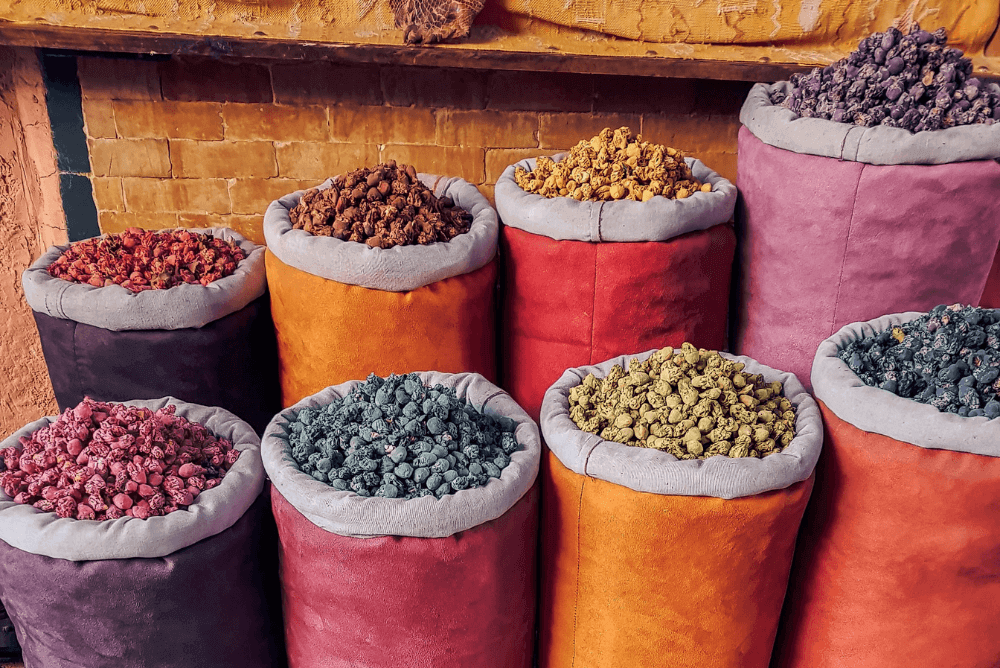
Morocco Packing Tips are easiest to understand when you stop thinking about a single “Morocco dress code” and start thinking about three practical things: comfort, climate and context. Morocco includes busy cities, conservative rural communities, Atlantic beaches, mountain villages and the Sahara, so the best outfit in one place may not be the best choice in another.
For most travelers, the goal is not to dress exactly like a Moroccan. It is to pack clothes that feel comfortable during long sightseeing days, work in different temperatures and fit naturally into the places you are visiting.
That usually means lightweight layers, breathable fabrics, comfortable walking shoes, a few more-covered pieces for cultural settings, and enough flexibility to move from a medina walk to a rooftop dinner without carrying an enormous suitcase.
This updated guide explains what to wear in Morocco for women and men, what to pack by season, how clothing needs change in Marrakech, Fes, Chefchaouen, the Sahara and Atlas Mountains, what works for camel riding, which shoes are most useful, what to wear at pools and beaches, and how to build practical 7, 10 and 14-day packing lists.
What to Wear in Morocco Without Overthinking It
You do not need a completely new wardrobe. Most travelers can build excellent Morocco outfits from clothes they already own.
Morocco Packing Tips: The Clothing Rules That Matter Most
Morocco does not require tourists to adopt one fixed style of clothing. Context matters much more than following a rigid list of prohibited and permitted items.
In modern neighborhoods, resorts and popular tourist areas you will see a wide variety of styles. In older medinas, rural towns, family environments and religious or traditional settings, clothing tends to be more conservative. Packing a wardrobe that can move between those contexts is more useful than trying to memorize a single dress code.
Loose-fitting clothing has several advantages beyond cultural considerations. It can feel more comfortable in warm weather, protects more skin from strong sun and works well when moving between outdoor heat and air-conditioned interiors.
A simple strategy is to build most outfits from lightweight tops, trousers or longer skirts, then carry a scarf or light overshirt when you want extra coverage. This is particularly useful on days when you are visiting several different places without returning to the hotel.
The second principle is layering. Morocco’s official tourism information emphasizes the country’s varied climate: the coast, inland cities, mountains and Sahara do not experience exactly the same conditions. A warm afternoon does not guarantee a warm desert or mountain evening.
Cotton, linen blends and other comfortable fabrics work well for city sightseeing.
A light jacket, cardigan or overshirt gives more flexibility than several bulky outfits.
Longer trousers, skirts and sleeves are useful in more traditional environments.
An attractive outfit loses value quickly if you cannot spend several hours exploring in it.
What Should Women Wear in Morocco?
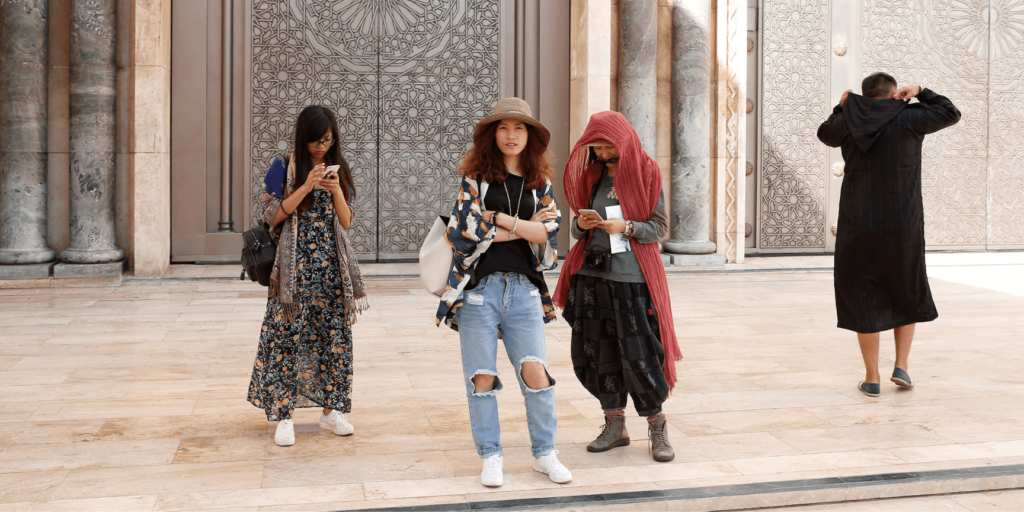
Women travelers do not need to cover their hair or dress exactly like Moroccan women for everyday tourism. A practical approach is simply to bring clothing that offers options. Loose shirts, T-shirts, lightweight button-ups, trousers, jeans, flowy pants, midi or maxi skirts and dresses can all work well depending on weather and location.
Instead of building the suitcase around strict modesty rules, think in terms of adaptability. A sleeveless top that feels comfortable at a hotel can be paired with an overshirt or cardigan when walking through a traditional neighborhood. A dress can work for dinner and also for daytime sightseeing if the fabric and shoes are practical.
A light scarf is particularly useful. It can provide sun protection, add warmth on a cool evening, dress up a simple outfit or offer additional coverage when you prefer it. There is generally no need to wear it on your head for ordinary sightseeing.
If your itinerary includes camel riding or hiking, trousers are usually more practical than skirts. For long road days, choose clothing that remains comfortable while sitting for several hours rather than building the outfit only around photographs.
A Simple Women’s Morocco Capsule
A compact travel wardrobe might include several breathable tops, two or three comfortable bottoms, one longer dress or skirt, a light outer layer, one scarf, walking shoes and a smarter outfit that can also be created from pieces already in the suitcase.
Neutral colors are easy to mix, but Morocco is also a wonderful place for color. There is no reason your packing list must be entirely beige. The priority is making sure each piece works with several others.
What Should Men Wear in Morocco?
For men, packing can be very straightforward. T-shirts, polos, lightweight button-up shirts, jeans, chinos and comfortable trousers all work well. Shorts are commonly worn by tourists, especially in warm weather and tourist-oriented areas, but longer trousers often feel more appropriate for formal dinners, traditional settings or cooler evenings.
There is no need to dress formally every day. However, one collared shirt or clean smart-casual top is useful if your itinerary includes an upscale riad restaurant, hotel dinner or special evening.
Sleeveless athletic tops are better suited to exercise, pool or beach contexts than to every setting on a cultural itinerary. Again, this is more about adapting to place than following a legal dress rule.
For summer, lightweight trousers can often be more comfortable than heavy denim because they offer sun protection without trapping as much heat. During cooler months, jeans or heavier trousers become more useful.
Pair with breathable trousers or weather-appropriate shorts.
One smart-casual shirt covers most nicer evening situations.
Think about sun, sand and cooler temperatures after sunset.
Choose functional layers and footwear according to the actual route.
What to Wear in Morocco by Season
Weather should influence your suitcase more than internet stereotypes about Morocco always being hot. Morocco has coastal, continental, mountain and desert climates, so a multi-region trip almost always benefits from layers.
T-shirts, breathable trousers, a light sweater or jacket and comfortable shoes create a flexible spring wardrobe.
Choose lighter fabrics, sun protection and comfortable clothing. Inland and southern areas can become very hot.
Warm days can continue while mornings and evenings become cooler. Pack one reliable outer layer.
Bring warmer layers. Mountains can be genuinely cold, and desert nights may feel much colder than daytime.
What to Wear in Marrakech, Fes, Chefchaouen, Sahara & Atlas
A Morocco packing list becomes much easier when you look at the actual route. You may need very different clothes for a rooftop afternoon in Marrakech and a cold mountain morning.
| Place | Best Clothing Approach | Useful Extra | Shoes |
|---|---|---|---|
| Marrakech | Breathable city clothes with optional extra coverage | Light layer / scarf | Walking shoes |
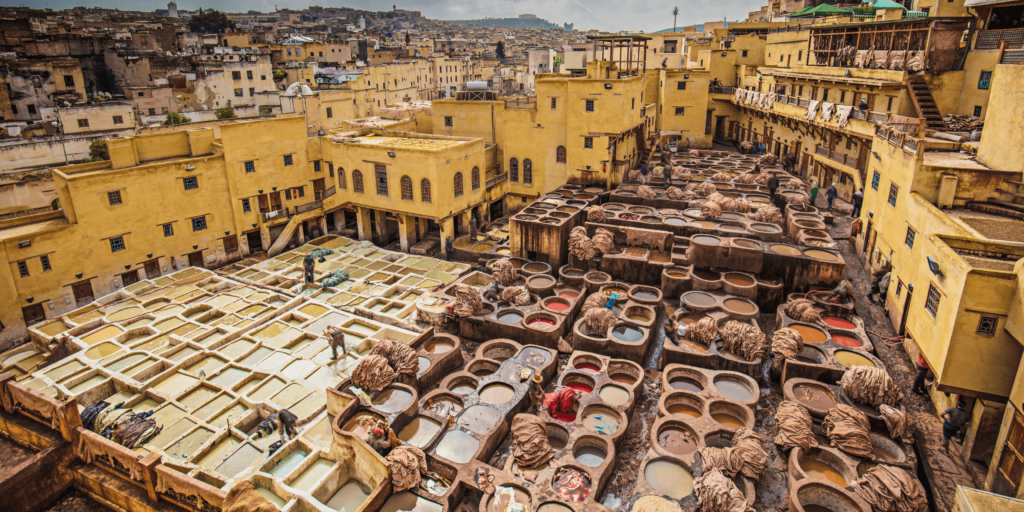
| Fes | Comfortable clothes for long medina walks | Crossbody or day bag | Supportive sneakers |
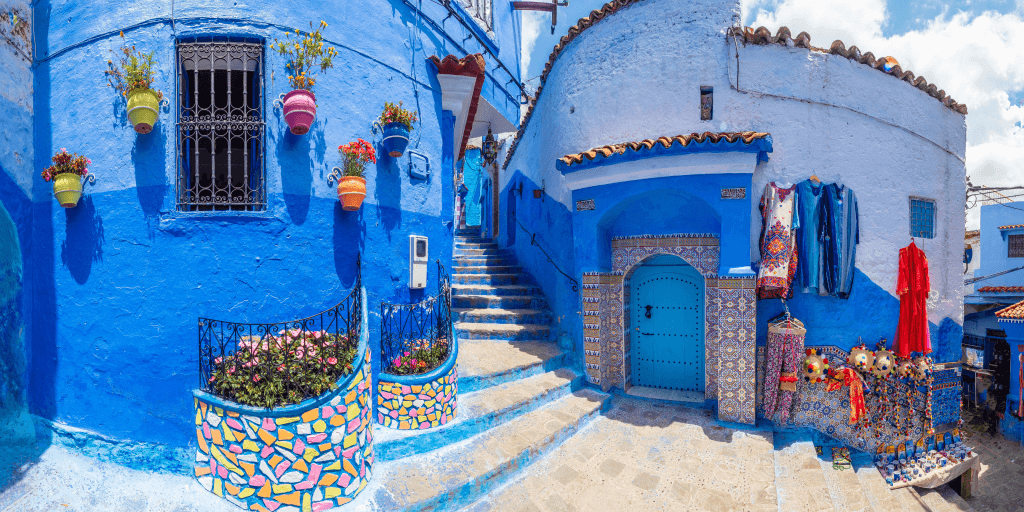
| Chefchaouen | Comfortable layers for hills and changing weather | Light jacket | Good-grip walking shoes |
| Sahara | Loose layers, sun coverage and evening warmth | Scarf / jacket | Closed shoes |
| Atlas Mountains | Activity-specific hiking layers | Warm layer | Trail or hiking shoes |
| Atlantic Coast | Casual coastal clothes with wind layer | Swimwear / cover-up | Sandals + walking shoes |
Choose clothing that works for medina walking but still feels comfortable at a riad lunch or rooftop dinner. A light overshirt can transform the same outfit from casual to more covered.
Fes can involve hours of walking through uneven medina streets. Build the outfit from the shoes upward rather than choosing footwear after the clothes.
The blue city is photogenic but also hilly. Comfortable footwear and a layer for cooler weather are more useful than fashion-only shoes.
Essaouira and other Atlantic destinations can feel cooler or windier than inland cities, so keep a light jacket or overshirt available.
What to Wear in the Sahara & for Camel Riding
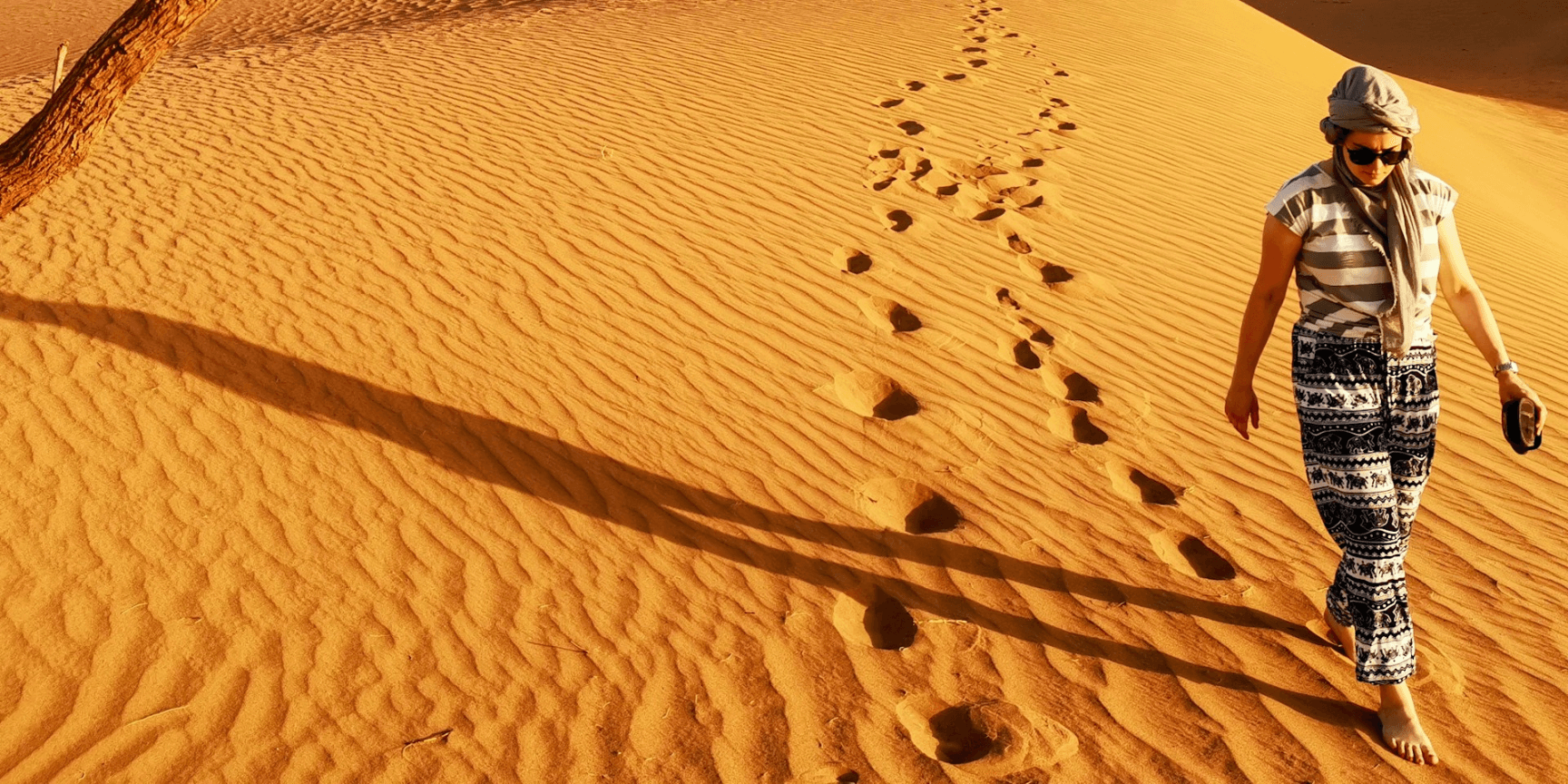
The Sahara is where many packing mistakes happen because travelers imagine only heat. Sun exposure matters during the day, but evening and early-morning temperatures can feel dramatically different depending on the season.
Loose trousers are one of the most practical choices for camel riding because they reduce exposed skin, work well while sitting and keep fabric from becoming awkward around the saddle. Lightweight long sleeves can also provide sun protection without requiring a heavy layer.
Closed shoes are helpful around hot sand, rocky surfaces and camps. Sandals can still be packed for relaxing, but they are not always the most comfortable choice for every desert activity.
A scarf is useful for sun, wind and blowing sand. You do not need to purchase specialized desert clothing before the trip. A lightweight scarf you already own can serve multiple purposes.
For an overnight camp, bring a warmer layer even if the afternoon feels hot. In winter in particular, a jacket or fleece can be far more useful than travelers expect.
Do You Need Traditional Moroccan Clothes?
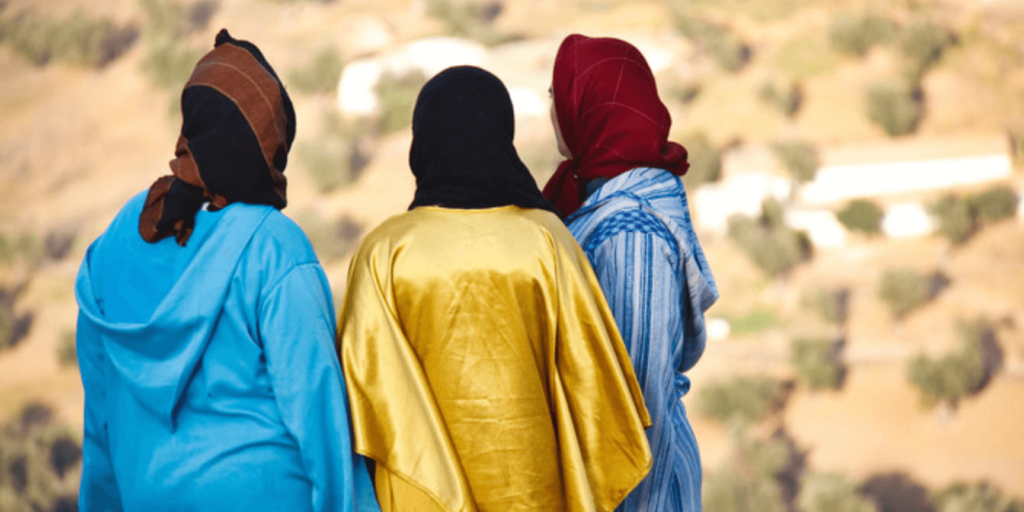
No. Traditional garments can be beautiful, practical and meaningful, but travelers do not need to purchase a djellaba or other traditional clothing simply to travel respectfully.
If you choose to buy Moroccan clothing during the trip, treat it as part of the cultural and shopping experience rather than as a requirement. A scarf is often the easiest practical item to incorporate into your existing travel wardrobe.
Best Shoes for Morocco
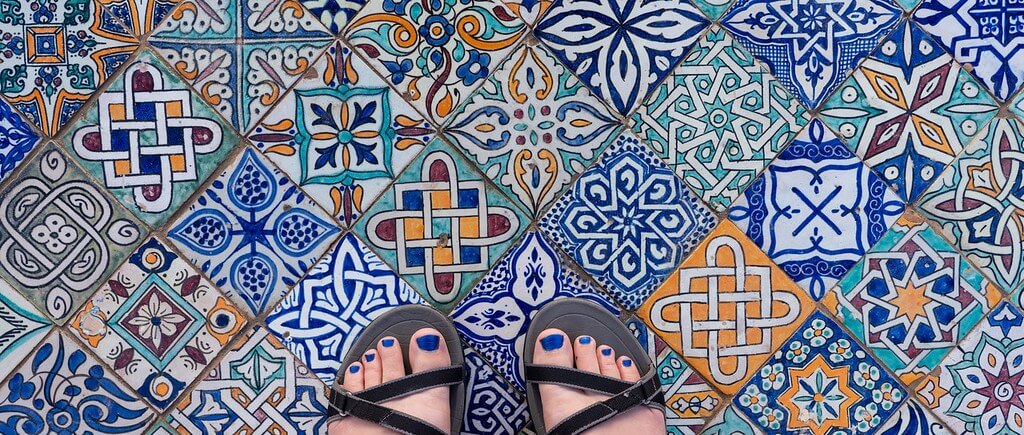
Footwear can have a bigger effect on your trip than almost any fashion choice. Morocco itineraries often include old medinas, stone surfaces, stairs, dusty paths, hotel courtyards and long sightseeing days.
A comfortable sneaker or walking shoe is the most versatile choice for most travelers. It should already be broken in before the trip. Morocco is not the place to discover that a new pair of shoes causes blisters after thirty minutes.
Walking sandals can be useful in warm weather, particularly on the coast, but choose supportive versions rather than thin fashion sandals if you expect to walk for several hours.
Hiking boots or trail shoes only become necessary when the itinerary justifies them. A traveler taking a challenging Atlas trek needs different footwear from someone spending two weeks visiting cities by private vehicle.
High heels are generally a poor choice for medina sightseeing. If you enjoy them for dinners, pack one compact evening pair rather than expecting them to double as daily footwear.
The Two-Pair Rule
For many Morocco trips, two main pairs are enough: one reliable walking shoe and one lighter alternative such as a supportive sandal or casual evening shoe. Add hiking footwear only when your itinerary includes real hiking.
This saves suitcase space and keeps packing focused on what you will actually wear rather than creating a different shoe for every possible situation.
Swimwear in Morocco
Many hotels, resorts and riads have pools, and Morocco also has extensive Atlantic and Mediterranean coastlines. Standard swimwear is commonly seen in tourist-oriented pool and beach settings.
The practical distinction is location. Swimwear that fits naturally at a hotel pool or beach is not ordinary street clothing for walking through a medina or town center. Bring a cover-up, shirt, dress or other easy layer for moving between the pool or beach and public areas.
Women do not need to assume that a bikini is automatically prohibited at a private hotel pool or tourist beach. Rules and atmosphere can differ by property, so check a specific hotel if you are unsure. Men will generally find ordinary swim shorts the simplest option.
If your itinerary does not include a pool, beach or hammam where you need swimwear, you may not need to pack it at all. Let the itinerary decide.
What to Wear at Religious & Traditional Sites
For traditional and religious environments, a more covered outfit is a sensible default. Long trousers or a longer skirt, a top that covers the shoulders and a light scarf available in your bag give you flexibility without requiring a special wardrobe.
Access rules vary by site. Follow signs, local instructions and your guide’s advice rather than assuming every religious building has the same policy.
The goal is straightforward: dress in a way that feels respectful to the environment while remaining comfortable. The same outfit can often be used for medina sightseeing, rural visits and cultural stops, which is another reason versatile clothing is better than overpacking.
What to Wear for a Nice Riad or Restaurant Dinner
Morocco does not require formal evening wear for ordinary travelers, but one smart-casual outfit is useful. A nice dress, blouse with trousers, button-up shirt, polo or clean smart trousers can make an evening meal feel a little more special without using much suitcase space.
The most efficient approach is to dress up pieces you already packed rather than bringing an outfit that works only once. A scarf, simple jewelry, nicer shirt or different shoes can change the feel of the same base wardrobe.
If your itinerary includes a wedding, formal event or very high-end venue, ask specifically about attire. Otherwise, polished smart casual is enough for most tourist dining settings.
Djellabas, Kaftans, Babouches & Scarves
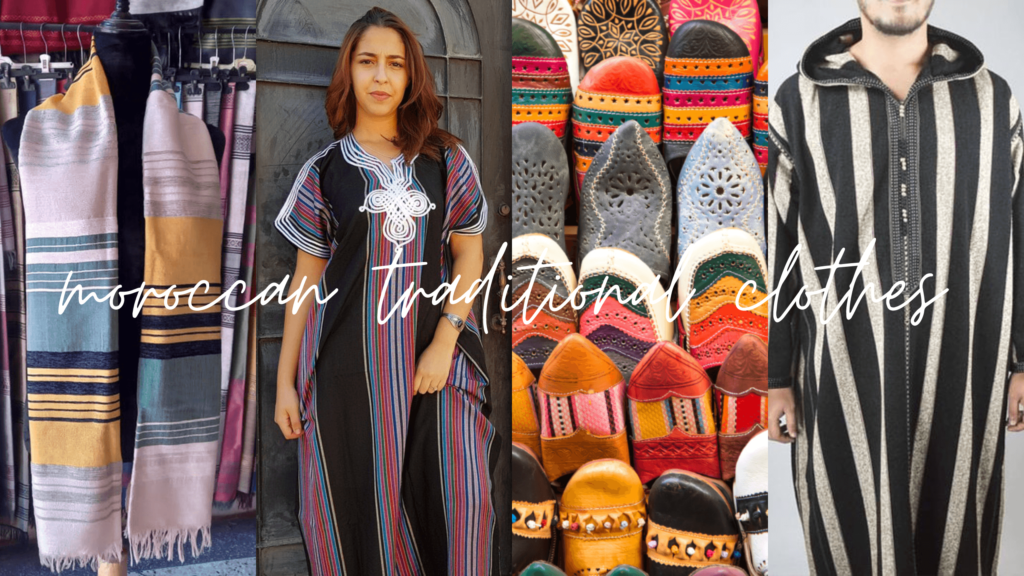
Traditional Moroccan clothing can become one of the most enjoyable shopping experiences of the trip. The djellaba is a loose robe-like garment worn in different styles by both men and women, while kaftans are often more decorative and associated with special occasions.
Babouches—traditional leather slippers—come in many colors and designs. They make appealing souvenirs, though their comfort and durability for long outdoor walks depend heavily on how they are made.
Handwoven scarves are one of the easiest Moroccan textile purchases to use immediately. They take little suitcase space and can remain practical during the rest of the journey.
Leave a Little Space in Your Suitcase
If you enjoy textiles, leatherwork or traditional clothing, avoid packing your suitcase completely full before arrival. Morocco offers many items that can become both useful wardrobe pieces and meaningful souvenirs.
The Morocco Capsule Wardrobe
The exact number depends on laundry access and trip length, but a small group of mix-and-match pieces can cover most sightseeing, driving and dining situations.
7-Day, 10-Day & 14-Day Morocco Packing Lists
Trip length does not need to increase clothing volume in a straight line. Laundry access and repeatable outfits matter more than packing fourteen completely different looks.
Aim for 4–5 tops, 2–3 bottoms, one light layer, one smarter option, walking shoes, underwear and activity-specific items such as swimwear.
Add an extra top or bottom and focus on layers if your route crosses mountains, desert and cities. Plan one laundry opportunity if needed.
You rarely need fourteen outfits. Build a versatile capsule, repeat trousers and outer layers, and wash lighter tops during the trip.
What to Keep in Your Carry-On
Even when most clothes go in checked luggage, keep enough in your carry-on to handle a delayed suitcase comfortably.
A fresh top, underwear and simple bottom can save the first day if checked luggage is delayed.
Useful on the plane and immediately after arrival if the evening is cooler than expected.
Keep irreplaceable personal essentials in your carry-on rather than checked luggage.
Keep your important electronics accessible during the journey.
For electronics and accessories, see our Travel Gadgets for Morocco guide .
What You Probably Don’t Need to Pack
A useful Morocco packing list should remove unnecessary items as well as add them.
One walking pair plus a lighter alternative covers most trips.
One smart-casual combination is usually enough.
Use breathable layers and pack warmth only according to your actual regions.
Most travelers already own clothing that works perfectly well in Morocco.
Choose pieces that can move from sightseeing to dinner with small changes.
Do not carry hiking boots or technical clothing unless the itinerary genuinely needs them.
Weather Can Change Your Packing List
Morocco’s geography creates very different conditions between the coast, inland cities, mountains and Sahara. Before departure, check the forecast for every major region on your itinerary rather than looking only at Marrakech or Casablanca.
The Moroccan National Tourist Office provides an official overview of Morocco’s climate and seasons, including the difference between coastal, inland, mountain and desert regions.
Related Morocco Travel Guides
Morocco Packing Tips FAQ
What should tourists wear in Morocco?
Tourists can wear normal travel clothing in Morocco. Comfortable, breathable and adaptable outfits work best. More-covered clothing is useful in traditional, rural or religious settings, while tourist hotels, beaches and resorts are generally more relaxed.
Do women have to cover their hair in Morocco?
No. Female tourists generally do not need to cover their hair for ordinary sightseeing. A light scarf is still useful for sun protection, warmth and situations where additional coverage feels appropriate.
Can women wear pants in Morocco?
Yes. Trousers, jeans, wide-leg pants and other comfortable bottoms are normal practical options for women travelers. Loose or breathable trousers are especially useful for long sightseeing days and camel riding.
Can tourists wear shorts in Morocco?
Yes, tourists do wear shorts in Morocco, particularly in warmer and tourist-oriented areas. Longer shorts or trousers can be more versatile when visiting traditional neighborhoods, cultural sites or more conservative rural settings.
Can I wear a bikini in Morocco?
Standard swimwear, including bikinis, may be seen at tourist hotels, resorts and beaches. Use a cover-up or normal clothing when leaving the beach or pool area, and check any specific property rules if you are unsure.
What shoes should I wear in Morocco?
Comfortable sneakers or supportive walking shoes are the best all-round choice for most trips. Add supportive sandals for warm weather and hiking footwear only if your itinerary includes serious trekking.
What should I wear for a camel ride in Morocco?
Comfortable trousers, a breathable top, closed shoes and sun protection work well for camel riding. Bring a warmer layer for evening or early-morning desert experiences.
What should I wear in the Sahara at night?
Desert evenings can be cooler than daytime, especially outside summer. Pack a sweater, fleece or jacket appropriate to the season rather than assuming the desert stays hot all night.
What should I wear in the Atlas Mountains?
Wear clothing suited to the actual activity and season. Hiking layers, good footwear, sun protection and a warm layer are useful, while winter conditions at higher elevations may require substantially warmer equipment.
Do I need formal clothes in Morocco?
Usually not. One smart-casual outfit is enough for most nicer restaurants, hotels and riads. Bring more formal clothing only if your itinerary includes a specific event or venue that requires it.
How much clothing should I pack for two weeks in Morocco?
You do not need fourteen separate outfits. Pack a mix-and-match wardrobe with several tops, a few bottoms, useful layers, comfortable shoes and activity-specific items, then plan to repeat pieces or use laundry during the trip.
What should I not wear in Morocco?
There is no single prohibited tourist wardrobe for ordinary travel. The most useful approach is to avoid clothing that is uncomfortable for the weather, activity or setting, and keep more-covered options available for traditional or cultural environments.
Your Morocco Packing List Should Match Your Itinerary
A city-focused trip, an Atlas adventure and a Sahara journey do not need exactly the same suitcase. Altni Tours can help design a private Morocco itinerary around your dates, interests and pace—and give you practical guidance for the regions and experiences included in your trip.
PLAN MY MOROCCO TRIP