
Desserts and Sweets in Morocco: 13 Must-Try Moroccan Treats
Desserts and Sweets in Morocco are part of much more than the end of a meal. They appear beside mint tea, during Ramadan, at family celebrations, in neighborhood bakeries, at market stalls and around the breakfast tables of traditional riads.
Some Moroccan sweets are rich with almonds, sesame and honey. Others are simple and light, such as orange cake or cinnamon-dusted fruit. Street treats such as sfenj and sugared peanuts add another side to the experience, especially when they are eaten fresh while exploring a medina.
This guide introduces 13 sweets, desserts and sweet traditions to look for during a Morocco journey, including Meskouta, ghriba, sellou, chebakia, baghrir and Moroccan mint tea.
Why Desserts and Sweets in Morocco Are Part of the Journey
Moroccan sweets are closely connected with hospitality. A tray of small pastries may arrive with tea when guests visit. Cakes and pancakes can be part of breakfast or afternoon tea, while particular preparations become especially visible during celebrations and Ramadan.
Travelers do not necessarily need a formal dessert tasting to experience this side of Morocco. You may discover something memorable at a bakery in Fes, a café in Marrakech, a market stall, a riad breakfast or during tea with a local host.
Almonds, sesame, honey, cinnamon, citrus and orange blossom are recurring flavors, but they appear in very different textures: crisp cookies, soft cakes, spongy pancakes, fried dough and honey-coated pastries.
Morocco’s official tourism information also highlights traditional Moroccan pastries and mint tea as part of the country’s culinary identity. Explore Morocco’s official food and drink guide →
Cookies, cakes and pastries naturally accompany Moroccan tea and conversation.
Ramadan, family gatherings and celebrations bring particular sweets to the table.
Sfenj and simple snacks can be especially memorable when freshly prepared.
Honey, almonds, sesame, cinnamon and orange blossom appear throughout Morocco’s sweet traditions.
13 Desserts and Sweets in Morocco to Look For
From traditional cookies and Ramadan favorites to fried street sweets, pancakes, cakes and refreshing fruit desserts, Morocco’s sweet side offers a wide range of flavors and textures.
Meskouta Cake
Meskouta is a simple Moroccan home-style cake. Orange versions are particularly appealing because fresh juice and zest give the cake a bright citrus aroma while keeping the flavor light.
Its texture is soft and tender, making it a natural companion to Moroccan mint tea or coffee.
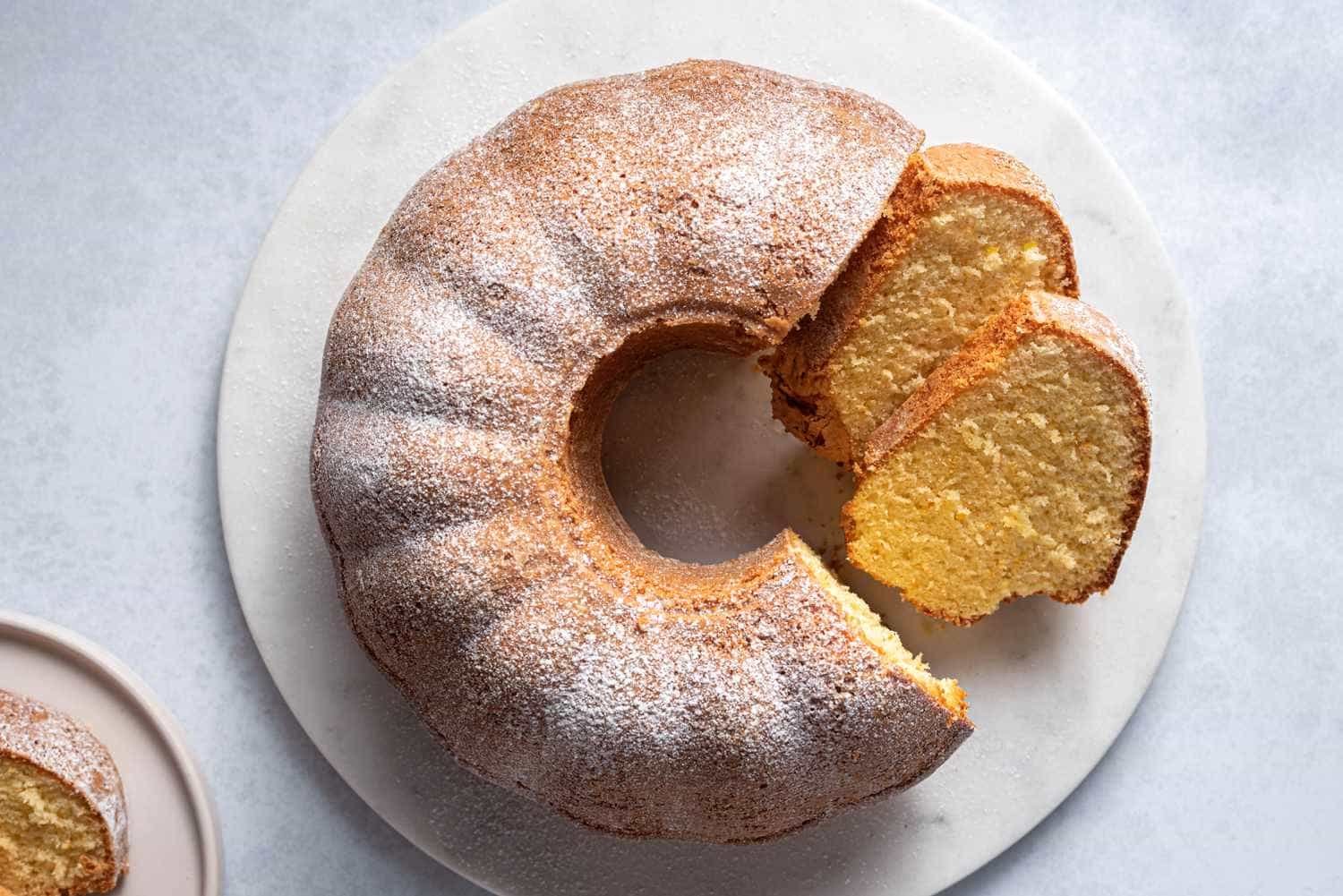
Moroccan Orange Cake
A soft and fragrant Moroccan cake that works especially well with tea.
Make it at home with our Easy Moroccan Orange Cake Meskouta recipe →
Moroccan Cookies & Ghriba
Ghriba is better understood as a family of Moroccan cookies rather than one single recipe. Different versions may use almonds, sesame, coconut, flour or other ingredients.
Some varieties are tender and crumbly, while others have the cracked surface associated with many styles of Moroccan ghriba.
Buying a small mixed selection from a bakery is an easy way to compare several flavors and textures during the same tea break.

Moroccan Ghriba
Moroccan cookie recipes vary by ingredients, texture and regional style.

Different Flavors and Textures
Almond, sesame and coconut create very different Moroccan cookies.
Sellou
Sellou is quite different from a cake or cookie. It is a rich Moroccan preparation made from toasted ingredients that commonly include flour, almonds and sesame, with aromatic spices bringing the mixture together.
Its texture is dense, crumbly and nutty, so a relatively small serving can be satisfying.
Sellou is closely associated with special occasions and is particularly familiar during Ramadan.
Learn how it is prepared in our Moroccan Sellou recipe →
Chebakia
Chebakia is one of Morocco’s most recognizable pastries. The dough is carefully shaped, fried and then coated with honey before being finished with sesame seeds.
The result combines crisp edges, sticky sweetness and the toasted flavor of sesame.
Chebakia is especially associated with Ramadan and is commonly served beside harira when the fast is broken.

Honey, Sesame and Moroccan Tradition
Chebakia’s distinctive shape and honey coating make it instantly recognizable.
See how it is prepared in our Moroccan Chebakia recipe →
Sugared Peanuts
Sugared peanuts offer one of the simplest sweet experiences in Morocco: roasted peanuts surrounded by a crisp caramelized sugar coating.
They are easy to enjoy while walking through a market or medina and can provide a quick contrast to richer pastries.

Sweet and Crunchy Street Food
Caramelized sugar turns a familiar peanut into an easy market snack.
Moroccan Mint Tea
Mint tea is a beverage rather than a dessert, but it belongs naturally in a guide to Moroccan sweets because cakes, cookies and pastries are often served beside it.
Tea can appear as a welcome at a riad, after a meal, during shopping or simply as a reason to slow down and talk.

The Perfect Partner for Moroccan Sweets
Tea is often as important as the pastry served beside it.
Moroccan Pastries
Moroccan bakery counters can combine traditional Moroccan sweets with French-influenced pastries, producing an especially varied display.
Croissants, chocolate pastries, almond sweets and mille-feuille may all appear beside one another.

Morocco’s Bakery Culture
Traditional sweets and café pastries often share the same counter.
Sfinge / Sfenj
Sfenj is Morocco’s street-style doughnut. The simple dough is shaped into a ring and fried until the exterior develops color while the interior remains soft and chewy.
It can be eaten plain or with sugar and is particularly enjoyable when bought fresh from the fryer.

Morocco’s Street-Style Doughnut
Fresh preparation makes all the difference with this simple fried dough.
Chocolate Danette
Chocolate Danette is a modern packaged pudding rather than a traditional Moroccan recipe, but it represents the ordinary everyday snacks travelers may notice in neighborhood shops.
It is smooth, chocolatey and convenient when you want something simple and familiar.

An Everyday Sweet Snack
Travel food includes modern everyday treats as well as traditional recipes.
Baghrir
Baghrir is instantly recognizable because of the tiny holes that form across its surface during cooking.
The holes create a soft and spongy texture while helping the pancake absorb honey, butter or other sweet toppings.

Morocco’s Thousand-Hole Pancakes
Their distinctive surface is perfect for absorbing honey and butter.
Rice Pudding
Moroccan-style rice pudding provides a creamy change from cookies and fried pastries.
Versions may include cinnamon, orange blossom, coconut or nuts such as almonds and pistachios.

A Creamy Moroccan Sweet
Cinnamon and floral notes give this simple dessert extra character.
Cinnamon Oranges
Cinnamon oranges provide a light and refreshing finish after a substantial Moroccan meal.
Fresh orange slices are paired with cinnamon and may be lightly scented with orange blossom water.

Simple, Fresh and Fragrant
Fresh oranges and cinnamon create one of Morocco’s lightest desserts.
Baklawa
Baklawa combines thin pastry layers with nuts and a sweet syrup or honey finish.
Almonds fit naturally into Morocco’s sweet traditions because they appear throughout local pastry making and celebration foods.
Baklawa is rich, so a relatively small piece beside mint tea or coffee can be enough. Its appeal comes from the contrast between crisp pastry, nuts and syrup.

Flaky Layers, Nuts and Sweet Syrup
Crisp pastry and nut filling give Baklawa its characteristic rich texture.
Where Should You Try Moroccan Sweets?
Different settings are better for different kinds of Moroccan sweets.
Look for ghriba, almond pastries, chebakia and mixed pastry selections.
Meskouta, Baghrir and mint tea feel especially natural in a relaxed setting.
Look for fresh sfenj, sugared peanuts and other simple snacks.
Go Deeper With a Moroccan Cooking Experience
One of the best ways to understand Moroccan food is to move beyond tasting and see how ingredients are handled in the kitchen.
Cooking experiences can include market visits, spices, tea, bread, tagines or traditional sweets depending on the class.
If desserts are especially important to you, ask whether pastry or dessert preparation can be included.
Learn Moroccan Food From the Kitchen
Markets, ingredients and hands-on cooking can add another dimension to your Morocco journey.
Moroccan Sweet Recipes & Travel Inspiration
Desserts and Sweets in Morocco FAQ
What are the most popular desserts and sweets in Morocco?
Popular Moroccan sweets include chebakia, ghriba, Meskouta, sellou, sfenj, baghrir, almond pastries and other traditional bakery sweets. Mint tea is commonly served alongside many of them.
What Moroccan sweet should I try first?
Chebakia is a good choice if you enjoy honey and sesame, while ghriba works well for cookie lovers. Meskouta orange cake is lighter, while fresh sfenj provides a classic street-food experience.
What sweets are eaten during Ramadan in Morocco?
Chebakia and sellou are strongly associated with Ramadan. Chebakia is commonly served alongside harira when the fast is broken.
Is Moroccan mint tea a dessert?
No. Mint tea is a beverage, but it is closely connected with Morocco’s sweet culture because cakes, cookies and pastries are frequently served beside it.
Where can I buy Moroccan pastries?
Traditional pastry shops, bakeries, cafés and medina markets are good places to find Moroccan cookies and pastries.
What is the difference between sfenj and baghrir?
Sfenj is fried dough with a chewy interior and lightly crisp exterior. Baghrir is a soft semolina pancake covered in small holes that absorb honey, butter and other toppings.
What flavors are common in Moroccan sweets?
Almonds, sesame, honey, cinnamon, orange blossom, citrus and sugar are common ingredients and flavors across many Moroccan desserts.
Can Altni Tours include a cooking class in my Morocco trip?
Yes. Altni Tours can include Moroccan cooking experiences in a private itinerary depending on your route, interests, dates and available time.
Add Morocco’s Food Culture to Your Private Journey
Tell us how many days you have, where you want to travel and the experiences that interest you most. Altni Tours can connect Morocco’s medinas, historic cities, mountains and Sahara with markets, local food, cooking experiences and time to simply enjoy tea and something sweet.
Plan My Morocco Trip →Individual pastry selections, cooking-class schedules and market offerings can vary by destination, season and establishment.