
Chebakia Cookies Recipe – Moroccan Sesame and Honey Cookies
Learn how to make Moroccan Chebakia from sesame-rich spiced dough, shape the traditional flower design, fry until golden and finish each cookie in warm orange blossom honey.
This Chebakia Recipe shows you how to make one of Morocco’s most recognizable sweets: intricately folded sesame cookies fried until golden, soaked in fragrant honey and finished with toasted sesame seeds.
Chebakia is also known in Morocco by names such as Halwa Chebakia and Mkharka. Its flavor comes from much more than honey. Toasted sesame, anise, cinnamon, saffron, orange flower water, olive oil and butter create a pastry that is fragrant, nutty and deeply connected with Moroccan food traditions.
The most challenging part of a traditional Chebakia Recipe is usually not mixing the dough—it is learning how to cut, thread and turn the strips into the distinctive flower shape.
This guide takes you through the complete process from toasted sesame and dough preparation to shaping, frying, honey soaking, garnishing and storing the finished Moroccan Chebakia.
Chebakia is easiest to finish when the workflow is organized. The fried pastry should move from the oil into warm honey while it is still hot, then drain before being sprinkled with toasted sesame.
Chebakia Recipe: What Is Moroccan Chebakia?
Chebakia is a traditional Moroccan pastry made from a sesame-rich spiced dough that is rolled thin, cut into rectangles, shaped into flower-like forms, fried and then soaked in honey flavored with orange flower water.
The result is neither a conventional cookie nor an ordinary fried dough. The many folded layers create crisp edges and softer interior folds, while the warm honey settles into the pastry and gives it its characteristic glossy finish.
Toasted sesame appears twice in this Chebakia Recipe: a portion is finely ground into the dough and another portion is used as the final garnish.
Why Is Chebakia So Closely Connected With Ramadan?
Chebakia is available beyond Ramadan, but the pastry has a particularly strong association with the month of fasting in Morocco. Families often prepare or buy it in quantity ahead of Ramadan.
At the evening meal that breaks the fast, its honey sweetness provides a familiar contrast to savory foods such as Harira.
Moroccan soup commonly associated with the Ramadan evening meal.
Sesame pastry fried, soaked in honey and finished with toasted sesame.
Another familiar food served when the daily fast is broken.
Chebakia Recipe Ingredients
Measure and prepare the ingredients before starting. Chebakia becomes much easier when the dough, shaping and frying stages are organized in advance.
Ingredient Notes for a Better Chebakia Recipe
The long ingredient list can make a Chebakia Recipe look more complicated than it really is. Most ingredients fall into three groups: flour and structure, fats and liquids, and spices and aromatics.
Toast them first. The portion used in the dough is ground until powdery and moist enough to pack together.
It appears in both the dough and the honey and contributes an important floral aroma.
Crumble the threads so they distribute more evenly throughout the dough.
This is optional. If using it, crush the grains with the small amount of sugar before adding them.
Dissolve the active dry yeast in the measured warm water before incorporating it into the dough.
Warm it for the finishing stage so freshly fried pastries can absorb the coating more effectively.
Prepare the Sesame Seeds
Toast the Sesame
Begin with toasted sesame seeds. Allow them to cool completely before processing them for the dough.
Grind Until Powdery
Process the toasted sesame until it becomes powdery. Continue processing until the ground sesame develops enough natural moisture to press or pack together.
Prepare the Mastic
If using mastic gum, combine it with the granulated sugar and crush the mixture into a fine powder.
How to Make Chebakia Recipe Dough
A successful Chebakia Recipe needs a dough that is firm enough to roll and cut cleanly but still pliable enough to fold without breaking.
Combine the Dry Ingredients
In a large bowl, combine the ground sesame, mastic-sugar mixture if using, flour, baking powder, salt, ground anise, cinnamon, saffron and yellow colorant or turmeric.
Add the Wet Ingredients
Add the egg, melted butter, olive oil, vinegar, orange flower water and dissolved yeast.
Form the Dough
Mix with your hands until a dough forms. Add a little more flour only if needed. The finished dough should be rather stiff but still pliable enough to roll and shape.
Knead Thoroughly
Knead by hand for approximately 7 to 8 minutes, or use a stand mixer fitted with a dough hook for about 4 to 5 minutes.
Divide and Rest
Divide the dough into four portions. Shape each portion into a smooth mound and cover well. Let the dough rest for 10 to 15 minutes.
How to Roll and Cut Chebakia
Work with one portion of dough at a time and keep the remaining portions covered so they do not dry out.
Roll the Dough Thin
Roll one portion on a lightly floured work surface until it is approximately the thickness of a thin piece of cardboard.
Cut the Rectangles
Using a fluted pastry wheel or pastry cutter, cut rectangles approximately 3 × 3 1/2 inches.

A fluted pastry wheel creates the decorative edges used in traditional Moroccan Chebakia.
Make Four Interior Cuts
Make four evenly spaced lengthwise cuts inside each rectangle. Do not cut through the outside edges. The rectangle should contain five connected strips.
Chebakia Recipe: How to Make the Traditional Shape
The flower shape is the part of the Chebakia Recipe that usually takes the most practice. Work slowly with the first few pieces.
Thread Alternate Strips
Thread a finger through alternating strips of the cut rectangle so the dough drapes over your finger.
Pinch the Outer Corners
Pinch together the outside corners that hang over the end of your finger. This creates the center of the flower.

The connected strips are threaded, pinched and gently turned to create Chebakia’s distinctive layered shape.
Turn the Shape Inside Out
Allow the dough strips to slide from your finger while gently turning them around the pinched center.
Secure the Opposite Corners
Pinch the opposite corners together so the pastry holds its elongated flower form during frying.
Keep the Shaped Dough Covered
Place each finished Chebakia on a tray. Continue shaping the remaining dough and keep the prepared pastries covered with a towel until you are ready to fry them.

Keep the shaped pastries covered while you finish the remaining dough so the surface does not dry out.
How to Fry Chebakia
Before frying, arrange the entire finishing station. Have the vegetable oil ready, warm the honey in a separate pot, mix in the orange flower water, prepare a strainer or colander and keep the toasted sesame garnish nearby.
Heat the Frying Oil
Heat vegetable oil in a deep skillet over moderate heat. The oil should cook the pastry steadily without causing the outside to become dark before the folded layers have cooked.
Fry in Small Batches
Add several shaped pieces without overcrowding the pan. Fry until the Chebakia develops an even deep golden color, turning as needed so both sides cook evenly.
How to Finish a Chebakia Recipe With Honey
While the pastries are frying, gently heat the honey until it is hot and fluid. Stir in the orange flower water.
Transfer each batch directly from the frying oil into the honey rather than allowing it to become completely cold first.
Move the Hot Chebakia Into Honey
Lift the fried pastry from the oil with a slotted spoon, allow excess oil to drain briefly and place the Chebakia directly into the warm honey.
Let the Honey Enter the Layers
Gently submerge the pastries and allow them time to absorb the honey between the folded layers while the next batch cooks.
Drain the Excess Honey
Lift the Chebakia from the honey and place it in a strainer or colander so excess honey can drip away.
Garnish With Toasted Sesame Seeds
Sprinkle the Chebakia generously with toasted sesame while the honey coating is still sticky enough for the seeds to adhere.
Arrange the pastries on a large tray and allow them to settle before transferring them into storage containers.
A finished Chebakia Recipe should give you layered golden pastries with a glossy honey coating, visible sesame garnish and a warm aroma of anise, cinnamon, saffron and orange flower water.
How Should Finished Moroccan Chebakia Look and Taste?
Chebakia Recipe Problems & How to Fix Them
If your first batch is not exactly what you expected, check the dough texture, shaping and frying process before changing the Chebakia Recipe ingredients.
| Problem | What to Check | What to Do |
|---|---|---|
| Dough breaks while rolling | It may be too dry or insufficiently rested | Keep it covered, allow it to rest and avoid adding unnecessary flour |
| Dough feels sticky | It may need slightly more flour | Add flour gradually rather than adding a large amount at once |
| Flower shape opens during frying | The corners may not be pinched firmly enough | Secure the final corners before placing the pastry on the tray |
| Chebakia becomes dark too quickly | Oil may be too hot | Reduce the heat and allow the pastry to cook more gradually |
| Pastry is very oily | Oil may be too cool or pan overcrowded | Allow the oil to recover between batches and fry fewer pieces at once |
| Honey does not coat well | Honey may have cooled and thickened | Keep the honey warm enough to remain fluid during frying |
How to Store Moroccan Chebakia
Allow the pastries to cool and settle completely before sealing them in storage containers.
Store Chebakia in an airtight container at room temperature in a cool, dry area away from direct sunlight and unnecessary moisture.
When stacking several layers, arrange them carefully so the delicate flower shapes are not crushed under excessive weight.
Can You Make Chebakia Ahead of Time?
Chebakia is particularly suited to advance preparation because Moroccan families traditionally prepare substantial quantities around Ramadan and other occasions.
The shaping stage is time-consuming, so an organized workflow makes a major difference.
If several people are making the recipe together, one person can roll and cut while another shapes and a third handles frying and honey. This turns a complicated-looking Chebakia Recipe into a much more manageable process.
How Chebakia Is Served in Morocco
Chebakia can be eaten as a sweet pastry with Moroccan mint tea, but its most famous seasonal pairing is with Harira during Ramadan.
The combination is distinctive: the savory soup contrasts with the rich honey sweetness and toasted sesame flavor of the pastry.
To explore more dishes beyond this Chebakia Recipe, read our Moroccan Cuisine Guide →
Discover the Food Traditions Behind the Recipe
Chebakia makes more sense when experienced as part of Morocco’s wider food culture: breads, soups, pastries, tea, spices and family meals all form part of the culinary experience.
For additional information about Moroccan gastronomy from the country’s official tourism organization, visit the Moroccan National Tourist Office gastronomy guide →
Experience a Moroccan Cooking Class
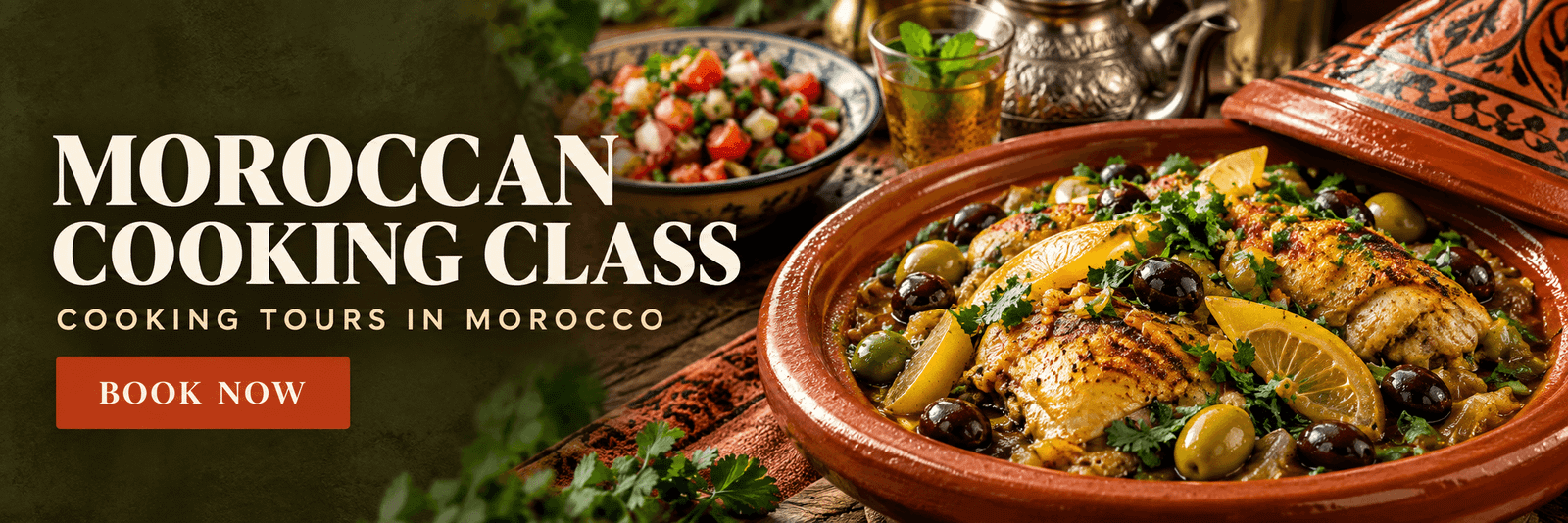
Want to go beyond reading a Chebakia Recipe? Add a Moroccan cooking experience to your private journey and discover local ingredients, traditional cooking techniques and authentic Moroccan flavors firsthand.
Cooking experiences can be combined with your private Morocco itinerary. Tell us where you plan to travel and what kind of food experience interests you, and we can include it as part of your trip.
More Moroccan Food & Recipes
Chebakia Recipe: Frequently Asked Questions
What is Moroccan Chebakia?
Chebakia is a traditional Moroccan sesame pastry made from spiced dough shaped into flower-like forms, fried until golden, soaked in warm honey flavored with orange flower water and garnished with toasted sesame seeds.
Is Chebakia especially popular during Ramadan?
Yes. Chebakia is strongly associated with Ramadan in Morocco and is commonly served as part of the evening meal, often alongside Harira and other foods.
Does this Chebakia Recipe contain semolina?
No. This Chebakia Recipe uses all-purpose flour and does not include semolina in the ingredient list.
Why are sesame seeds important in Chebakia?
Toasted sesame seeds contribute a strong nutty flavor. Ground sesame is incorporated into the dough, while additional toasted sesame seeds are used as the final garnish.
What does orange flower water do in Chebakia?
Orange flower water gives Chebakia its characteristic floral aroma. It is used in the dough and also added to the warm honey coating.
How long should Chebakia dough rest?
After kneading and dividing the dough into four portions, let the covered dough rest for approximately 10 to 15 minutes before rolling.
How thin should I roll Chebakia dough?
Roll the dough relatively thin, approximately the thickness of a thin piece of cardboard, so it can be cut and folded without becoming too bulky.
How do you make the traditional Chebakia flower shape?
Cut each rectangle with four interior lengthwise slits, thread a finger through alternating strips, pinch the outside corners together, gently turn the strips around the center and secure the opposite corners.
Why does Chebakia open while frying?
The flower shape can open during frying if the final corners were not pinched firmly enough. Secure the corners carefully before placing each pastry on the tray.
When should Chebakia be placed in the honey?
Transfer the fried Chebakia into warm honey while the pastry is still hot. This helps the honey coat the exterior and enter the folded layers.
How do I know when Chebakia is fried properly?
Chebakia should develop an even deep golden to amber color while retaining its layered flower shape.
How should I store Chebakia?
Once completely cooled and settled, store Chebakia in an airtight container at room temperature in a cool, dry place away from direct sunlight and moisture.
Can I prepare Chebakia ahead of Ramadan?
Yes. Chebakia is commonly prepared in quantity, so making it ahead of time can reduce the amount of work required during Ramadan.
What is Chebakia traditionally served with?
Chebakia is commonly enjoyed with Moroccan mint tea and is particularly associated with Harira soup and the Ramadan evening meal.
Master This Chebakia Recipe One Stage at a Time
A traditional Chebakia Recipe looks complicated because several techniques happen in one recipe: grinding sesame, kneading, rolling, cutting, folding, frying and honey soaking.
The easiest approach is to treat those as separate stages. Prepare the ingredients first, keep unused dough covered, practice the flower shape slowly and organize the frying and honey stations before the first batch enters the oil.
Once you understand the workflow, the characteristic golden folds, toasted sesame and fragrant honey finish become much easier to reproduce.
Discover Moroccan Food During Your Journey
Explore Morocco’s medinas, markets, regional dishes and culinary traditions through our custom Morocco tours, designed around your interests, dates and preferred pace.
PLAN MY MOROCCO TRIP VIEW MOROCCO ITINERARIES