Visit Morocco in Winter and you quickly discover that the season does not have one personality. Marrakech can give you bright afternoons made for walking, the High Atlas may be white with snow, Essaouira can feel fresh and windswept, and the Sahara may offer beautifully comfortable daytime exploring followed by a night that reminds you just how cold a desert can become.
That contrast is exactly what makes winter interesting. Morocco is not a destination where December, January and February simply mean “cold season.” The coast, imperial cities, mountains and desert all respond differently to winter, and a good itinerary uses those differences rather than fighting them.
Winter can also change the rhythm of a trip. You may spend longer wandering through Marrakech or Fes because you are not planning every walk around summer heat. Desert days can feel easier for sightseeing. Mountain scenery becomes more dramatic. And once the Christmas and New Year travel period passes, parts of January and February can feel calmer than the busiest spring and autumn weeks.
But winter deserves realistic planning. Nights can be cold, rain is possible, mountain roads may be affected by snow, and late December can be busy rather than quiet. This guide explains what winter in Morocco actually feels like, where to go, how December compares with January and February, what to pack, and how to build a 7, 10 or 14-day winter journey without treating the entire country as if it has the same climate.

Why Visit Morocco in Winter?
Winter is not necessarily the “best” season for every traveler. It is especially good for people who value comfortable city exploration, dramatic seasonal landscapes and a route that can move from sunshine to snow in the same country.
What Is Morocco Weather Like in Winter?
The most important winter planning mistake is looking at one weather forecast and assuming it describes the entire country.
Morocco sits between the Atlantic Ocean, Mediterranean influences, mountain ranges and the Sahara. That geography creates different winter experiences within the same itinerary. The Moroccan National Tourist Office describes coastal winters as relatively mild, while higher elevations experience colder and wetter conditions.
In a city such as Marrakech, a sunny winter afternoon can feel wonderfully comfortable for sightseeing, but once the sun disappears the temperature can change quickly. Fes and northern destinations may feel cooler and can experience wetter periods. The coast is generally more moderate, although Atlantic wind can make the air feel cooler than the temperature suggests.
The biggest contrast comes when you add mountains and desert. The High Atlas may have snow and genuine winter conditions. The Sahara often provides appealing daytime conditions, but sunrise, evening and overnight camp temperatures can be cold enough that a proper jacket matters.
This is why the best winter packing strategy is not “bring warm clothes” or “bring summer clothes.” It is bring layers that can build up and come off easily. A trip from Marrakech to the Atlas and then south toward Merzouga can expose you to several completely different conditions over a matter of days.
Four Different Winter Experiences
Often pleasant during daylight, with colder mornings and evenings.
Sea influence moderates temperatures, but wind and changing weather call for a light outer layer.
Higher elevations can be cold, wet or snowy, and conditions change with altitude.
Excellent for daytime experiences, but camp mornings and evenings require warmer clothing.
For an official overview, see the Moroccan National Tourist Office climate and seasons guide →
December vs January vs February in Morocco
“Winter” covers three months that can feel quite different. Your experience in the last week of December may be very different from a quiet trip in mid-January or a late-February journey that already hints at spring.
December is attractive for travelers who want cooler sightseeing weather, winter mountain scenery and a Sahara trip without summer heat.
The important exception to the “quiet winter” idea is the Christmas and New Year period. International travelers often use the holidays for Morocco trips, so popular riads, private tours and desert camps can book earlier than you might expect.
If you travel earlier in December, the atmosphere can feel different from the holiday week. Either way, pack for cool nights rather than assuming North Africa means summer clothing.
January is often the month when Morocco’s winter contrasts become most obvious. Cities are cool, mountain snow is possible and desert nights can be sharply cold.
After the New Year travel period, January can also feel more relaxed in many tourist areas. This makes it appealing to travelers who prefer cultural sightseeing without building their day around heat.
Mountain conditions require flexibility. Snow is beautiful when it arrives, but it can also affect roads and change hiking plans.
February remains a winter month, but the transition toward spring gradually becomes more noticeable in some regions.
It can be a strong choice for travelers who want city, desert and cultural experiences while avoiding the hotter part of the year.
Do not remove winter layers from the suitcase simply because the calendar is moving toward March. Mountains and desert nights can still be cold.
Marrakech in Winter
Marrakech is one of the easiest places to understand the appeal of winter Morocco. During the hottest part of the year, sightseeing can become a strategy of early starts, shaded breaks and evening exploration. In winter, the city often invites a slower pace.
You can spend more time walking through the medina, exploring architectural sites, moving between souks and sitting on a rooftop without planning the entire day around avoiding intense heat.
That does not mean winter Marrakech feels warm at every hour. Riads are built around open courtyards, historic buildings can feel cool inside, and evenings may call for a sweater or jacket. A sunny rooftop at lunchtime and a cold courtyard after dinner can easily belong to the same day.
Winter also works well for travelers interested in food, hammams and gardens because the itinerary does not need to be exclusively outdoors. A cool or rainy afternoon can become an opportunity for a cooking class, museum, long lunch or traditional hammam rather than a lost travel day.

Why Marrakech Works So Well in Winter
The city gives first-time visitors a useful balance: enough energy and activity to feel unmistakably Moroccan, but a winter climate that can make long periods of sightseeing more comfortable than during high summer.
The Sahara Desert in Winter
If summer is about managing desert heat, winter shifts the problem in the opposite direction: the daytime can be excellent for exploring, but once the sun drops you need to be ready for a real temperature change.
That makes winter especially appealing for camel rides, dune walks, photography and 4×4 exploration. You can spend more of the daylight hours outside without structuring every activity around extreme midday heat.
The cold surprise usually comes after sunset. Desert camps may provide blankets, but travelers still benefit from packing warm socks, a sweater or fleece and a proper outer layer. A scarf is useful for both warmth and wind.
Winter also changes how you experience sunrise. Getting out of bed before dawn sounds romantic—and it can be—but the air may be very cold. Put warm clothing beside the bed the night before so the first five minutes of the morning do not become the hardest part of the desert experience.
Merzouga and the Erg Chebbi dunes remain one of the classic areas for desert camps and camel experiences. A winter itinerary can combine them with Todra Gorge, southern valleys and the road back toward Marrakech, creating a journey where the landscape changes almost every day.

Pack for the Sunset, Not Just the Afternoon
A light daytime outfit can be perfect while you are moving through the dunes. The same clothes may feel completely inadequate a few hours later. Keep your evening layers accessible rather than buried at the bottom of the suitcase.
Atlas Mountains: Morocco’s Real Winter
The Atlas Mountains are the section of a winter journey where you should stop thinking of Morocco as an escape from winter and start treating the conditions as winter itself.
At higher elevations, snow, cold temperatures and rapidly changing conditions are part of the season. The Moroccan National Tourist Office notes that winter in the highlands is cold and wet, while snow makes winter sports possible in parts of the Atlas and Middle Atlas.
That can create some of the most memorable scenery of the entire trip. Snow-covered peaks behind earth-colored villages reveal a side of Morocco that many first-time visitors never expect.
But snow is not a guaranteed attraction on a fixed date. Natural conditions determine what is possible. If skiing or snow scenery is central to your trip, build flexibility into the plan rather than treating a particular slope as if it operates identically every winter week.
Winter trekking also needs a different mindset from a casual summer valley walk. Daylight is shorter, higher trails can require winter equipment, and rain or snow can change road and trail conditions. A local mountain guide becomes especially valuable when an activity goes beyond simple village sightseeing.

Snow Changes the Itinerary—and That’s Part of the Appeal
For some travelers, the goal is a winter trek or ski experience. For others, simply seeing snow-covered Atlas peaks from a village or scenic road is enough. Choose the level of winter adventure that matches your comfort and experience.
Ifrane & the Middle Atlas in Winter
Ifrane feels almost designed to challenge the common picture of Morocco. At around 1,650 meters in the Middle Atlas, the town is known for red-roofed architecture, cedar forests and winters that can turn white.
Morocco’s tourism office specifically highlights Ifrane as a winter destination and lists Michlifen among the region’s ski areas. Nearby natural areas, forests and lakes also give the region a very different atmosphere from Fes, even though the two can be combined in the same broader itinerary.
For a traveler who wants to see a snowy side of Morocco without making a demanding High Atlas expedition the center of the trip, Ifrane can be an appealing addition.
It is also a good reminder that winter clothing should follow the route, not the country name. The jacket that seems excessive in the middle of a sunny Marrakech afternoon may feel completely justified once you reach the Middle Atlas.
Because snowfall varies from year to year and from week to week, think of snow as a possible seasonal experience rather than something to promise on a fixed travel date.
For current destination information, see the official Ifrane guide from the Moroccan National Tourist Office →
Fes in Winter
Fes is a city made for walking, and that makes cooler weather a genuine advantage. Exploring Fes el-Bali can involve hours on foot through narrow streets, markets, workshops, historic buildings and steep sections of the medina.
In winter, those long walking days can feel easier than they do during intense heat. The trade-off is that Fes may feel colder than travelers expect, especially in the morning and evening.
A winter day in Fes works best when you layer rather than dress for a single forecast number. A sweater or jacket that feels necessary at breakfast may be removed during an active midday walking tour and needed again after sunset.
Rain is also more relevant in northern Morocco during winter, so a compact water-resistant layer can earn its space in the suitcase. Good walking shoes matter even more on wet stone and uneven medina surfaces.
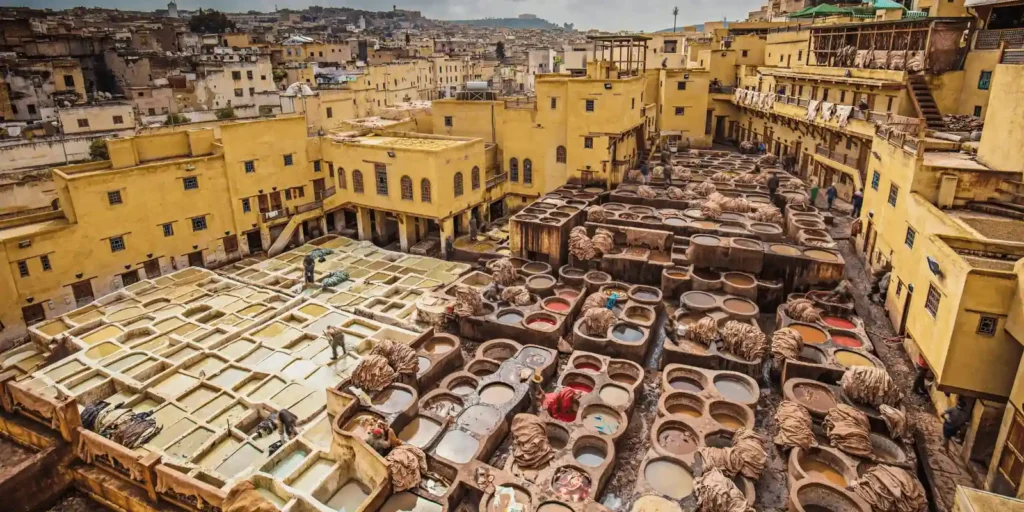
Fes is particularly strong for travelers who want winter travel to focus on culture rather than only weather. Tanneries, craftsmanship, architecture, food and traditional streets remain the reason to come; the cooler season simply changes how you experience them.
Chefchaouen in Winter
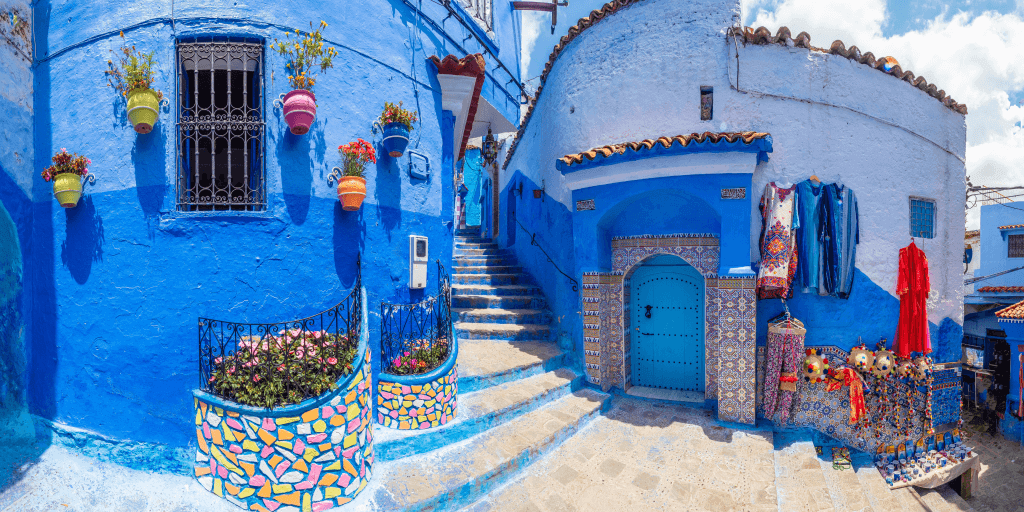
Chefchaouen can be beautiful in winter, but it should not be imagined as a guaranteed blue-and-sunny postcard every day. Its northern and mountain setting means cooler and potentially wetter conditions than many visitors associate with Morocco.
When the weather cooperates, the softer winter light and quieter streets can be wonderful for photography. On a rainy day, however, the city’s slopes, steps and stone surfaces make good footwear especially important.
Pack a rain layer, not just an umbrella. A light waterproof jacket leaves your hands free while navigating stairs and carrying a camera or phone.
Chefchaouen also rewards travelers who slow down. Winter is a good excuse to spend more time in a café, take a longer lunch or watch the weather move across the surrounding mountains instead of trying to complete a checklist of attractions.
Essaouira in Winter: Atlantic Air & a Slower Rhythm
Essaouira offers one of Morocco’s gentler winter contrasts. You are still on the Atlantic coast, so the climate tends to be milder than the mountain regions, but the city’s famous wind can make a jacket or wind-resistant layer surprisingly useful.
Winter suits Essaouira’s personality. You can wander through the medina, watch the fishing harbor, spend time in galleries and cafés, eat seafood and walk along the coast without needing the trip to feel like a conventional beach holiday.
This is an important distinction. Visiting Essaouira in winter is less about guaranteeing swimsuit weather and more about enjoying the coast as part of a cultural itinerary.
Travelers interested in surfing and other wind or water sports should check current local conditions and use an appropriate local school or operator. Those who simply want a change of pace can enjoy the city without scheduling a single sport.

A Winter Coast Without Needing a Beach Holiday
Essaouira works as a two-night reset between busier cities. Its winter appeal is the harbor, medina, food, Atlantic atmosphere and slower rhythm—not simply lying on the sand.
Best Places to Visit in Morocco in Winter
| Destination | Winter Feel | Best For | Pack |
|---|---|---|---|
| Marrakech | Comfortable days, cool evenings | Medinas, food, gardens | Layers + jacket |
| Fes | Cooler, possible rain | Culture, crafts, history | Warm + rain layer |
| Chefchaouen | Cool and potentially wetter | Photography, slow travel | Water-resistant jacket |
| Merzouga / Sahara | Pleasant days, cold nights | Camel rides, camps, dunes | Warm evening layers |
| High Atlas | Cold, possible snow | Mountains, scenery, winter activity | Proper winter clothing |
| Ifrane | Classic winter atmosphere | Snow scenery, Middle Atlas | Warm coat + shoes |
| Essaouira | Mild and windy | Coast, food, relaxed pace | Wind layer |
Christmas & New Year Travel in Morocco
One of the biggest myths about Morocco in winter is that the entire season is quiet and inexpensive. Late December tells a different story.
Christmas is not a national religious holiday in predominantly Muslim Morocco, but the international travel calendar still matters. Visitors from Europe, North America and elsewhere use the holiday period to travel, and popular hotels, riads, private tours and Sahara camps can become busy.
Some hotels and riads organize special dinners or New Year events, particularly in major tourist destinations. If New Year’s Eve matters to you, ask what your accommodation actually offers rather than assuming every property has the same program.
The best strategy is simple: book the important pieces earlier if you are traveling from the second half of December through New Year. After the holiday period, January can feel noticeably different.

Winter Events: Check the Year, Not Just the Season
Morocco hosts cultural events during winter, including events in Marrakech, but festival dates can change from year to year. If a specific festival is part of your reason for traveling, verify the official event dates before booking flights around it.
Best Things to Do When You Visit Morocco in Winter
Winter does not need to turn a Morocco trip into an indoor itinerary. It simply changes which activities make the most sense and how you schedule them.
Use cooler days for longer walks through Marrakech, Fes and other historic centers.
Enjoy dunes and desert activities by day, then prepare properly for the colder night.
When conditions cooperate, the Atlas and Middle Atlas show a completely different side of Morocco.
A hammam feels especially satisfying after a cool sightseeing day.
An excellent activity for a rainy or cool afternoon without sacrificing cultural experience.
Winter encourages slower breaks for mint tea, coffee and people-watching.
Cooler-season skies and lower sun angles can give city, mountain and desert scenes a distinct feel.
Essaouira and other coastal areas work well as cultural stops even when beach weather is not the goal.
What to Wear in Morocco in Winter
The best winter suitcase is built around layering. You should be able to dress for a sunny city afternoon and add enough warmth for an early desert sunrise without carrying two completely separate wardrobes.
Start with normal travel clothing: breathable tops, comfortable trousers or jeans and reliable walking shoes. Add a sweater, fleece or cardigan, then a jacket appropriate to the coldest region on your itinerary.
If your route includes higher mountain areas, upgrade the winter gear accordingly. A light city jacket is not the same as clothing for snow or a winter trek.
A scarf is one of the most useful small items. It adds warmth, works in wind and can be used as an extra layer without filling much luggage space.
Useful for city evenings, early mornings and much of a standard winter itinerary.
Adds warmth without requiring a bulky coat every day.
Choose shoes with enough grip for old medina surfaces and potentially wet streets.
Useful for cold mornings, desert wind and changing conditions.
Especially helpful on northern routes and for destinations where winter rain is possible.
A small item that makes a large difference during cold desert mornings and mountain stops.
Winter does not remove strong sunlight, particularly in exposed mountain and desert landscapes.
Winter hikes, skiing or snow-based activities may require activity-specific clothing and equipment.
For a complete wardrobe guide, read Morocco Packing Tips: What to Wear in Morocco →
Road Trips & Mountain Conditions in Winter
A private Morocco road trip is one of the best ways to experience winter because you see the climate change in front of you. The road from Marrakech toward the mountains or from the Middle Atlas toward the south can move through very different landscapes in a single day.
Winter also requires more respect for conditions. Snow, rain and low temperatures can affect mountain roads. A route that is routine in clear weather may require extra time or a different plan after a storm.
This is where flexibility matters more than an overly rigid itinerary. Build enough margin that a scenic stop, weather delay or route adjustment does not create pressure for the rest of the trip.
Daylight is also shorter than in summer. That makes reasonable daily driving distances important, especially when the journey itself includes viewpoints, towns and roadside experiences you actually want to enjoy.
Pros & Considerations of Visiting Morocco in Winter
City sightseeing can be more comfortable than during summer heat. The Sahara is easier to explore during the day. Mountain snow creates dramatic scenery. A winter route offers unusually strong contrasts between coast, city, mountain and desert.
Nights can be cold, especially in the desert and mountains. Northern areas may experience rain. Snow can affect mountain plans. Late December can be busy, and a sunny afternoon should never convince you to leave your jacket at the hotel for the evening.
7, 10 & 14-Day Morocco Winter Routes
A winter itinerary works best when it uses Morocco’s regional contrasts rather than spending every day in the same type of climate.
Spend several days in Marrakech, add a flexible Atlas experience based on conditions, then finish with the Atlantic atmosphere of Essaouira. This route avoids the long drive to the Sahara while still showing three different winter environments.
Combine Marrakech with southern valleys, Todra, Merzouga and a desert camp. This route is especially strong for travelers whose idea of winter Morocco centers on comfortable desert days and changing landscapes.
Build a larger journey through Casablanca or Rabat, Fes, the Middle Atlas, Sahara, southern valleys and Marrakech, with enough time to see Morocco shift from city winter to mountains and desert.
Explore our private Morocco itineraries → and use them as a starting point for your own winter route.
Who Should Visit Morocco in Winter?
Winter is particularly well suited to travelers who enjoy walking and sightseeing but dislike very hot weather. It also works for photographers who want different light and landscapes, desert travelers who prefer cooler daytime temperatures and repeat visitors looking for a side of Morocco that feels different from the classic spring or autumn trip.
Families can also enjoy winter, provided the packing and daily schedule account for colder mornings and evenings. A private itinerary makes it easier to shorten an outdoor activity, change departure times or replace a mountain plan when weather changes.
Winter may be less suitable for travelers whose main goal is guaranteed beach heat or high-altitude hiking without winter conditions. In those cases, another season may fit the trip better.
That distinction matters because the question is not whether winter is objectively the “best” season. The useful question is whether winter matches the Morocco experience you want.
Related Morocco Travel Guides
Visit Morocco in Winter FAQ
Is winter a good time to visit Morocco?
Yes, winter can be an excellent time for travelers who prefer cooler city sightseeing, comfortable daytime desert experiences and seasonal mountain scenery. Conditions vary considerably by region, so the route and packing matter.
What months are winter in Morocco?
December, January and February are the core winter months. Late November and early March can also have cooler seasonal conditions depending on the region.
Is Morocco cold in winter?
It can be. Coastal areas are generally milder, inland cities have cool mornings and nights, the Sahara can be cold after sunset, and mountain regions can experience genuine winter weather and snow.
Does it snow in Morocco?
Yes. Snow occurs in Morocco’s mountain regions, particularly at higher elevations in the Atlas and Middle Atlas. Ifrane and mountain areas such as Oukaïmeden are associated with winter snow, although conditions vary each season.
Can I visit the Sahara in winter?
Yes. Winter can provide very comfortable daytime conditions for camel rides, dunes and desert exploration. Pack warm layers because evenings, nights and sunrise can be surprisingly cold.
What should I wear in Morocco in winter?
Pack layers: normal travel clothes, a sweater or fleece, a jacket, comfortable walking shoes and a scarf. Add a water-resistant layer for wetter regions and heavier winter clothing for mountain areas.
Is Marrakech warm in winter?
Marrakech can have comfortable sunny winter days, but mornings and evenings are much cooler. Travelers should carry layers instead of expecting consistently warm conditions throughout the day.
Is December busy in Morocco?
Early December and the Christmas/New Year period can feel very different. The holiday period attracts international travelers, so popular hotels, riads, tours and desert camps may require earlier booking.
Is January a good month to visit Morocco?
January suits travelers who enjoy cooler weather and cultural sightseeing. It can feel calmer after the New Year period, although it is also one of the colder times of the year and mountain weather requires flexibility.
Is February a good month for Morocco?
February can be a strong winter choice for combining cities and desert travel. Conditions gradually move toward spring in some regions, but cold mountain weather and chilly desert nights can still occur.
Can I ski in Morocco in winter?
Winter sports are possible in mountain areas when snow conditions allow. The Middle Atlas around Ifrane includes locations such as Michlifen and Jbel Hibri, while Oukaïmeden is associated with winter activity in the High Atlas. Always check current snow and operating conditions.
What is the best winter itinerary for Morocco?
The best route depends on your interests. A shorter trip can combine Marrakech, the Atlas and Essaouira, while 10 to 14 days allow enough time to add Fes, the Middle Atlas and a Sahara desert experience.
Plan a Morocco Winter Journey That Uses the Season Well
A winter trip should not simply copy a summer itinerary and add a jacket. Altni Tours can build a private Morocco journey around your dates, interests and preferred pace—using the season to shape the route from imperial cities and Atlantic towns to the Atlas Mountains and Sahara.
PLAN MY WINTER MOROCCO TRIP