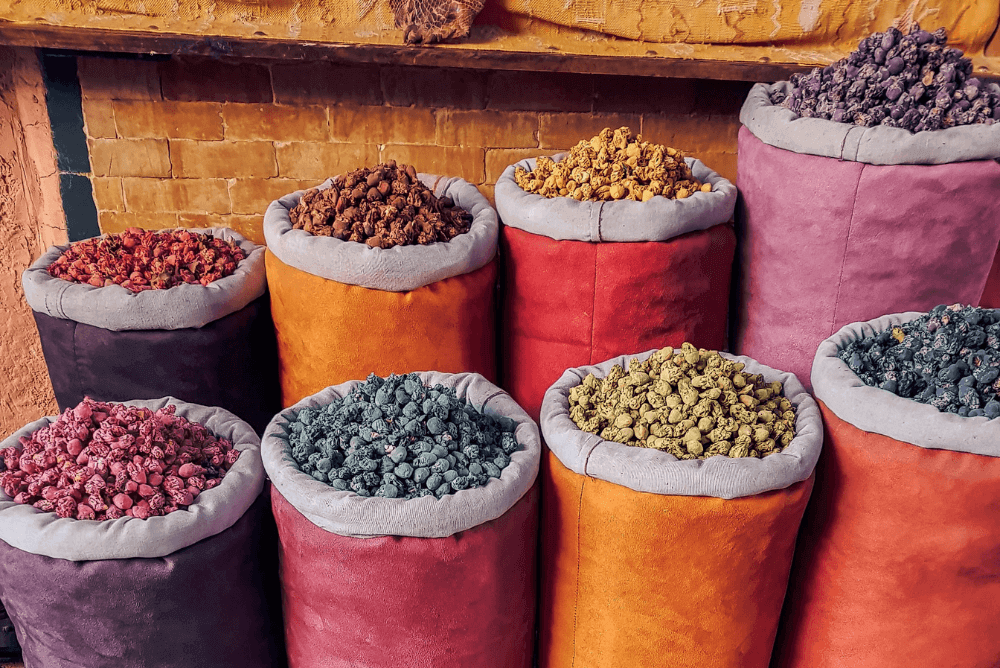
A great Morocco adventure usually feels effortless once you are there. The medina seems exciting instead of confusing, the long road toward the Sahara becomes part of the experience, and you know when to carry cash, when to slow down and when it is worth having a local guide beside you.
What travelers do not always see is that a little preparation creates that feeling. Morocco is remarkably varied. A single itinerary can move from the Atlantic coast to an imperial city, over the Atlas Mountains and into the Sahara. The culture, weather, pace and practical details can change just as quickly as the scenery.
That does not mean Morocco is difficult to travel. It simply rewards people who understand how the country works before they arrive. The most useful advice is often surprisingly ordinary: do not schedule too much, wear shoes you can actually walk in, keep some small cash, learn a few words, and accept that a three-hour drive on a map may become one of your favorite days once you start stopping along the way.
These are the Morocco travel tips we would want a friend to know before their first trip—practical enough to make the journey smoother, but without turning travel into a list of rules.
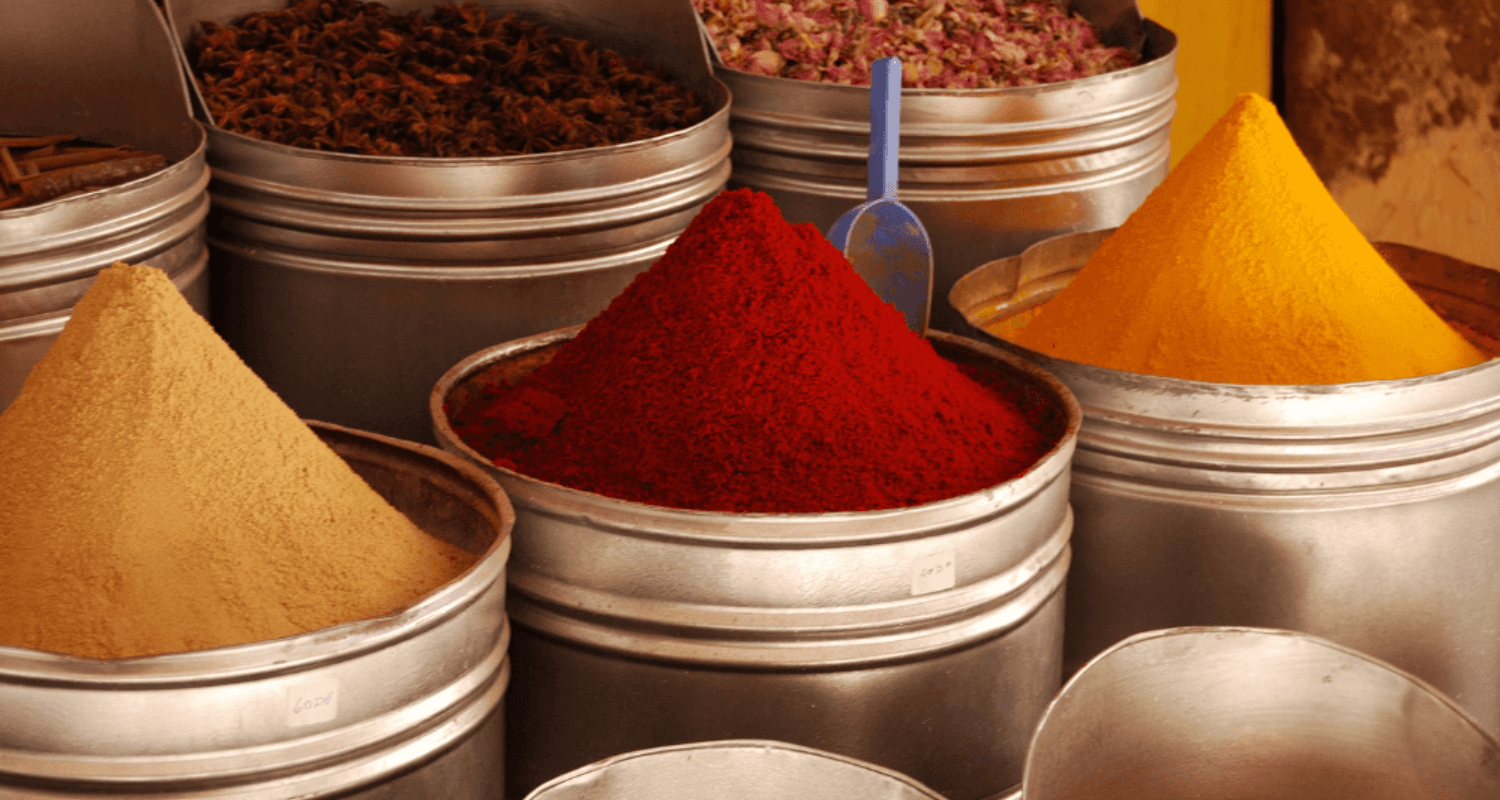
Six Things to Check Before Traveling to Morocco
Do these once before departure and you can stop thinking about them for most of the trip.
17 Must-Know Tips for Your Morocco Adventure
Some of these tips will save money. Some will save time. The best ones simply help you arrive with better expectations.
Plan the Kind of Trip You Want Before Choosing the Stops
It is easy to begin by collecting place names: Marrakech, Fes, Chefchaouen, Merzouga, Essaouira, Casablanca. The better question is what you actually want the trip to feel like.
A traveler interested in food and crafts needs a different rhythm from someone who wants hiking, photography or several nights in the desert. Families may want shorter driving days. A couple may prefer longer stays in riads. First-time visitors often enjoy a mix of cities, landscape and one major experience rather than checking off every famous name.
Start with your dates, your pace and the two or three experiences you would be disappointed to miss. Build the route around those. This simple shift usually produces a better itinerary than starting with a map full of pins.
Do Not Try to See the Whole Country in One Week
Morocco looks manageable on a map, but the country’s best routes are not built only around mileage. Mountains, scenic roads, lunch stops and visits along the way all add time.
A trip becomes tiring when every morning begins with repacking and every evening ends in a different hotel. Two nights somewhere often feels dramatically better than one because you finally get a full day without checking in or checking out.
If you have seven days, choose a strong region or a focused route. With ten to fourteen days, the country opens up much more comfortably.
Choose the Season for Your Route, Not for Morocco as a Whole
There is no single Moroccan climate. Summer on the Atlantic coast is not the same as summer in Marrakech or the Sahara, and a winter afternoon in the south is very different from a winter day high in the Atlas.
Spring and autumn work especially well for multi-region journeys because temperatures are often easier for long sightseeing days. Summer can suit coastal travel, while winter creates its own advantages for cities and the desert but can bring genuine cold and snow to mountain areas.
Look at every region on your route before packing. “Morocco weather” is too broad to be genuinely useful.
Check Entry Requirements for Your Nationality
Do not rely on a generic blog list of “visa-free countries.” Entry requirements depend on nationality and can change.
Morocco’s National Tourist Office states that tourist stays are generally limited to a maximum of 90 days and directs travelers who require an eVisa or electronic travel authorization to the official Accès Maroc system.
Make sure your passport is valid for the trip and verify the current formalities for your nationality before booking around assumptions.
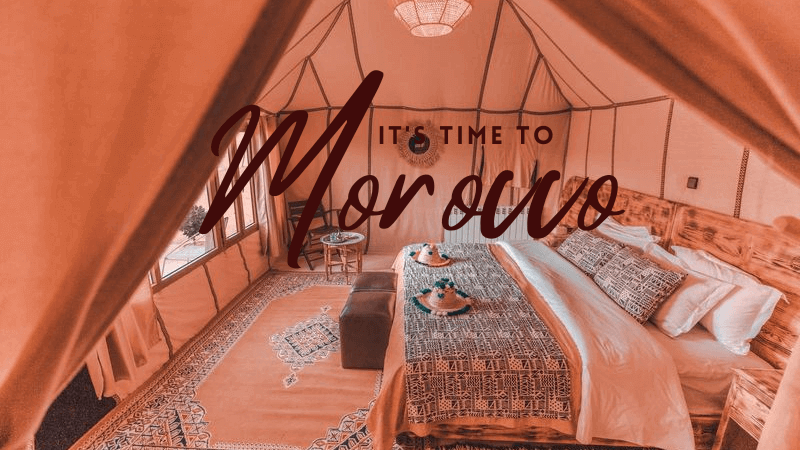
Give Yourself Time to Enjoy the Riad
A riad should not be only somewhere you arrive at 10 p.m. and leave after breakfast. A slower itinerary gives you time for the courtyard, rooftop, breakfast and small details that make traditional accommodation part of the Morocco experience.
Travel With Both a Card and Moroccan Dirhams
The official currency is the Moroccan dirham, usually written as MAD or DH. ATMs are widespread, and Visa and Mastercard are accepted by many hotels and some restaurants, shops and fuel stations. But cash is still useful every day.
A small café, medina purchase, tip or neighborhood shop may be easier with dirhams. There is no need to walk around with a large amount of cash; the practical solution is a card plus enough local currency for smaller transactions.
Avoid hard-coding a dollar-to-dirham conversion into your travel plans because exchange rates move. Check the current rate when you travel.
A Simple Morocco Money Strategy
Useful for cafés, tips, small purchases and places where card payment is inconvenient.
Keep it separately from your everyday wallet rather than placing every payment option together.
Banks, exchange offices, airports and some hotels provide currency-exchange services.
Give Yourself an Easy First Day
After an overnight flight, airport formalities and the drive to your accommodation, the temptation is to begin sightseeing immediately because vacation time feels precious.
In practice, an easy arrival day often improves the rest of the journey. Check in, shower, walk around the immediate neighborhood, have your first tagine or mint tea, and let Morocco arrive gradually.
Your first walk through Marrakech or Fes is already an experience. It does not need six scheduled attractions attached to it.
Understand That Driving Days Can Be Good Days
A road from Marrakech toward the Sahara is not simply a transfer between two attractions. It can include Atlas passes, villages, kasbahs, valleys, roadside cafés and landscapes that change through the day.
This is one reason itinerary pace matters so much in Morocco. If the schedule assumes every road hour is wasted time, you end up rushing through the country rather than traveling through it.
Ask how many real driving hours are involved before accepting an itinerary. Then ask what the day includes along the way.
Use a Good Local Guide Where a Guide Actually Adds Value
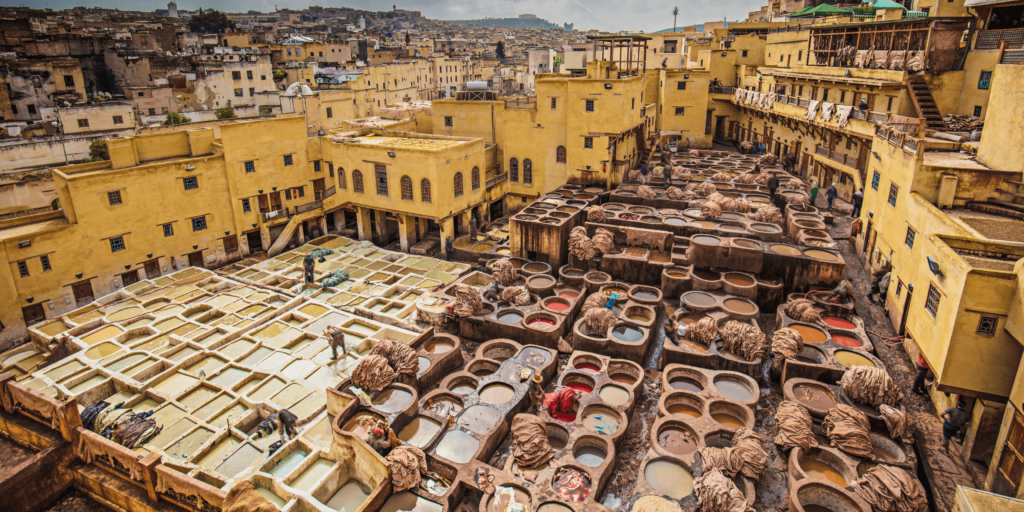
The medinas of Fes and Marrakech are not theme parks laid out around visitor convenience. They are working neighborhoods with workshops, homes, mosques, markets, dead ends and streets that have evolved over centuries.
Getting slightly lost can be fun. Spending half your day wondering whether you are going in circles is less fun.
A knowledgeable licensed guide can do more than navigate. The value is context: why a building matters, how a craft is made, what you are looking at in a market and which details you would otherwise walk straight past.
Be cautious with unsolicited people who insist on guiding you somewhere or tell you a route is closed in order to redirect you. If you want a guide, arrange one intentionally.
Wear Shoes for Walking, Not Just for Photographs
Morocco is hard on decorative shoes. Medina paving can be uneven. There are stairs, stone surfaces and long days where ten minutes of sightseeing quietly becomes several hours on foot.
Bring a pair of shoes that has already proven itself at home. If the Atlas or real hiking is part of the itinerary, upgrade your footwear for the activity. Otherwise a comfortable walking shoe is usually more useful than a heavy hiking boot.
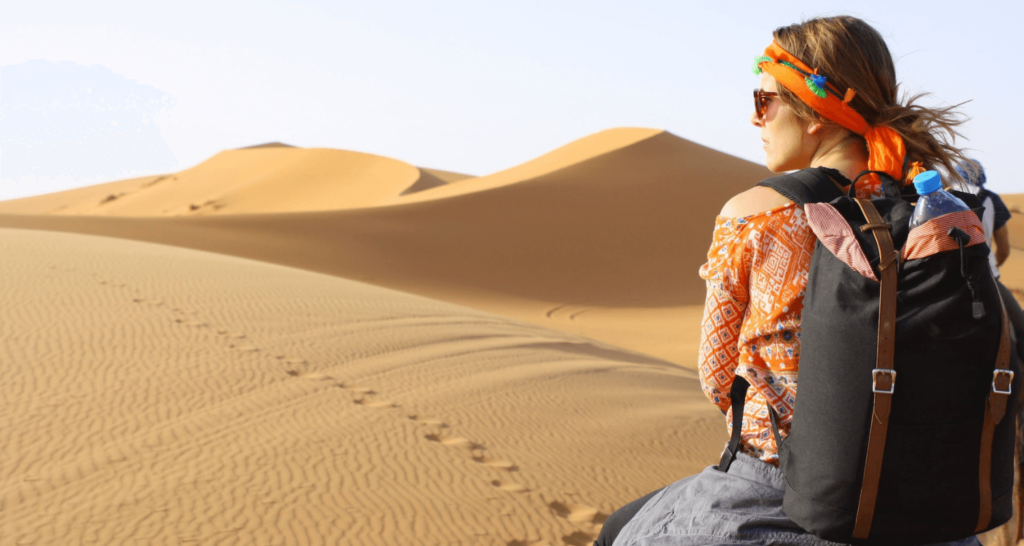
The Sahara Needs Different Packing
A light city outfit may not be enough for an early desert morning. Sun protection, closed shoes, water, a scarf and layers for the evening make the experience much more comfortable.
Dress for the Setting Rather Than Following a Rigid Rulebook
You do not need to buy a special “Morocco wardrobe.” You do need clothing that works across a range of settings.
Tourist hotels and coastal resorts naturally feel different from rural villages, historic neighborhoods and traditional cultural settings. Lightweight, comfortable clothing with a few more-covered options gives you flexibility without overthinking every outfit.
A light scarf or overshirt is particularly useful because it can add sun protection, warmth or coverage without taking much space.
For a full breakdown by region and season, use our Morocco Packing Tips guide .
Learn Four or Five Words—Then Actually Use Them
Nobody expects a visitor to become fluent in Moroccan Arabic before vacation. A few words still change the tone of small interactions.
“Salam” for hello and “shukran” for thank you are enough to start. “La, shukran” gives you a simple and polite “no, thank you” when you do not want to buy something.
The point is not perfect pronunciation. It is showing that you are willing to meet people halfway. A smile and one familiar word often create an easier interaction than immediately switching into a complicated explanation in English.
Treat Bargaining as a Conversation, Not a Battle
Shopping in Morocco is more enjoyable when the only objective is not “winning” the lowest possible price.
In many souks and artisan shops, negotiation is part of the process. Ask the price, decide what the item is genuinely worth to you, make a reasonable counteroffer and stay friendly. If you cannot agree, thank the seller and move on.
There is no universal formula such as “always pay one-third of the first price.” Products, craftsmanship, shops and starting prices differ too much for that rule to be reliable.
Most importantly, bargain only when you are actually interested. Turning a long conversation into entertainment and then walking away over a tiny difference is not the best use of anyone’s time.
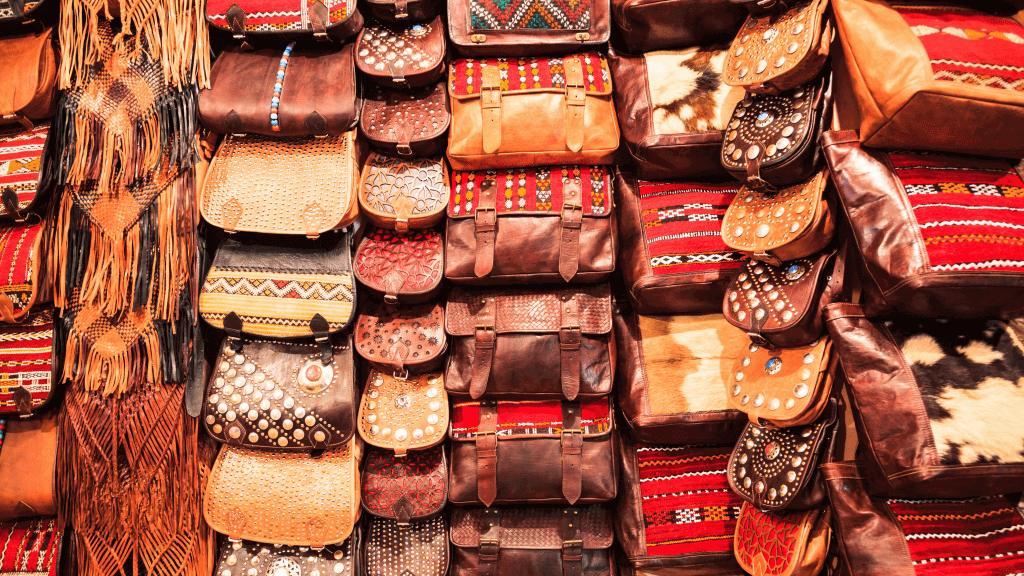
Buy What You Actually Love
Leatherwork, textiles, ceramics and other crafts can be among the best souvenirs from Morocco. Take time to compare quality and workmanship rather than buying the first item simply because negotiation has started.
Keep Small Money for Tips, but Do Not Obsess Over a Formula
Tipping is common in Morocco for good service, including guides, drivers, porters and restaurant staff. Exact expectations vary according to the service and setting.
Instead of trying to memorize one percentage for every interaction, keep some smaller dirham notes and ask your tour operator or accommodation for current guidance when a substantial service is involved.
A tip should feel like appreciation for service, not like a complicated exam you need to pass.
Eat Adventurously, but Give Your Stomach Time to Adjust
Food is one of the great reasons to travel through Morocco. Tagines, couscous, harira, grilled meats, pastries, olives, bread and fresh market foods can become as memorable as any monument.
The common mistake is going from airline food straight into a marathon of street snacks on the first evening. If your stomach is sensitive, ease into the trip, drink enough water and choose busy food stalls or restaurants where ingredients are turning over regularly.
Travelers who prefer the simplest approach to drinking water can use sealed bottled or properly filtered water, particularly during longer road and desert days.
For more ideas, see our Moroccan Street Foods guide .
Plan Around Ramadan Without Treating It as a Problem
A trip during Ramadan can give visitors an interesting view of Moroccan daily life, but the rhythm of the day changes. Some businesses adjust opening hours, daytime food options can vary by location, and evenings become more active after the fast is broken.
Tourist hotels and many visitor services continue operating, so you do not need to avoid the month automatically.
The useful approach is to know the dates, ask how they affect your specific itinerary and be considerate of people who are fasting. A different daily rhythm does not mean a worse trip.
Pack for the Sahara and Atlas Separately From the Cities
Morocco can make one suitcase feel as though it is serving several countries.
For the Sahara, think sun protection, a scarf, water, comfortable closed shoes and layers for evenings. Desert nights can be much cooler than the afternoon suggests.
For the Atlas Mountains, altitude and season matter. A casual village walk needs different clothing from a high mountain trek, and winter conditions can require real cold-weather equipment.
Do not pack specialized gear simply because the country has mountains or a desert. Pack for the activities actually written into your itinerary.
Choose Independent, Group or Private Travel Based on How You Like to Travel
There is no universally correct way to experience Morocco.
Independent travel gives you maximum control and can work very well for confident travelers who enjoy arranging their own hotels, trains, buses and local guides.
Group tours can simplify logistics and provide company, but you follow a shared schedule.
A private tour can make the most sense when you want the route adapted around your dates, interests and pace, especially when the itinerary includes long road sections, multiple regions or the Sahara.
The question is not which option sounds most adventurous. The question is which one allows you to spend your vacation doing the things you came for rather than managing logistics you do not enjoy.
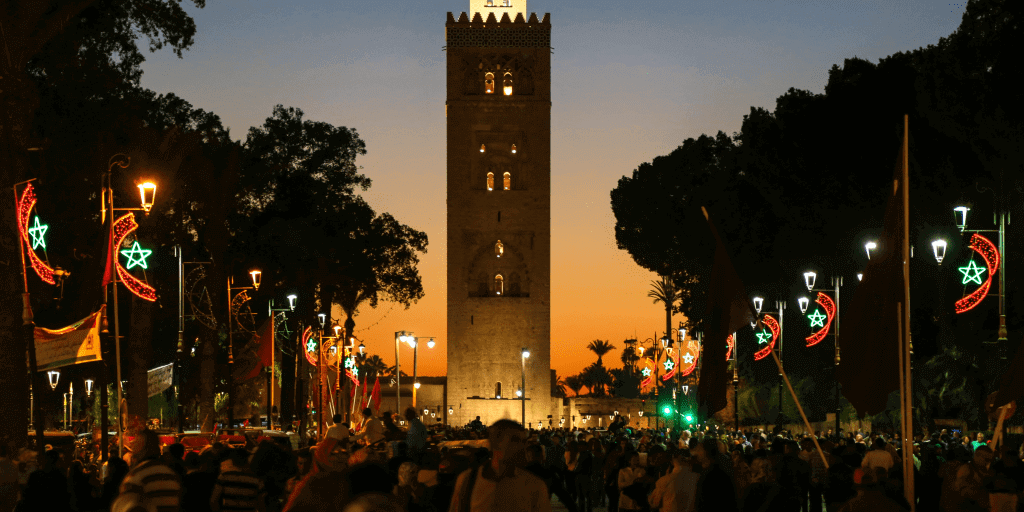
Not Every Hour Needs a Reservation
Some of the best time in Morocco is unstructured: sunset over Marrakech, a second glass of mint tea, an unexpected craft workshop or a rooftop where you decide to stay longer than planned.
Your First 24 Hours in Morocco
The first day often determines whether Morocco feels exciting or overwhelming. Keep it simple.
Check in, drink some water, connect to Wi-Fi and confirm the next morning’s plan before doing anything ambitious.
You do not need a huge amount. Enough for small purchases and the first day gives you breathing room.
Learn the immediate neighborhood first instead of trying to master the entire medina within an hour.
Start with a relaxed meal and let your senses adjust to the sounds, smells and pace around you.
Keep the name, phone number and map location accessible offline before wandering farther.
The medina will still be there tomorrow. A rested first full day is worth much more than a heroic first night.
Common Morocco Travel Mistakes
Most Morocco travel problems are not dramatic. They are small planning decisions that quietly make the trip more tiring than it needs to be.
You see more hotel receptions than Morocco. Give important places enough time.
Mountain roads and interesting stops make simple mileage calculations misleading.
Cards are useful, but small cash remains practical for many everyday transactions.
One proven walking pair beats several pairs that look better but hurt by lunchtime.
Negotiate with humor and perspective instead of fighting over every dirham.
Your itinerary should reflect your interests rather than somebody else’s checklist.
Leave time to sit, eat and experience places without always trying to capture them.
Jet lag plus a complicated schedule is an unnecessary introduction to the country.
7, 10 or 14 Days in Morocco?
Experience It Tours makes a useful point in its planning content: Morocco is larger and slower to move through than many first-time visitors imagine. The practical result is that trip length should determine the route—not the other way around.
Combine Marrakech with the Atlas and Essaouira, or choose a carefully paced city-and-desert route. Avoid trying to connect every major destination.
Ten days allows a stronger combination of an imperial city, southern landscapes, Sahara experience and several slower stops without every day becoming a race.
Two weeks gives enough time to combine northern or imperial cities, mountains, desert and Marrakech while keeping several two-night stays and more natural pacing.
See our Morocco itineraries → for examples that can be customized around your dates and interests.
Use Official Information for the Details That Can Change
Blogs are excellent for experience and context. Visa rules, currency information, transport infrastructure and other practical details should be checked against current official information before departure.
The Moroccan National Tourist Office maintains practical information on travel formalities, currency, communications, health, transport and everyday travel questions.
Moroccan National Tourist Office — Useful Travel Information →
Build Your Morocco Trip One Decision at a Time
Morocco Adventure Travel FAQ
What should I know before traveling to Morocco?
Plan a realistic route, allow enough travel time between regions, carry both a card and some Moroccan dirhams, bring comfortable walking shoes and check current passport and entry requirements before departure. A few flexible days and realistic expectations usually improve the trip considerably.
How many days do I need in Morocco?
Seven days can work for a focused route, while 10 to 14 days gives most first-time travelers a better balance between imperial cities, the Atlas Mountains, Sahara and other regions without rushing continuously.
Do I need a visa to visit Morocco?
Visa requirements depend on your nationality. Morocco’s National Tourist Office states that the maximum tourist trip is generally 90 days and provides official information about visas and electronic travel authorizations. Check the current rules for your nationality before departure.
What currency should I use in Morocco?
The official currency is the Moroccan dirham, abbreviated MAD or DH. Cards are accepted by many hotels and some restaurants and shops, but carrying some dirhams remains useful for smaller purchases, tips and local businesses.
Should I carry cash in Morocco?
Yes, carrying some cash is practical even if you primarily use cards. ATMs are widespread, so there is usually no reason to carry all of your spending money at once.
Do I need a guide in Marrakech or Fes?
You can explore independently, but a knowledgeable licensed local guide can add considerable historical and cultural context and make navigating complex medinas such as Fes easier.
What should I wear in Morocco?
Wear comfortable clothing suited to the weather and activity. Lightweight layers and some more-covered options are useful when moving between tourist areas, traditional neighborhoods, rural communities and cultural settings.
Can I bargain in Moroccan souks?
Yes, negotiation is common in many souks and artisan shops. Keep the conversation friendly, make a reasonable offer and walk away politely if you cannot agree on a price.
Is tipping common in Morocco?
Yes. Tipping is common for good service in restaurants and for services such as guides, drivers and porters. Amounts depend on the type and level of service, so keeping some smaller dirham notes is helpful.
Is Morocco easy to travel independently?
Many travelers visit Morocco independently using trains, buses, taxis and local guides. Others prefer a private tour for multi-region routes, the Sahara or when they want transportation and logistics organized in advance.
What should I pack for the Sahara?
Useful items include sun protection, sunglasses, a scarf, comfortable closed shoes, water, a power bank and layers for cooler evenings and early mornings.
Is Morocco worth visiting during Ramadan?
Yes. Ramadan can provide an interesting cultural experience. Daily opening hours and meal patterns may change, so check how the dates affect your specific itinerary and be considerate of people who are fasting.
Build Your Morocco Adventure Around the Way You Like to Travel
There is no single perfect Morocco itinerary. Altni Tours can design a private journey around your dates, interests and preferred pace—from imperial cities and artisan workshops to the Atlas Mountains, Atlantic coast and Sahara.
GET MY CUSTOM MOROCCO PLAN