Safe travel to Morocco starts with practical preparation, not fear. For most visitors, the everyday considerations are familiar: protect your belongings, plan transportation, understand local customs, keep important documents secure and use sensible judgment in unfamiliar places.
Morocco combines busy medinas, large cities, mountain roads, Atlantic towns and remote desert landscapes. That variety is part of what makes the country exciting, but it also means that the best approach to safe travel to Morocco changes slightly depending on where you are.
This guide brings together 15 practical Morocco safety tips for first-time and returning visitors, including medina navigation, transportation, money, women travelers, passports, food, remote areas and emergency information.
Safe Travel to Morocco: What Visitors Should Know
Morocco’s National Tourist Office describes Morocco as generally safe for visitors. That does not remove the need for normal travel awareness: busy tourist areas, unfamiliar transportation and crowded markets deserve the same sensible precautions you would use in other international destinations.
Safe Travel to Morocco: 60-Second Daily Checklist
15 Practical Tips for Safe Travel to Morocco
You do not need to spend your trip thinking about safety. A few consistent habits are usually enough to reduce avoidable problems while leaving you free to enjoy Morocco’s cities, food, landscapes and culture.
Keep Your Phone and Wallet Secure
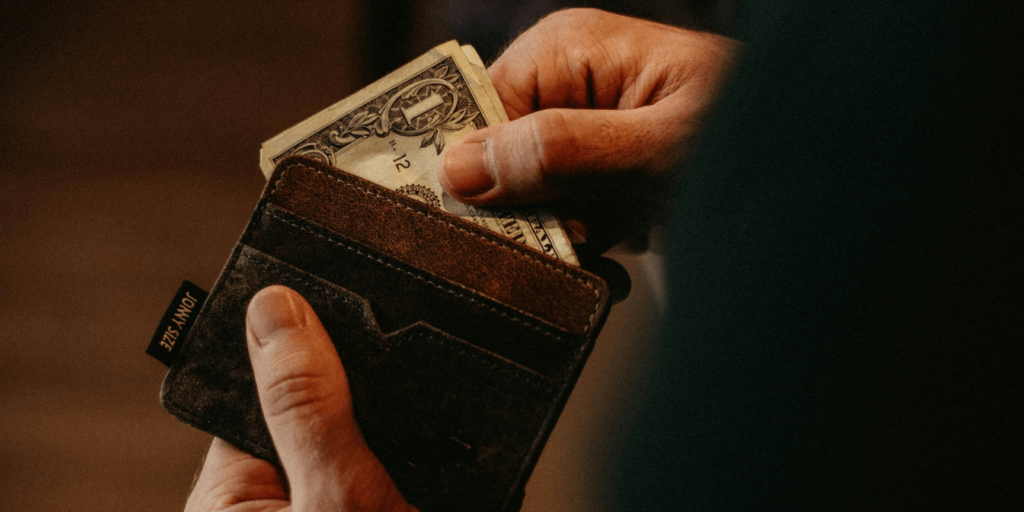
Crowded souks, public transport, stations and major squares naturally require more awareness of personal belongings. Keep your phone, wallet and cards inside a zipped bag or secure pocket rather than somewhere easily accessible.
Carry only the cash you expect to need during the day and avoid keeping every bank card, all your cash and your passport together in the same place.
Save Your Riad Location Before Exploring
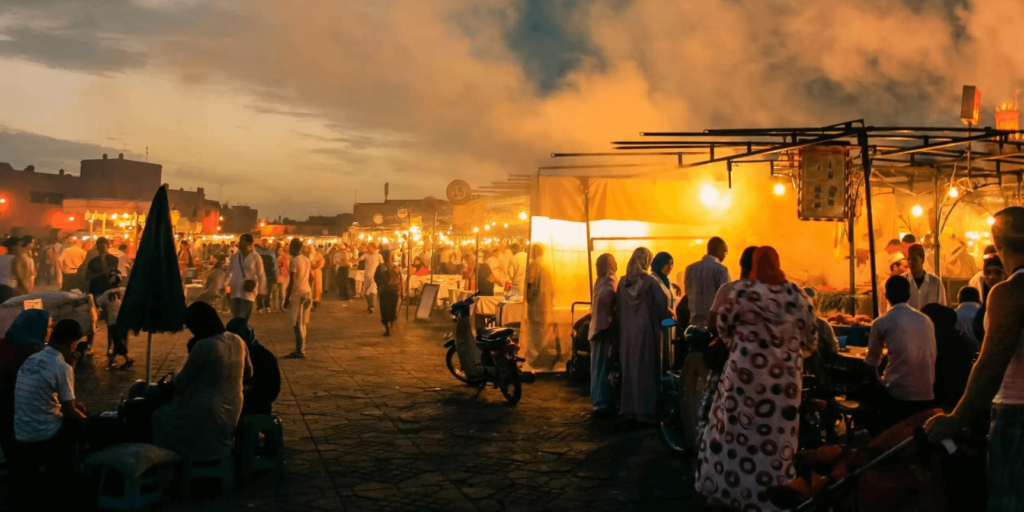
The medinas of Fes and Marrakech are fascinating precisely because their streets do not resemble a modern grid. Before leaving your accommodation, save its location, phone number and the nearest recognizable gate or landmark.
An offline map is particularly useful when mobile reception becomes unreliable inside narrow streets.
Prefer Busy, Well-Lit Routes at Night
Moroccan cities can remain lively well into the evening, but a busy square and a quiet residential lane are very different environments. When you do not know an area well, use populated routes and arrange reliable transportation when the walk back to your accommodation is long or confusing.
Your riad or hotel can usually tell you which local routes are most practical in the evening.
Know How to Decline Unwanted Assistance
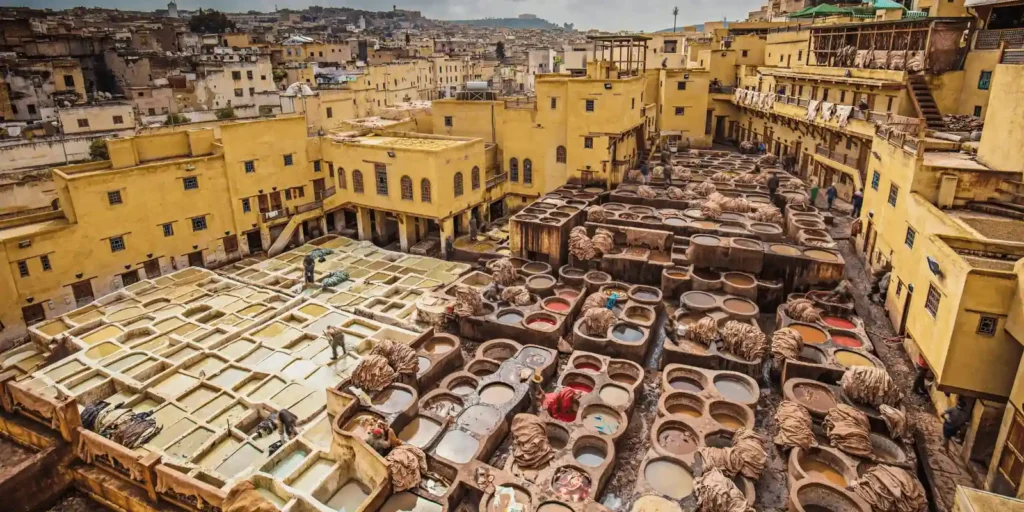
In busy visitor areas, someone may offer directions, tell you that a street is closed or volunteer to lead you toward a shop, tannery or attraction.
Some assistance is genuine, but unsolicited help can also end with pressure for payment. If you do not want the service, politely decline and continue with your own route.
Arrange Guides Intentionally
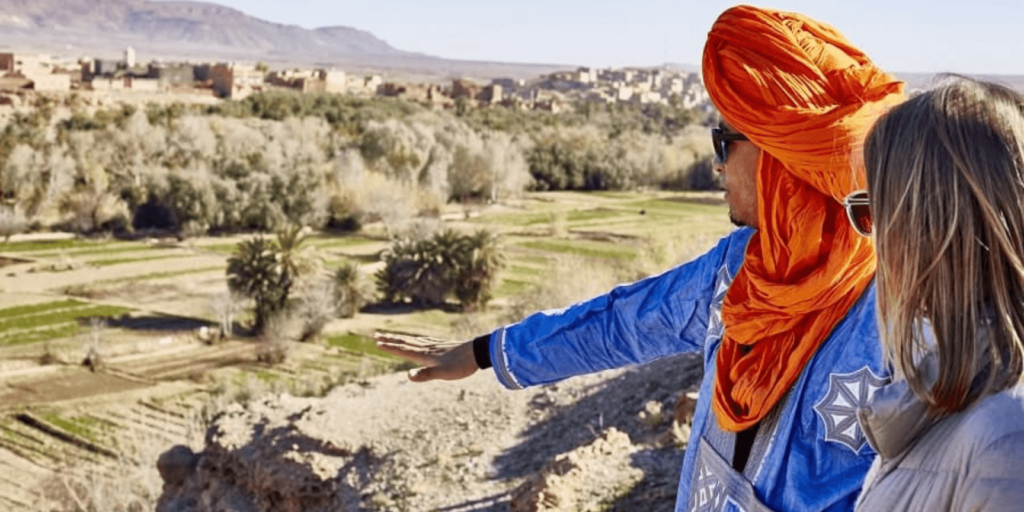
A knowledgeable local guide can add considerable value in Fes, Marrakech and other historic cities. Arrange the guide through your tour company, accommodation or another established provider rather than accepting an unexpected tour in the street.
Confirm the approximate duration and what the tour includes before you begin. This keeps expectations clear for both sides.
Common Situations During Safe Travel to Morocco
| Situation | Practical Response |
|---|---|
| Someone says your route is closed | Check your map or confirm with your accommodation before changing direction. |
| An unsolicited guide approaches you | Politely decline unless you intentionally want the service. |
| Taxi pricing is unclear | Confirm how the fare will be determined before leaving. |
| You become lost in the medina | Return toward a known landmark or contact your accommodation. |
| An ATM location feels uncomfortable | Use another machine at a bank or established commercial location. |
| A salesperson becomes persistent | End the interaction politely and continue walking. |
Use Established Transportation
Reliable transportation is one of the easiest ways to simplify safe travel to Morocco. Use registered taxis, established train and bus services, or transportation arranged through your accommodation or tour operator.
For longer routes, a private driver can also reduce the need to coordinate multiple connections while traveling with luggage.
Give Long Driving Days Enough Time
Travel times can be longer than they appear on a map, particularly when a route crosses mountain roads or includes stops along the way. Avoid building itineraries that repeatedly require very late arrivals after long driving days.
A realistic schedule is both more comfortable and easier to adjust if weather, traffic or road conditions change.
Protect Your Passport and Keep a Backup
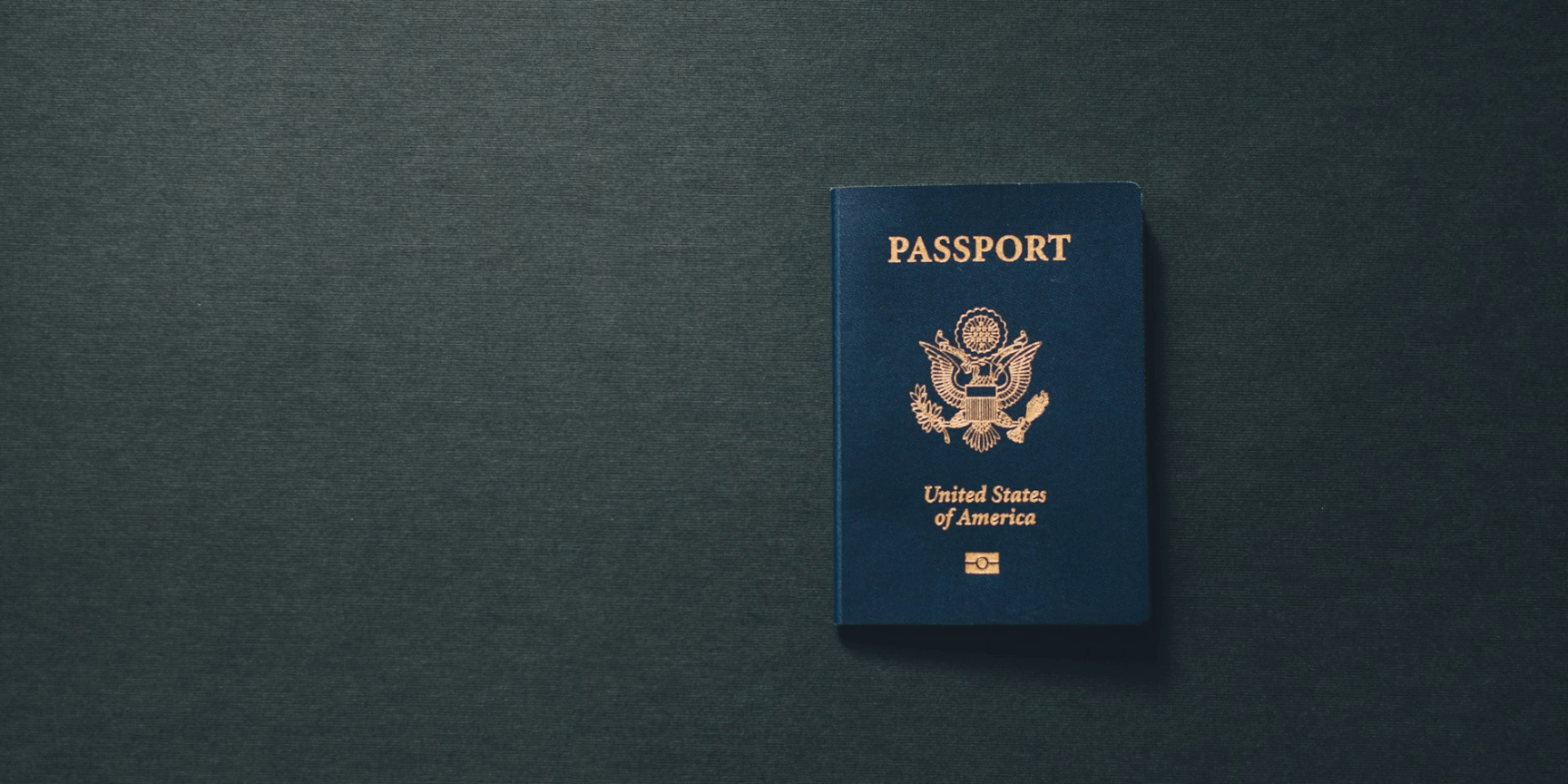
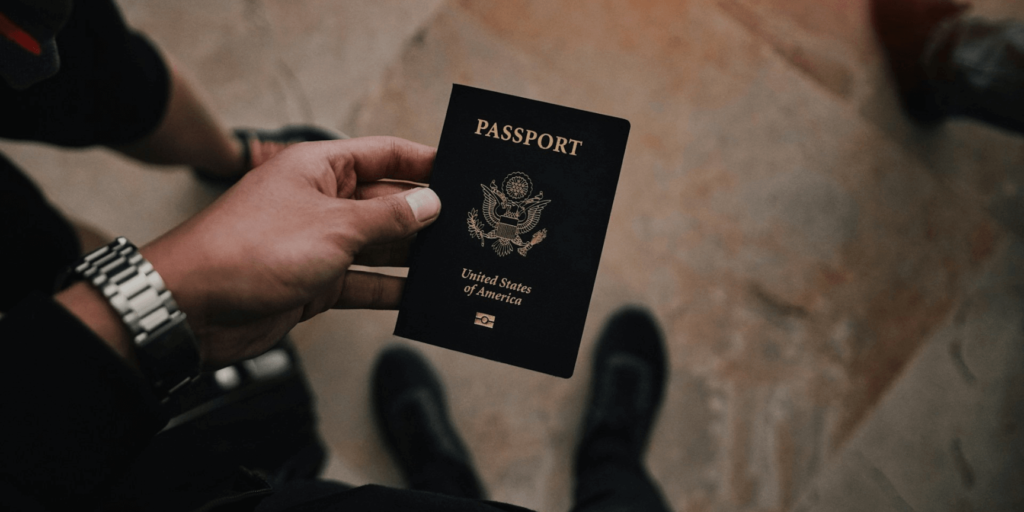
Keep a secure digital copy of your passport identification page and consider a separate paper copy. Store your original passport carefully when you do not need to have it immediately available.
Official Moroccan tourism information states that visitors need a passport valid for the duration of their stay. Visa requirements depend on nationality, so check the requirements that apply to your passport before departure.
Plan for Comfort and Confidence
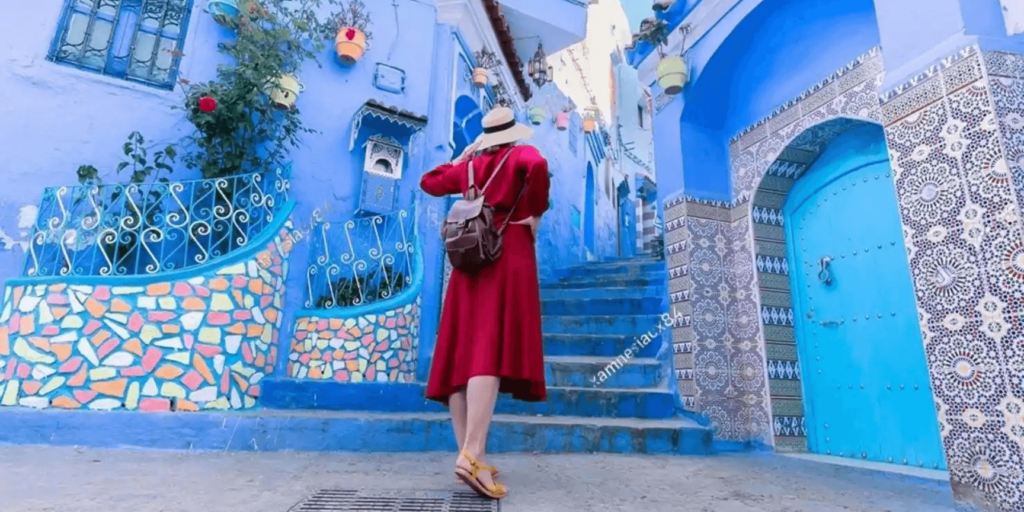
Women travel throughout Morocco independently, with friends and as part of organized trips. Some travelers may encounter staring, comments or persistent attention in busy visitor areas.
For comfortable and safe travel to Morocco, choose populated routes, arrange transportation when useful at night and end conversations that make you uncomfortable.
Many visitors also choose clothing that is relatively modest in traditional areas and cultural settings.
Read our Morocco guide for women travelers for more detail.
Carry Some Cash Without Carrying Everything
Cash remains useful for taxis, markets, tips and smaller purchases. Carry a practical amount for the day and keep backup money and another payment method separately.
When possible, use ATMs located at banks or established commercial locations and shield the keypad when entering your PIN.
Stay Connected and Download Offline Maps
A connected phone makes navigation, accommodation contact, translation and transportation much easier.
Download the relevant map area before traveling into mountains, desert regions or other places where mobile coverage may be less reliable.
Use Sensible Food and Water Habits
Official Moroccan tourism information recommends bottled water for visitors, along with washing hands before meals, washing and peeling produce and ensuring meat is properly cooked.
Stay hydrated during long sightseeing days, particularly in warmer regions and during desert travel.
Respect Local Customs
Respectful cultural awareness makes travel easier. Dress for the setting, be considerate around religious places and ask before photographing an individual at close range.
During Ramadan, meal times and business schedules can shift around sunset, so allow flexibility in your daily plans.
Prepare More Carefully for Remote Areas
The Sahara and Atlas Mountains require different planning from city sightseeing. Long distances, weather, limited services and unfamiliar routes make preparation more important.
For safe travel to Morocco beyond the main cities, use established accommodation and transport providers, carry enough water and make sure someone knows your planned route.
Leave Space for the Plan to Change
A strong Morocco itinerary has enough flexibility for traffic, weather, road conditions, changing opening hours or simple tiredness.
Good preparation makes safe travel to Morocco easier without turning your vacation into a rigid schedule.
Safe Travel to Morocco Emergency Card
Save useful numbers in your phone before traveling. Official Moroccan tourism information currently lists the following emergency contacts.
Before You Travel to Morocco
Travel conditions, entry requirements and health information can change. Before departure, review the current requirements that apply to your nationality and check official travel information.
The Moroccan National Tourist Office provides current information covering entry, transportation, money, health and emergency services.
Moroccan National Tourist Office — Useful Information →
For a broader overview of trip preparation, see our Planning a Trip to Morocco: 2027 Guide .
More Morocco Travel Guides
Safe Travel to Morocco FAQ
Is Morocco generally safe for tourists?
Morocco’s National Tourist Office describes Morocco as generally safe for visitors. Travelers should still use normal precautions, protect belongings and review current travel information before departure.
What are the most important Morocco safety tips?
Protect your valuables, use established transportation, keep your accommodation location saved, be cautious with unsolicited offers and prepare more carefully for remote areas such as the Sahara and Atlas Mountains.
Is it safe to walk through the medinas in Morocco?
Travelers explore Morocco’s medinas every day. Save your accommodation location, keep belongings secure in crowded areas and use populated, well-lit routes when walking at night.
How can I avoid tourist scams in Morocco?
Be cautious with unsolicited guides, directions and shopping assistance. Arrange services intentionally and politely decline offers you do not want.
Is Morocco safe for women travelers?
Many women travel throughout Morocco independently. Staying aware of surroundings, using reliable transportation when appropriate and favoring populated routes can make the trip more comfortable.
Should I carry my passport everywhere in Morocco?
Protect your original passport and keep a secure digital or paper copy available. Follow any identification requirements that apply to your particular circumstances.
Can tourists drink tap water in Morocco?
The Moroccan National Tourist Office recommends bottled water for visitors. Staying hydrated is especially important during warm weather and desert travel.
What are the emergency numbers in Morocco?
Current Moroccan tourism information lists 141 for medical emergencies and 19 for police, or 190 when calling police from a mobile phone.
Is the Sahara safe to visit?
The Sahara is a major Morocco travel experience, but remote travel requires more planning than city sightseeing. Use established providers, prepare for long distances and carry adequate water.
What is the best way to plan safe travel to Morocco?
Build a realistic itinerary, use reliable transportation, protect important documents and belongings, understand the places you plan to visit and leave enough flexibility to adapt when necessary.
Plan Your Morocco Journey With Local Support
Good planning makes safe travel to Morocco easier. Altni Tours can organize a private itinerary around your dates, preferred pace, transportation and the places you want to experience.
PLAN MY MOROCCO TRIP